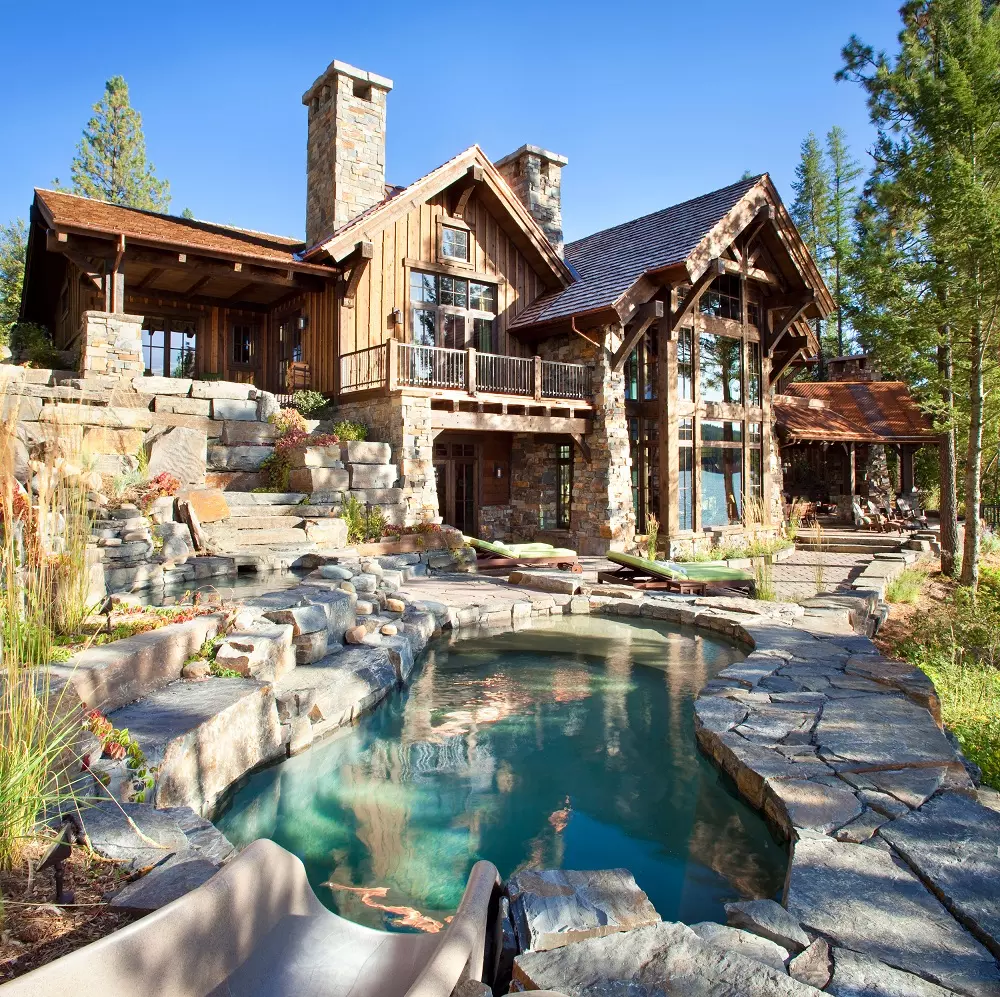
What to Know Before Hiring Montana Custom Homes Builders
Building a custom home in Montana is an exciting opportunity to create a living space that matches your lifestyle, personal preferences, and long-term needs.
From beautiful mountain views to peaceful lakeside properties, Montana offers a variety of locations for homeowners who want something beyond a traditional house. However, building a custom home requires careful planning, practical decisions, and a clear understanding of the construction process.
Unlike purchasing an existing property, custom home construction gives you greater control over your floor plan, materials, interior features, and overall design.
You can create a home with spacious living areas, energy-efficient features, and outdoor spaces that complement the surrounding landscape.
Understanding the important steps before construction begins can help you avoid unnecessary expenses and make better decisions throughout the project.
Working with experienced Montana Custom Homes Builders can make the process easier to understand and manage. Professional builders help homeowners evaluate properties, develop realistic construction plans, coordinate with architects, and select materials suited to local conditions.
Whether you are planning a mountain retreat, a modern family home, or a luxury lakeside residence, knowing what to expect is an important first step toward a successful project.
1. Understand Your Needs Before Designing a Custom Home
Every successful custom home project starts with a clear vision. Before meeting with a builder, take time to think about how you want your home to function.
Consider your family size, daily activities, storage requirements, and future plans. A growing family may need additional bedrooms and flexible living spaces, while homeowners planning for retirement may prefer a single-level layout with fewer stairs.
Think about which features will make everyday life more comfortable. These might include a spacious kitchen, a dedicated home office, large windows, or a covered outdoor seating area.
It is also helpful to separate essential features from optional upgrades. This allows you to prioritize your spending while keeping the design practical.
A home that looks attractive should also support your routine, offer convenient movement between rooms, and remain comfortable for years.
2. Choose the Right Location for Your Montana Home
Location is one of the most important decisions when building a custom home. Montana offers diverse landscapes, including mountain communities, wooded properties, and scenic waterfront areas.
Popular locations in Northwest Montana include Whitefish, Kalispell, Columbia Falls, and the Flathead Valley. Each area offers different opportunities depending on property availability, accessibility, and lifestyle preferences.
Before purchasing land, consider several practical factors:
- Road access: Check whether the property remains accessible during heavy snowfall.
- Utilities: Find out if electricity, water, septic systems, and internet services are available.
- Land conditions: Evaluate slopes, drainage, soil conditions, and potential excavation requirements.
- Local regulations: Review zoning requirements, building permits, and property restrictions.
- Sunlight and views: Consider how the position of the home can improve natural lighting and privacy.
A beautiful property is not always easy to build on. Working with a builder before purchasing land can help identify potential construction challenges and unexpected costs.
3. Design a Home That Works With Montana's Climate
Montana experiences cold winters, snowfall, and seasonal temperature changes. These conditions should influence the design of your custom home.
A well-planned house should balance attractive architecture with weather protection, indoor comfort, and energy efficiency.
Focus on Insulation and Energy Efficiency
Proper insulation helps maintain comfortable indoor temperatures and reduces unnecessary heating expenses. Homeowners should discuss insulation levels, air sealing, energy-efficient windows, and heating systems with their construction team.
The right combination of building materials and energy-saving features can improve comfort throughout the year.
Consider Roof Design and Snow Management
Roof design is particularly important in areas that experience significant snowfall. The roof structure must be designed for applicable snow loads, while drainage and snow-shedding areas should be carefully planned.
Experienced local professionals can recommend suitable roofing materials and structural solutions based on the specific building location.
Make the Most of Natural Light
Large windows can provide beautiful mountain views and bring natural light into the home. However, window placement should also account for heat loss, summer sunlight, and privacy.
Thoughtful planning can help homeowners enjoy scenic surroundings without sacrificing indoor comfort.
4. Plan Your Custom Home Budget Carefully
A realistic budget is essential for a successful building experience. Custom home expenses vary depending on property conditions, home size, architectural complexity, materials, and interior finishes.
When planning your budget, remember that the total project cost includes more than the construction of the house itself.
Additional expenses may include land preparation, architectural drawings, engineering services, permits, utility connections, landscaping, and site access improvements.
For example, a property with steep slopes or limited utility access may require additional excavation, drainage systems, or infrastructure improvements.
It is also wise to establish a contingency budget for unexpected expenses. Changes in material prices, design revisions, and unforeseen site conditions can affect the final construction cost.
Before signing an agreement, ask your builder for a detailed proposal explaining what is included, which allowances apply, and how additional costs will be handled.
5. Select Building Materials That Offer Long-Term Value
Choosing the right materials is about more than appearance. Quality construction materials can improve durability, simplify maintenance, and support long-term comfort.
Natural stone, timber accents, and large glass features are popular choices for Montana custom homes because they can complement the surrounding landscape.
However, every material should be evaluated for its performance, maintenance requirements, and suitability for the property.
For example, exterior finishes must be selected with local weather conditions in mind. Flooring materials should match household activity levels, while kitchen and bathroom surfaces should offer both durability and easy maintenance.
Homeowners should also consider long-term maintenance costs instead of focusing only on initial prices.
Investing in suitable materials during construction may help reduce the need for frequent repairs or replacements later.
6. Understand the Custom Home Building Process
Knowing how a custom home moves from an initial idea to completed construction makes it easier to prepare for each stage.
Most projects follow a structured process, although the exact sequence depends on the property and builder.
Initial Consultation and Property Evaluation
The process begins with discussions about your vision, budget, preferred location, and architectural style. Your builder may review the property to identify construction opportunities and limitations.
Architectural Planning and Design
Architects and designers develop layouts that match your requirements. During this stage, homeowners can review room sizes, exterior features, materials, and practical design details.
Engineering and Budget Finalization
Once the design is developed, engineering professionals review structural requirements. The builder can then prepare a more detailed construction proposal based on the plans and selected specifications.
Construction and Project Management
After necessary approvals are obtained, construction begins. This generally includes site preparation, foundations, framing, roofing, mechanical systems, interior finishes, and final inspections.
Regular communication helps homeowners stay informed about progress, decisions, and potential changes.
Final Walkthrough and Completion
Before moving in, homeowners should complete a final walkthrough to review finishes, systems, and any outstanding work that needs attention.
Understanding these stages can make the experience more organized and help reduce confusion.
7. Choose a Builder With Relevant Local Experience
Selecting the right construction company is one of the most important decisions in a custom home project.
An experienced builder should understand local building requirements, construction challenges, material options, and the coordination needed to complete a detailed project.
When comparing builders, review their previous work and ask questions about their project management approach.
Important questions include:
- Have you completed homes with a similar design or budget?
- How do you communicate construction updates?
- Who supervises the project on-site?
- How are design changes and additional expenses approved?
- What is included in the construction contract?
- How are warranty concerns handled after completion?
Reviewing completed projects can also help you understand a company's craftsmanship and design capabilities.
A reliable builder should be willing to explain the construction process clearly and help you make informed decisions.
8. Explore Custom Home Construction With Rocky Mountain Builders
For homeowners planning a luxury custom residence in Northwest Montana, Rocky Mountain Builders offers experience in residential construction and project management.
Based in Columbia Falls, Montana, the company works on custom homes designed around individual lifestyles and architectural preferences. Its residential portfolio includes mountain retreats, lakeside homes, rustic cabins, and modern residences.
The company emphasizes craftsmanship, detailed planning, and collaboration with architects and designers. Its construction approach also includes property evaluation, design coordination, project budgeting, and supervision throughout the building process.
Homeowners can explore different design possibilities, including handcrafted timberwork, natural stone features, modern glass elements, and personalized interior finishes.
Learning about the company's past projects and building approach can help prospective homeowners decide whether its experience aligns with their vision.
9. Avoid Common Mistakes When Building a Custom Home
Even a carefully planned construction project can face challenges. Understanding common mistakes can help you prepare.
One frequent mistake is choosing land without checking construction requirements. A property may look ideal but require expensive site preparation or utility improvements.
Another mistake is making major design changes after construction begins. Late adjustments can increase costs and affect the project schedule.
Some homeowners also focus heavily on visual features while overlooking storage, energy efficiency, and everyday convenience.
Communication is equally important. Establishing clear expectations with your builder can help prevent misunderstandings about materials, timelines, and project responsibilities.
Taking extra time during the planning stage can help create a smoother building experience.
10. Think About Your Future Needs
A custom home should be designed for more than your current lifestyle. It should also accommodate changes that may happen in the coming years.
Consider whether you might need additional working space, accessible living areas, guest accommodations, or expanded storage.
Flexible rooms can serve different purposes as your needs change. A home office might later become a guest bedroom, while an unfinished space could provide room for future improvements.
Choosing durable materials, convenient layouts, and efficient home systems can also support long-term property value.
The goal is to create a home that remains functional, comfortable, and enjoyable for many years.
Final Thoughts
Building a custom home in Montana requires thoughtful planning, a suitable property, reliable construction professionals, and careful material selection.
From understanding local weather conditions to preparing a realistic budget, each decision contributes to the success of the finished home.
Taking time to research your options helps you make confident choices and avoid common construction mistakes. Most importantly, your home should reflect your lifestyle while providing lasting comfort and practical value.
If you are considering a custom home in Northwest Montana, Rocky Mountain Builders can help you explore your ideas and understand the construction process.