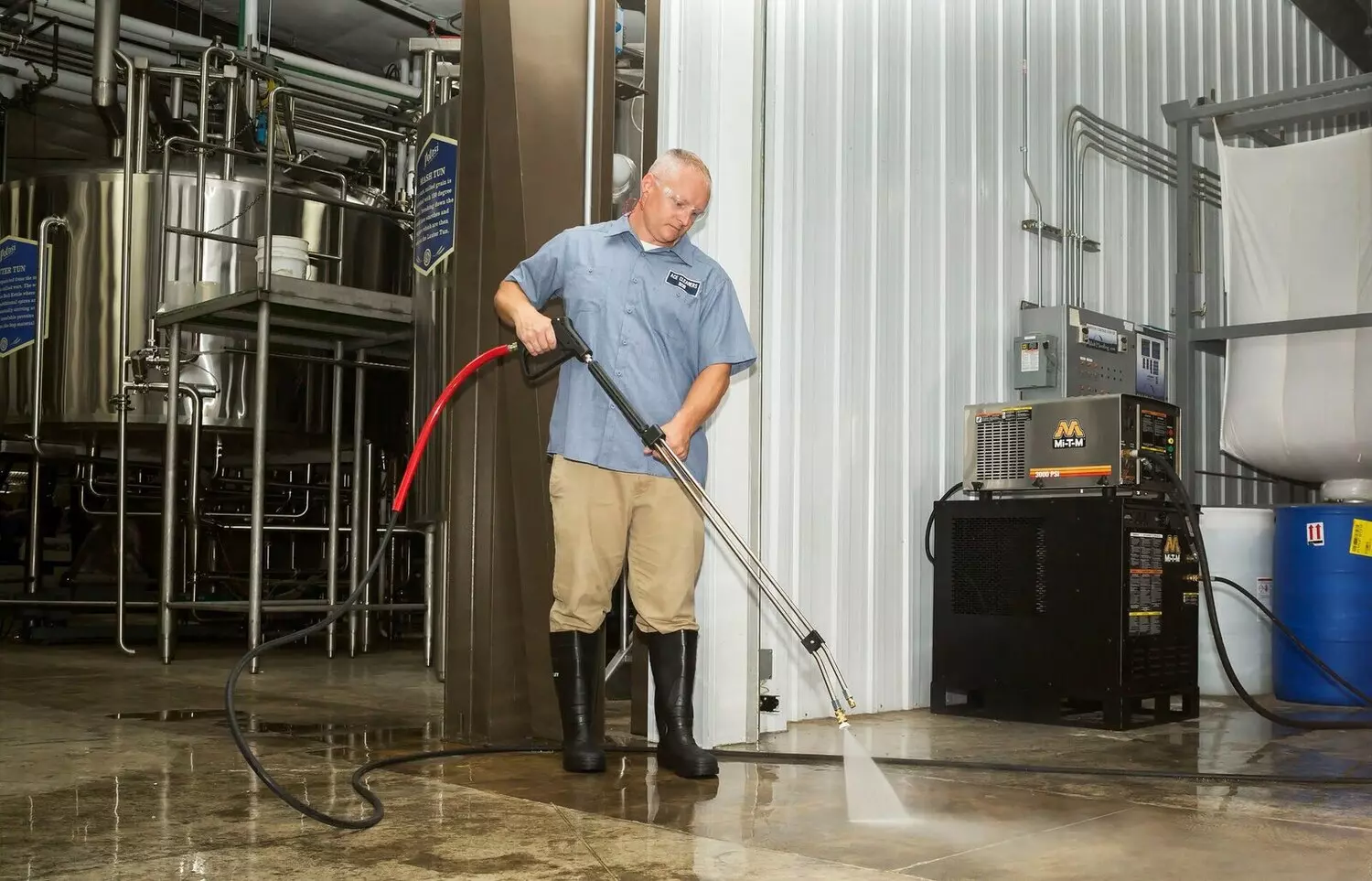
What to Consider When Choosing a Pressure Washer for Regular Commercial Use
Commercial cleaning places different demands on pressure-washing equipment than occasional residential use.
A machine may need to clean concrete, vehicles, equipment, exterior surfaces, work areas, or other heavily used spaces several times each week. Because of this, buyers need to look beyond basic pressure ratings and consider how the machine will perform during repeated use.
Businesses comparing professional equipment often look at established options such as a Karcher pressure washer when evaluating machines for regular cleaning work.
Brand reputation can help narrow the search, but the right machine still depends on the surface being cleaned, available power, required water flow, portability, and the number of hours the equipment is expected to operate.
A pressure washer used occasionally may only need to handle short cleaning sessions. Commercial equipment can face longer operating periods, larger surface areas, and more demanding dirt.
Choosing a machine without considering these conditions can lead to slower cleaning, unnecessary downtime, or equipment that does not fit the working environment.
Start With the Actual Cleaning Job
The best pressure washer is not necessarily the model with the highest PSI. Before comparing specifications, businesses should first identify what the machine will clean most often.
Washing concrete around a warehouse creates different requirements from cleaning vehicles, machinery, building exteriors, or service areas.
Some applications involve loose mud and general dirt, while others include grease, compacted grime, or residue that has been exposed to weather for long periods. The type of contamination affects the amount of pressure, water flow, heat, and cleaning time that may be required.
For jobs where engine-powered mobility is important, a Honda pressure washer may fit applications where operators need strong performance without depending on nearby electrical connections.
Engine type is only one part of the decision, but it can have a major effect on where and how the machine can be used.
Understanding the job first also helps prevent overbuying. A facility that needs moderate pressure for routine cleaning may not benefit from equipment designed for much heavier industrial use.
At the same time, choosing an underpowered machine for demanding daily work can increase the number of passes required and make routine maintenance take longer.
PSI Is Only One Part of Performance
Pressure ratings receive a lot of attention because PSI provides an easy number for comparing machines. Higher PSI means the water is delivered with greater force, which can help remove stubborn material from durable surfaces.
However, pressure does not tell the complete story. Water flow, usually measured in gallons per minute, affects how quickly loosened dirt can be carried away. A machine may produce strong pressure but still take more time to clean a large surface if the water flow is limited.
Commercial users should consider PSI and GPM together. A suitable balance can make cleaning more efficient because the pressure loosens contamination while the water volume helps rinse it away.
The required balance depends on the application. A smaller cleaning area may not need the same flow rate as a large warehouse floor, fleet-washing operation, or commercial exterior.
Comparing complete machine specifications is therefore more useful than focusing on one performance number.
Power Source Changes Where the Machine Can Work
Pressure washers can be powered in different ways, and the choice affects portability, operating environment, and daily convenience.
Electric machines can work well where suitable power is readily available and operators need equipment for fixed or indoor locations.
Engine-powered units offer greater independence from electrical outlets. This can be useful on outdoor job sites, construction areas, large properties, or locations where the machine needs to move between several cleaning zones.
The working environment should influence this decision. Fuel-powered equipment requires consideration of exhaust, ventilation, fuel storage, and noise. These factors are especially important when cleaning takes place near enclosed or occupied areas.
Electric equipment creates different practical considerations. Operators need appropriate electrical service and must manage power cords along with water hoses.
For businesses working from one fixed cleaning area, this may be easy to manage, while mobile cleaning operations may place greater value on fuel-powered portability.
Match the Machine to the Surface
Pressure washing can remove stubborn dirt efficiently, but excessive pressure can damage certain surfaces.
Concrete and heavy industrial equipment may tolerate strong cleaning force, while painted surfaces, siding, vehicle components, and coated materials may require a more controlled approach.
Nozzle selection is important because different spray patterns concentrate water differently. A narrow spray can deliver greater force to a small area, while a wider pattern spreads the pressure across a larger surface.
Spray distance also changes cleaning intensity. Holding the nozzle too close may damage a sensitive surface, while working too far away can reduce cleaning effectiveness and increase the time needed to finish the job.
Operators should understand the materials being cleaned before choosing pressure settings or nozzles. Testing a small area can be useful when working with an unfamiliar surface, particularly if paint, coatings, seals, or decorative finishes are present.
Read: Pressure Washer Equipment in Massachusetts
Consider How Often the Machine Will Be Used
Frequency of use should influence equipment selection because commercial machines may operate far more often than equipment purchased for occasional cleaning.
A pressure washer used several times a week needs components that can handle repeated operating cycles. Pumps, hoses, fittings, spray guns, and engines or motors all experience wear as operating hours increase.
For businesses that rely on pressure washing as part of routine maintenance, equipment reliability can be just as important as cleaning power.
Unexpected downtime may delay facility cleaning, vehicle preparation, equipment maintenance, or customer work.
It is therefore useful to think about anticipated operating hours rather than simply the number of cleaning tasks. A machine that runs for several hours per session has different demands from one used for short jobs a few times each month.
Commercial buyers should also consider whether replacement components and service support are readily available. A powerful machine provides limited value if a minor worn component keeps it out of service for an extended period.
Portability Can Affect Daily Productivity
Pressure washers may look relatively easy to move, but portability becomes more important when operators need to cover large properties or move between different work areas.
Machine weight, wheel size, frame design, hose length, and overall dimensions can all influence how easy the equipment is to transport.
A unit that performs well in one fixed location may become inconvenient if it must frequently be moved across rough ground or loaded into a vehicle.
Hose length can reduce the amount of equipment movement required. If operators can reach a larger cleaning area without repositioning the machine, they may be able to work more efficiently.
However, hose management also matters. Long hoses must be stored correctly and inspected for wear, especially when they are regularly dragged across concrete or other abrasive surfaces.
For mobile contractors, transportation requirements deserve additional attention. The machine should fit safely within the available vehicle or trailer space while leaving room for hoses, spray guns, detergents, and other accessories used during the job.
Accessories Can Change How the Machine Performs
The pressure washer itself is only one part of a complete cleaning setup. Nozzles, hoses, spray guns, wands, surface cleaners, and other accessories can influence both productivity and the types of jobs the machine can handle.
Different nozzles allow operators to adjust the spray pattern for specific surfaces. A wider pattern may suit general rinsing, while more concentrated spray can help address stubborn contamination on durable materials.
Wand length can also affect operator comfort and reach. Cleaning higher surfaces or working around machinery may become easier when the operator can maintain a practical working position instead of repeatedly bending or stretching.
Hoses should be selected according to the machine's pressure rating and working conditions. Commercial environments can be hard on hoses because they are frequently moved across floors, pavement, and equipment.
Choosing compatible accessories at the same time as the machine can prevent situations where a pressure washer has enough cleaning capacity but the surrounding setup makes daily work less efficient.
Maintenance Should Be Part of the Buying Decision
Regular pressure washer maintenance can help preserve cleaning performance and reduce unexpected problems.
Pumps, engines, motors, hoses, filters, nozzles, fittings, and spray guns should all be inspected according to the equipment manufacturer's recommendations.
Small issues can gradually affect performance. A partially blocked nozzle may change the spray pattern, while worn fittings can develop leaks that reduce efficiency. Damaged hoses can create safety concerns and should not be ignored simply because the machine still produces pressure.
Engine-powered machines have additional maintenance requirements related to fuel systems, oil, filters, and other engine components. Electric equipment eliminates some of these tasks but still requires attention to electrical components, pumps, hoses, and connections.
Businesses comparing commercial pressure-washing equipment can work with suppliers such as Pressure King when evaluating machines and related components.
Regardless of where equipment is purchased, maintenance planning should begin before the machine enters regular service rather than after performance starts to decline.
Think About the Total Cleaning Process
A good pressure washer can improve cleaning efficiency, but equipment selection should be based on the complete workflow.
Water supply, drainage, detergents, operator access, cleaning frequency, and wastewater management can all influence how smoothly the job is completed.
Water availability is particularly important because pressure washers depend on a reliable supply. A machine with a high flow rate cannot perform properly if the available water source cannot keep up with its requirements.
Detergents may also be needed for certain jobs. Pressure alone can remove many forms of dirt, but grease, oils, and other stubborn contaminants may respond better when an appropriate cleaning solution is used as part of the process.
Businesses should also think about when cleaning will take place. A machine used during normal operating hours may need to meet different noise or mobility requirements than equipment used after a facility has closed.
Considering the entire process makes it easier to choose equipment that works well in practice rather than simply looking impressive on a specification sheet.
Final Thoughts
Choosing a pressure washer for regular commercial use requires more than comparing the highest pressure ratings. The machine needs to match the actual cleaning jobs, working environment, surface types, available utilities, and expected operating schedule.
PSI and water flow should be considered together, while power source, portability, accessories, and maintenance requirements can all affect daily performance.
Businesses that clean large areas or use equipment frequently should also consider serviceability and how easily worn components can be replaced.
A well-matched machine can make routine cleaning more efficient and reduce the need for repeated passes or unnecessary equipment changes.
By evaluating how and where the pressure washer will actually be used, commercial buyers can select equipment that fits their cleaning requirements instead of choosing based on specifications alone.