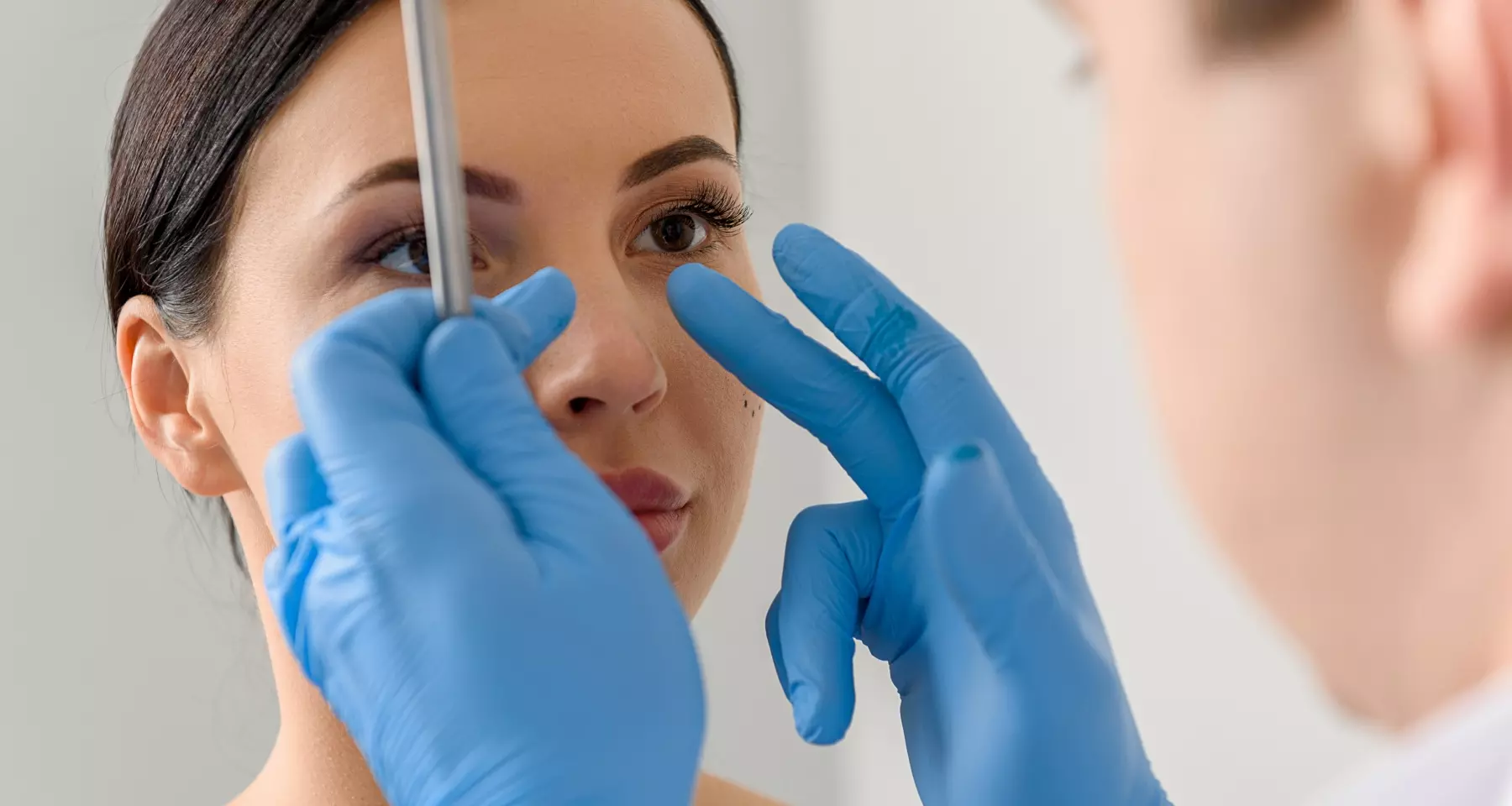
What to Ask During Your Rhinoplasty Consultation in Islamabad
Rhinoplasty is one of the most delicate and personalized cosmetic surgeries available, with results that can significantly influence both facial harmony and self-confidence. If you're considering Rhinoplasty in Islamabad, it’s crucial to approach the initial consultation with the right questions. The consultation is your opportunity to clarify expectations, evaluate the surgeon’s expertise, and fully understand the procedure.
Islamabad, being home to many top-tier cosmetic clinics and board-certified surgeons, offers a range of advanced rhinoplasty options tailored to individual aesthetic goals and functional needs. However, no matter how skilled the surgeon or modern the clinic, the success of your rhinoplasty journey starts with the consultation.
This comprehensive guide will walk you through what to ask, what to expect, and how to confidently navigate your rhinoplasty consultation in Islamabad.
Why the Consultation Matters
A rhinoplasty consultation is not just a formality—it's the cornerstone of your surgical planning process. This session allows:
- Assessment of nasal structure and facial proportions
- Evaluation of your aesthetic and functional concerns
- Clear communication of expectations
- Mutual trust-building with your surgeon
You’ll walk away with more clarity, a sense of your surgeon's approach, and possibly even a visual simulation of your post-op results.
1. Is the Surgeon Board Certified?
Start with credentials. It’s vital to know whether your surgeon is board-certified in plastic or facial cosmetic surgery.
Why Ask:
Certification by a recognized board assures that the surgeon has undergone rigorous training, follows safety protocols, and stays updated with the latest surgical advancements.
Follow-up Questions:
- Where did you receive your surgical training?
- How many rhinoplasty procedures do you perform annually?
2. What Types of Rhinoplasty Do You Perform?
Not all noses or goals are the same. Whether you're pursuing aesthetic improvements, correcting breathing issues, or undergoing a revision, you’ll need to know your surgeon’s area of focus.
Options May Include:
- Cosmetic rhinoplasty
- Functional rhinoplasty (for breathing improvement)
- Revision rhinoplasty
- Ethnic rhinoplasty
- Non-surgical rhinoplasty (liquid fillers)
Why Ask:
Different goals require different approaches. You need a surgeon whose expertise aligns with your specific needs.
3. Can You Show Me Before-and-After Photos?
Visual evidence of a surgeon’s work can provide reassurance of their capabilities and aesthetic sense.
What to Look For:
- Cases similar to yours
- Natural-looking results
- Balanced facial features
Tip: Ask to see examples of patients with similar ethnic backgrounds or nasal shapes.
4. What Technique Will You Use: Open or Closed Rhinoplasty?
There are two main surgical approaches:
- Open Rhinoplasty: Small incision at the base of the nose
- Closed Rhinoplasty: All incisions made inside the nostrils
Why Ask:
Each technique has pros and cons. Open rhinoplasty allows better visibility but may involve more swelling. Closed rhinoplasty offers quicker healing with limited access.
Discuss:
Why does the surgeon prefer one over the other in your case?
5. What Results Can I Realistically Expect?
It’s important that your surgeon helps you set realistic expectations based on your nasal structure, skin thickness, and facial anatomy.
Helpful Tools:
Many Islamabad clinics offer 3D simulation software, which gives you a preview of the potential results.
Why Ask:
Unrealistic expectations can lead to disappointment. Make sure you're on the same page regarding what’s achievable.
6. How Do You Handle Functional Concerns?
Many patients undergo rhinoplasty to correct issues like deviated septum, breathing difficulty, or nasal valve collapse.
Ask:
- Will the procedure improve my breathing?
- Do I need functional correction along with cosmetic changes?
Why Ask:
Even if you're primarily seeking aesthetic changes, nasal function should never be compromised. Skilled surgeons can combine both functional and cosmetic techniques.
7. What Are the Risks and Potential Complications?
Every surgery carries some risk. Your surgeon should be transparent about:
- Bleeding
- Infection
- Swelling or bruising
- Asymmetry
- Breathing issues post-surgery
Why Ask:
Understanding possible complications prepares you mentally and financially for all outcomes—even rare ones.
8. What Is the Recovery Timeline?
Recovery expectations can vary, but most patients want to know:
- When can I return to work?
- When will the bruising subside?
- How long before I see final results?
Typical Timeline in Islamabad:
- Week 1: Splint removal, mild swelling
- Week 2–4: Bruising fades
- 3–6 months: 80% visible results
- 12 months: Final shape revealed
Why Ask:
Knowing the timeline helps you plan your life—especially if you have travel, work, or social obligations.
9. What Is the Total Cost of the Procedure?
Inquire about total pricing, not just the surgical fee. Costs can include:
- Surgeon’s fee
- Anesthesia
- Facility charges
- Follow-up appointments
- Medications
- Revision surgery policies
Why Ask:
Transparent financial planning avoids unpleasant surprises and ensures you’re comparing full packages across clinics.
10. What Is Your Revision Policy?
Even under ideal circumstances, some patients may need a touch-up or revision.
Ask:
- How often do you perform revisions?
- Is there an additional cost?
- What’s the waiting period for a revision?
Why Ask:
Knowing this builds trust and demonstrates the clinic’s commitment to long-term satisfaction.
11. Will I Need Grafts? If So, From Where?
Some rhinoplasty procedures, especially reconstructive or revision cases, may require cartilage grafting.
Common Graft Sources:
- Septum (in-nose)
- Ear (conchal cartilage)
- Rib cartilage (rare, for major revisions)
Why Ask:
Grafts can affect healing time and scarring. You deserve to know what’s going into your body and why.
12. Who Will Be Involved in My Surgery?
In some clinics, especially teaching hospitals, junior staff or assistants may be involved.
Ask:
- Will you personally perform my surgery?
- Will assistants or trainees be present?
Why Ask:
You’re paying for the expertise of a specific surgeon—ensure you’re getting it.
13. How Should I Prepare Before Surgery?
Good outcomes start before surgery. Ask for a pre-op checklist.
Usual Guidelines:
- Stop smoking (if applicable)
- Avoid certain medications
- Arrange time off work
- Prepare a recovery space at home
Why Ask:
Proper preparation reduces risks and speeds up recovery.
14. What Post-Operative Care Is Provided?
Rhinoplasty recovery requires follow-up care. Clarify what’s included.
Ask About:
- Follow-up appointments
- Aftercare kits or medications
- Emergency support
- Bruise and scar management treatments
Why Ask:
Post-op care significantly affects results and comfort during recovery.
15. Can I Speak to Past Patients?
Some surgeons will connect you with previous patients or share testimonials.
Why Ask:
First-hand feedback builds trust and provides insight into what the entire experience is like—from consultation to recovery.
Conclusion: Be Your Own Best Advocate
Your consultation for Rhinoplasty in Islamabad is a valuable opportunity to shape your surgical journey. By asking smart, informed questions, you empower yourself to make the right choices for your health, appearance, and peace of mind.
Remember, an experienced, ethical surgeon will always welcome these questions and provide transparent answers. Take notes, reflect on your consultation, and only move forward when you're confident and comfortable.
With the right preparation and the right professional, rhinoplasty in Islamabad can offer life-enhancing results that go beyond the nose—boosting your confidence, symmetry, and personal style.