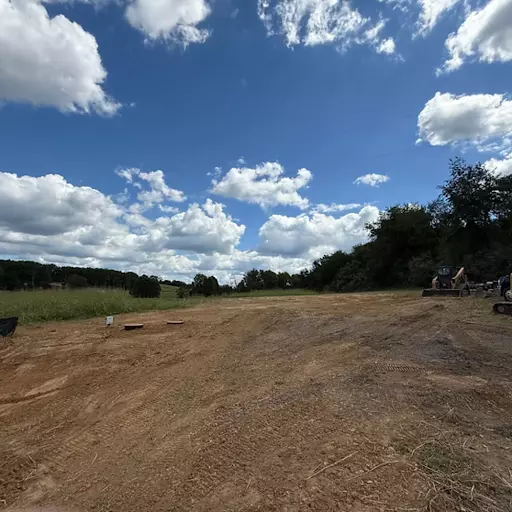
What People Get Wrong About Hiring Local Excavation Contractors and Why It Costs More Later
You don’t really think about dirt work until something goes sideways. That’s usually how it goes. A driveway starts sinking, water sits where it shouldn’t, or the backyard turns into a swamp after one decent rain.
Somewhere in that mess, people start Googling local excavation contractors, trying to fix what probably should’ve been handled right the first time.
And yeah, let’s be real, most folks don’t know what to look for. They assume all excavation work is the same. A guy with a machine, some digging, done.
But it’s not that simple. Not even close. The short answer is—cut corners here, and you’ll pay for it twice.
Why Excavation Isn’t Just “Moving Dirt”
There’s this idea that excavation is just digging holes and pushing soil around. Sounds simple, right? It’s not. Good excavation is about planning. Grading, drainage, soil type, slope—all that stuff matters more than people think.
Truth is, a bad excavation job doesn’t always fail right away. It waits. A few months, maybe a year. Then suddenly you’ve got water pooling near your foundation or a driveway that looks like waves in the ocean. That’s when the “cheap job” gets expensive.
A solid contractor looks at the land first. Not just the surface. What’s underneath, how water flows, where it needs to go. That’s the difference between something that lasts and something that just looks okay for now.
The Hidden Cost of Hiring the Cheapest Option
Everyone wants to save money. Nothing wrong with that. But going with the lowest bid? That’s where things start to go off track.
Cheap work usually skips steps.
Proper grading gets rushed. Compaction isn’t done right. Drainage planning—if it even happens—is basic at best. And those are the things you don’t see, but they matter the most.
I’ve seen jobs where people had to redo everything. Rip it out. Start over. Double the cost, double the headache. All because the first guy cut corners to win the job.
It’s not about paying the most either. It’s about paying for someone who actually knows what they’re doing.
Drainage Problems Start Here (and Spread Fast)
Water is the biggest problem most properties deal with. And it usually ties back to poor excavation work.
If grading isn’t done right, water has nowhere to go. It just sits.
Or worse, it flows toward your house. That’s when you start dealing with foundation issues, erosion, even mold if things get bad enough.
This is where experience shows up. A good crew thinks about drainage before they even start digging. They’re already planning slopes, runoff paths, maybe even tying into septic installation repairs Winchester VA situations if the system is affected.
Because yeah, one bad move with grading can mess with your septic system too. People don’t always connect those dots but they should.
Equipment Matters But Not How You Think
Bigger machines don’t automatically mean better work. That’s another misconception. Sure, equipment matters. You need the right tools. But knowing how to use them? That’s the real thing.
I’ve seen operators with top-tier equipment do sloppy work. And I’ve seen smaller crews do precise, clean jobs because they actually understand what they’re doing.
It comes down to control. Attention to detail. Not rushing through just to move on to the next job.
Site Prep Is Where Everything Begins
Before anything gets built—house, driveway, septic system—the site has to be right. No shortcuts here.
Clearing, grading, leveling, soil compaction… all of it sets the foundation for what comes next. Mess that up, and everything built on top of it suffers.
And honestly, this is where local excavation contractors either prove themselves or don’t. Because site prep isn’t flashy. It’s not something homeowners always notice right away. But it’s everything.
A rushed prep job leads to cracks, shifting, drainage issues. A solid one? You don’t even think about it later. It just works.
Communication (Yeah, It Actually Matters Here)
- You’d be surprised how many problems come from simple miscommunication. Or no communication at all.
- Good contractors explain what they’re doing. Not in some overly technical way—but enough so you get it. They’ll tell you why grading needs to go a certain direction, why drainage matters, why something might cost a bit more upfront.
- The bad ones? They just nod, say “yeah we’ll handle it,” and move on. Until something goes wrong.
- It’s not about talking more. It’s about being clear. Honest. Straight up.
When Excavation Connects to Bigger Systems
- Here’s something people overlook—excavation isn’t isolated work. It connects to everything else on your property.
- Driveways, foundations, drainage systems, and yeah, septic systems too. If excavation isn’t done properly, it throws everything else off.
- That’s why you see overlap with jobs like septic installation repairs Winchester VA. A failing septic system sometimes isn’t just about the tank—it’s about the grading, the soil, the way water moves through the property.
- Fixing that kind of issue means going back to the excavation work and doing it right.
Read: The Risks of Hiring Non-Professional Pool Builders and How to
What to Actually Look For in a Contractor
- Not gonna give you a perfect checklist. Those never really help in real life. But here’s the gist.
- Look for someone who asks questions about your property. Someone who takes time to assess things instead of throwing out a quick price. Someone who talks about drainage without you bringing it up first.
- And yeah, experience matters. You can usually tell within a few minutes if someone knows their stuff or is just winging it.
- Also—pay attention to how they explain things. If it sounds too polished, too perfect… sometimes that’s a red flag. Real pros keep it simple. Straightforward.
Conclusion: Do It Right Once, Or Pay For It Later
- At the end of the day, excavation work is one of those things you don’t want to gamble on. It’s not visible like a kitchen remodel or new flooring, but it’s more important than both.
- Getting the right local excavation contractors means fewer problems later. Better drainage. Stronger foundations. Systems that actually work the way they should.
- The truth is, most issues people deal with down the line? They started at the ground level. Literally.
- So yeah, take your time. Ask questions. Don’t rush into the cheapest option just to get it done. Because once it’s in the ground, fixing it isn’t quick—or cheap.
- And nobody wants to dig everything up twice.