What Makes Handmade Jewellery More Valuable Than Mass-Produced Pieces?
When you hold a piece of jewellery in your hands, you're not just looking at metal and stones. You're experiencing a story, a craft, and often years of refined skill.
The debate between handmade and mass-produced jewellery continues to spark interest among buyers who want to understand where their money truly goes.
The Human Touch That Machines Cannot Replicate
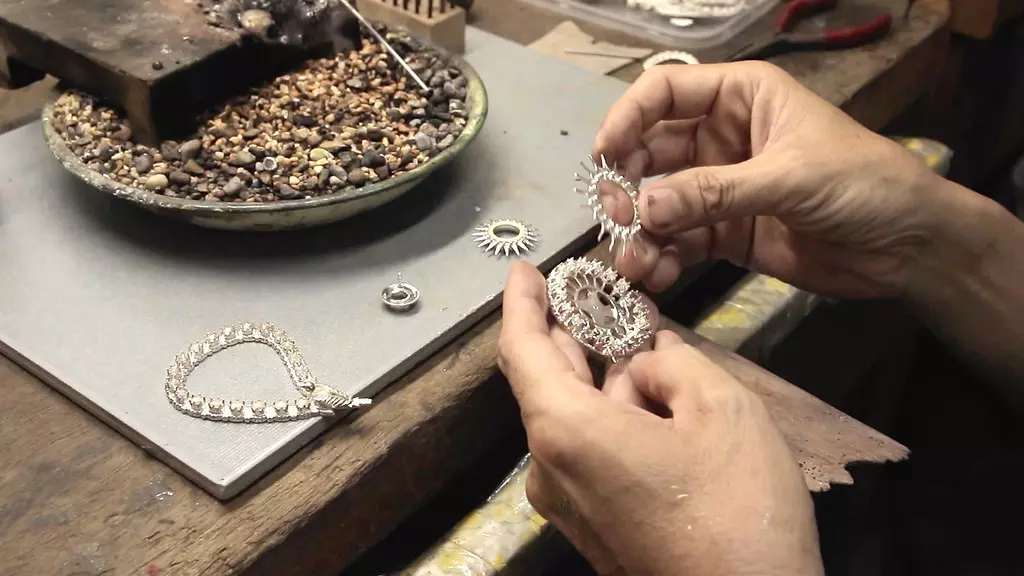
Every piece of handmade jewellery begins with an artisan's vision and skilled hands. Unlike automated production lines that stamp out identical pieces by the thousands, craftspeople spend hours shaping, forming, and perfecting each item individually.
This human involvement means no two pieces are exactly alike, even when following the same design.
The artisan must make countless small decisions during creation. How much pressure to apply when forming a curve, where to place a stone for optimal light reflection, or how to bring out the natural beauty of the materials.
These intuitive choices, honed through years of experience, add character and uniqueness that machines simply cannot achieve.
Superior Quality and Attention to Detail
Mass production prioritizes speed and cost efficiency. Factory-made pieces often use thinner metals, lower-grade materials, and simplified construction methods to maximize profit margins. The result might look appealing initially, but the quality differences become apparent over time.
Handmade jewellery typically features higher-quality materials and superior construction techniques. Artisans can spend time ensuring every solder joint is perfect, every stone setting is secure, and every surface is properly finished.
They're not racing against production quotas or trying to minimize material costs to the same degree as large manufacturers.
The finishing touches on handcrafted pieces reveal this attention to detail. Hand-polishing creates a different luster than mechanical buffing. Hand-engraving has depth and variation that laser engraving lacks.
These subtle differences contribute to pieces that feel more substantial and luxurious.
Customization and Personal Connection
One of the most significant advantages of handmade jewellery is the possibility for customization. When working with an artisan, you can often request modifications to suit your preferences, body type, or personal style.
Want a slightly wider band? Prefer a different stone arrangement? These adjustments are typically possible with handcrafted pieces.
This personal interaction creates a connection between maker and wearer. Many people treasure knowing who created their jewellery and understanding the process behind it.
Some artisans even document the creation process, providing photos or stories that become part of the piece's narrative.
Mass-produced jewellery offers no such relationship. You're buying an anonymous product created in an unknown facility, identical to thousands of others.
Durability and Longevity
Quality construction translates directly to longevity. Handmade jewellery often lasts significantly longer than mass-produced alternatives because of superior materials and construction methods.
Artisans typically use traditional techniques developed over centuries specifically because they create durable results.
Consider something as simple as a ring band. A handcrafted ring might use thicker metal that can withstand years of daily wear. The craftsperson ensures proper work-hardening of the metal and creates secure stone settings that won't lose gems easily.
Mass-produced rings might use thinner metals that wear through over time or settings that become loose.
When handmade jewellery does need repair, it's often easier to fix because it was constructed using traditional methods that any skilled jeweller can work with. Factory pieces sometimes use proprietary techniques or settings that make repairs difficult or impossible.
Ethical and Environmental Considerations
The jewellery industry has faced scrutiny over ethical sourcing and environmental practices. Many artisans who create handmade jewellery prioritize ethical material sourcing, often using recycled metals and responsibly sourced stones.
Their smaller scale operations typically have less environmental impact than large manufacturing facilities.
Artisans can also provide transparency about their materials and methods. You can ask where the metal came from, whether stones are ethically sourced, and what practices they follow. This transparency is rarely available with mass-produced pieces, where complex supply chains obscure the origins of materials.
Additionally, supporting independent craftspeople helps sustain traditional skills and provides fair compensation for skilled labor. Your purchase directly supports an individual or small business rather than feeding into corporate profit margins.
Investment Value and Resale Potential
Well-made handmade jewellery often holds its value better than mass-produced pieces. The quality materials, superior construction, and uniqueness make these pieces more desirable in secondary markets.
Collectors and enthusiasts specifically seek out handcrafted items from talented artisans.
Some artisan jewellers develop reputations that increase the value of their work over time. Limited production numbers and distinctive styles make their pieces collectible. While not every handcrafted piece becomes an investment, the potential exists in ways it rarely does with factory jewellery.
Mass-produced pieces typically depreciate rapidly. Once removed from the retail setting, they're worth little more than their material value because identical pieces remain readily available.
The Intangible Value of Uniqueness
There's something special about wearing jewellery that exists nowhere else in the world. Handmade jewellery offers this exclusivity naturally.
Even when an artisan creates multiple pieces in a similar style, variations in the handcrafting process ensure each one is unique.
This uniqueness extends beyond physical differences. Each piece carries the energy and intention of its maker, the time they invested, and the skills they employed. Many people feel this intangible quality makes their jewellery more meaningful and personal.
In contrast, wearing the same mass-produced piece that thousands of others own diminishes the sense of individual expression that jewellery should provide. True personal style comes from distinctive pieces that reflect your unique taste.
Read: Temple Jewellery Long Necklaces by Shivam Jewels Jaipur
Supporting Traditional Craftsmanship
When you purchase handmade jewellery, you're helping preserve traditional metalworking and gemstone setting techniques. These skills have been refined over centuries but risk being lost as automation dominates manufacturing.
Supporting artisans ensures these techniques continue being practiced and passed to new generations.
Many craftspeople spent years learning their trade through apprenticeships or formal training. Your purchase validates their investment in mastering their craft and enables them to continue developing their skills.
Making the Choice
The value difference between handmade and mass-produced jewellery extends far beyond price tags. While handcrafted pieces often cost more initially, they offer superior quality, uniqueness, ethical considerations, and emotional connections that mass production cannot match.