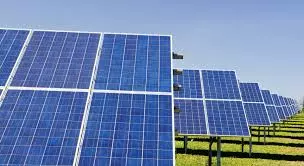
What Makes Advanced Solar Panels More Efficient
As solar energy continues to gain popularity worldwide, the demand for advanced solar panels that deliver higher efficiency and better performance is rising. But what exactly makes these panels more efficient than traditional models? Understanding the technology and design improvements behind advanced solar panels can help homeowners, businesses, and installers make informed decisions when investing in solar power systems.
Understanding Solar Panel Efficiency
Solar Panel Systems efficiency refers to the percentage of sunlight converted into usable electricity. Higher efficiency means more power output from the same panel size, which translates to better performance, especially in limited space.
Traditional silicon solar panels typically have efficiencies between 15% and 20%, while advanced panels can achieve efficiencies above 22%, and in some cases, even exceed 25%.
Factors That Make Advanced Solar Panels More Efficient
1. High-Quality Silicon and Cell Technology
The foundation of any solar panel is its photovoltaic (PV) cells. Advanced solar panels use:
- Monocrystalline Silicon Cells: Made from a single, pure silicon crystal, these cells have fewer defects and higher electron mobility, which improves efficiency.
- Passivated Emitter and Rear Cell (PERC) Technology: This innovation adds a passivation layer on the rear side of the cell, reducing electron recombination and increasing light absorption.
- Heterojunction Technology (HJT): Combines crystalline silicon with amorphous silicon layers to reduce energy loss and improve efficiency.
- Bifacial Cells: These cells can capture sunlight from both the front and rear, increasing total energy generation.
2. Improved Anti-Reflective Coatings
Sunlight reflection reduces the amount of light absorbed by solar cells. Advanced solar panels use multi-layer anti-reflective coatings that minimize reflection and maximize light capture. These coatings allow panels to absorb more sunlight, even in low-light conditions.
3. Advanced Cell Architecture
Innovative cell designs, such as:
- Interdigitated Back Contact (IBC) cells, which place all electrical contacts on the rear of the panel, eliminating shading on the front and enhancing efficiency.
- Multi-wire busbars, which reduce resistance and improve current collection compared to traditional thick busbars.
These architectural improvements reduce power losses and boost panel output.
4. Superior Module Design and Materials
Efficient solar panels incorporate high-quality glass and encapsulants that protect the cells while allowing maximum light transmission. Advances include:
- Low-iron tempered glass: Enhances light penetration.
- Durable encapsulants: Improve longevity and reduce cell degradation.
- Robust frames: Ensure stability and resistance to weather conditions.
5. Better Temperature Coefficients
Solar panels lose efficiency as temperature rises. Advanced panels are engineered with materials and cell designs that have better temperature coefficients, meaning they retain more performance under high heat conditions common in many climates.
6. Optimized Manufacturing Processes
Precision manufacturing reduces defects and inconsistencies in solar cells. Techniques such as laser doping, advanced wafer cutting, and rigorous quality control contribute to better-performing panels with consistent efficiency.
Benefits of Advanced Solar Panel Efficiency
- More Energy from Less Space: Ideal for rooftops with limited area.
- Lower Levelized Cost of Energy (LCOE): Higher efficiency panels generate more power over their lifetime, reducing overall energy costs.
- Better Performance in Diverse Conditions: Enhanced light absorption and temperature tolerance improve output in cloudy weather or hot climates.
- Longer Lifespan and Reliability: Quality materials and designs reduce degradation over time.
Conclusion
Advanced solar panels owe their higher efficiency to a combination of superior materials, innovative cell technologies, enhanced designs, and optimized manufacturing. These improvements allow users to generate more electricity from the same footprint, making solar power more accessible and cost-effective.
If you’re considering upgrading your solar system or installing one for the first time, investing in advanced solar panels ensures better returns and greater energy independence.