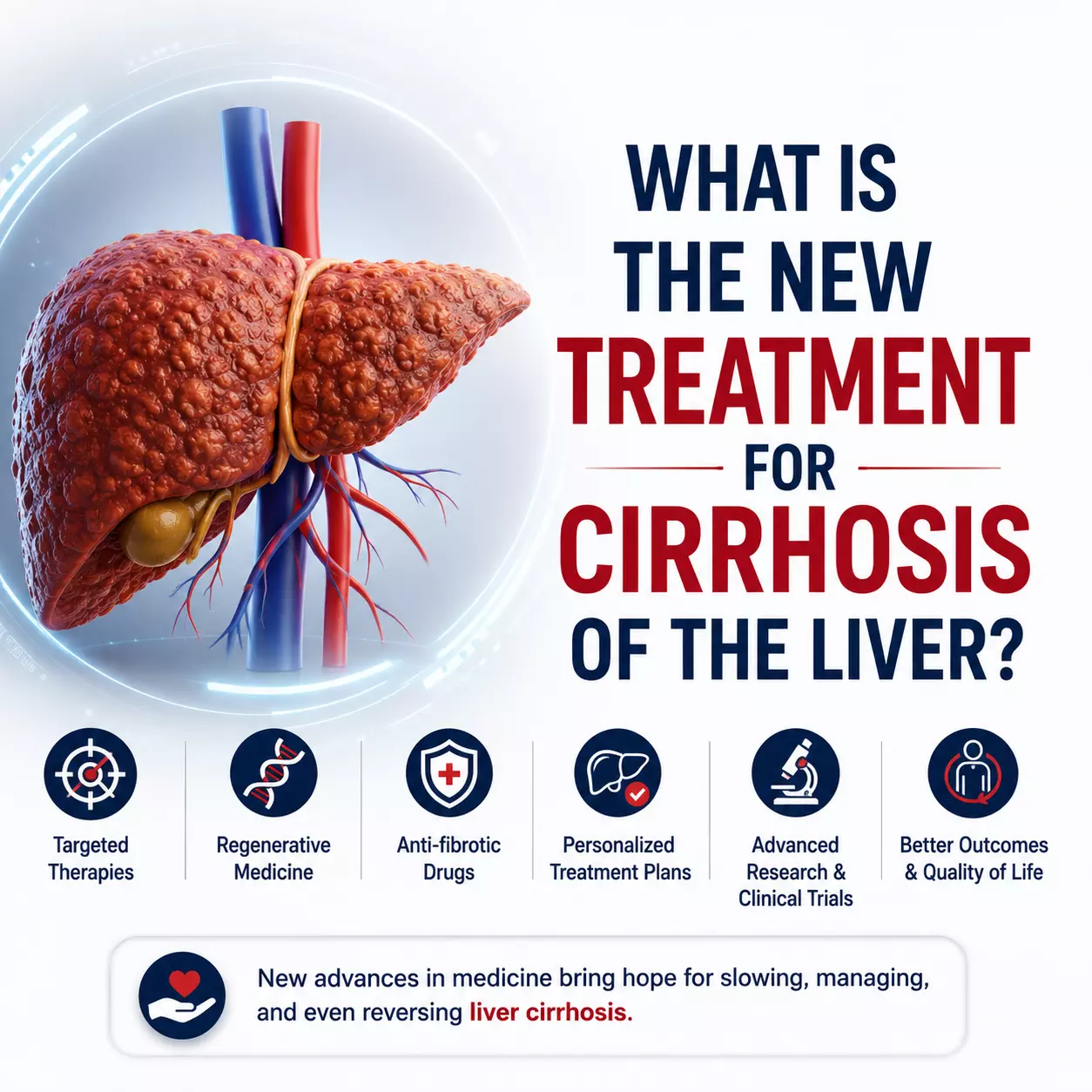
What is the new treatment for cirrhosis of the liver?
For a long time, liver cirrhosis was considered an irreversible condition — once scarring set in, it was believed the liver could never return to normal. But advances in medical research have slowly started to change that thinking.
Today, cirrhosis treatment options are far more advanced than before, and in the early stages, disease progression can often be controlled or even slowed down significantly.
If you or someone close to you is dealing with cirrhosis, the first step is to consult an experienced specialist for Liver Cirrhosis Treatment in Jaipur, so that a treatment plan can be built around your specific condition.
The Traditional Approach to Cirrhosis Treatment
Earlier, cirrhosis treatment was mostly limited to managing symptoms and complications — such as ascites (fluid buildup in the abdomen), variceal bleeding, and hepatic encephalopathy.
The underlying cause was treated, but reversing the actual scarring of the liver was not considered possible. In advanced stages, a liver transplant was seen as the only definitive solution.
What Has Changed in New Treatments for Liver Cirrhosis
In recent years, research has opened up some genuinely promising directions. It's worth understanding that some of these approaches are already established treatments, while others are still in the research and clinical trial stage — but the overall direction is encouraging.
Antiviral Therapies
If hepatitis B or C is the underlying cause of cirrhosis, modern antiviral medications have made a real difference. These medicines can effectively control the virus and prevent further liver damage, and in many cases, they can even halt disease progression altogether.
Antifibrotic and Metabolic Therapies
One of the most interesting developments in advanced liver cirrhosis treatment is research targeting fibrosis (scarring) in the liver directly.
Some newer medications — including GLP-1 based therapies originally developed for diabetes and weight management — are now showing promising results in improving fibrosis linked to fatty liver disease, particularly in patients with early-stage cirrhosis.
This area is still under active research, but it's a strong sign that fibrosis may not be as completely irreversible as once believed.
Read: Guide to Heart-Healthy Living at Any Age
Non-Invasive Diagnostic Tools
Along with treatment, diagnosis has also improved. Non-invasive tests like elastography can now assess liver stiffness and scarring quite accurately without the need for a biopsy, making it easier to start early stage cirrhosis treatment — because the sooner a problem is identified, the more effective the treatment tends to be.
Better Management of Complications
Procedures like TIPS (Transjugular Intrahepatic Portosystemic Shunt) have improved how portal hypertension and its related complications are managed. This is an example of cirrhosis treatment without surgery, where blood flow is regulated using a minimally invasive approach.
Improvements in Liver Transplant
For advanced cirrhosis cases, a liver transplant is still considered the most definitive treatment. Improvements in surgical techniques, organ preservation, and post-transplant care have significantly improved outcomes compared to before.
What the Latest Cirrhosis Treatment Depends On
It's important to understand that no single "new treatment" works the same way for every patient. Liver cirrhosis treatment options are decided based on several factors:
- The underlying cause of cirrhosis (hepatitis, alcohol, fatty liver, or others)
- The current stage of the disease (compensated or decompensated)
- Overall liver function
- The patient's age and general health
- Any existing complications
That's why treatment plans are always individually customized — a generic approach simply doesn't work here.
The Role of Early Diagnosis
No matter how advanced treatment options become, they're most effective when the condition is identified early.
The biggest advantage of early stage cirrhosis treatment is that liver damage at that point is still limited, and disease progression can be effectively slowed down with lifestyle changes combined with medical management.
So if you have a history of fatty liver, hepatitis, or any other liver-related condition, regular monitoring is essential — waiting for symptoms to appear is not a safe strategy.
Final Thoughts
The field of liver cirrhosis treatment is evolving quickly through ongoing research, and newer treatment approaches have expanded both hope and options for patients. But all of this works best when there's an accurate diagnosis and a treatment plan built under the guidance of an experienced specialist.
If you or someone in your family is experiencing any liver-related symptoms, don't wait. Take the first step by consulting an experienced Gastroenterologist in Jaipur for the right diagnosis and treatment plan — because the sooner you start, the better the results tend to be.