What Is HIIT Training, and How Can Beginners Approach It Safely?
Getting started with fitness can feel overwhelming, especially when you come across workout trends that promise results in less time.
One approach that has gained popularity is High-Intensity Interval Training, commonly known as HIIT. It combines short periods of challenging exercise with recovery breaks, making workouts varied and time-efficient.
But is HIIT suitable for beginners? Yes, provided you start at the right level, pay attention to your body, and build up gradually. You don't need to be an experienced athlete to try it. What matters most is learning the basics and giving yourself enough time to adapt.
What Is HIIT Training?
HIIT stands for High-Intensity Interval Training. It involves alternating between brief periods of relatively vigorous activity and periods of rest or lower-intensity movement.
For example, you might perform 20 seconds of brisk marching or fast-paced cycling, followed by 40 seconds of easy movement. You then repeat the cycle for a few rounds, depending on your fitness level.
Exercises commonly used in HIIT workouts include bodyweight squats, step-ups, stationary cycling, modified jumping jacks and mountain climbers. The exercises and intensity can be adjusted to suit different abilities.
Unlike a steady-paced workout, HIIT changes the intensity throughout the session. However, high intensity doesn't have to mean pushing yourself to exhaustion. Beginners can start with manageable effort levels and gradually increase the challenge as their fitness improves.
What Are the Benefits of HIIT?
One reason HIIT is popular is that it can deliver an effective workout without requiring a long session. When planned properly, it can support several aspects of fitness.
1. Supports cardiovascular fitness
Alternating between harder efforts and recovery periods challenges your heart and lungs. Over time, regular training can help improve aerobic fitness when the intensity and frequency are appropriate.
2. Helps build exercise consistency
Short, structured workouts may be easier to fit around work, studies and family commitments. Having a clear plan can also make exercise feel less intimidating.
3. Can support weight management
HIIT increases energy expenditure during exercise and may contribute to weight management when combined with consistent physical activity, balanced nutrition and adequate sleep. Results vary, and no single workout guarantees weight loss.
4. Offers variety
You can adapt interval workouts to different activities, including walking, cycling and bodyweight exercises. This makes it easier to choose movements you enjoy and adjust your routine as your ability changes.
Read: Level Up Your Workout: Why the Right Gym Trousers Make All
How Should Beginners Start HIIT Training?
If you're new to exercise, there's no need to begin with an intense workout you found online. Start with simple movements, controlled pacing and generous recovery periods.
Here are a few ways to approach HIIT safely.
1. Build a Basic Fitness Foundation
If you haven't exercised regularly, begin with walking, easy cycling or basic strength exercises. This helps your body get used to physical activity before you introduce harder intervals.
You can still use an interval format at a gentle pace. The goal is to develop consistency rather than chase maximum intensity from day one.
2. Warm Up Before Every Session
Spend around five to ten minutes warming up with easy walking, gentle marching, shoulder movements and controlled bodyweight exercises. A warm-up gradually prepares your muscles and cardiovascular system for the workout ahead.
Avoid jumping straight into fast squats, burpees or sprint intervals when your body is still cold.
3. Keep the First Workouts Short
Try a simple routine with 15–20 seconds of comfortable, moderately challenging activity followed by 40–60 seconds of easy recovery. Repeat for four to six rounds, adjusting the duration to your comfort.
Choose low-impact movements such as marching in place, step-ups on a stable low step or stationary cycling. You should be able to maintain good technique throughout each interval.
4. Focus on Technique, Not Speed
Moving faster isn't always better. Keep your movements controlled, maintain a comfortable range of motion and stop an exercise if you cannot perform it properly.
If bodyweight squats feel difficult, use a chair for support. If jumping movements cause discomfort, choose a low-impact alternative. Exercise should challenge you without forcing you to ignore pain.
5. Allow Time for Recovery
Beginners can start with one or two HIIT sessions per week on non-consecutive days, depending on their current fitness and recovery. Use other days for walking, mobility work or moderate exercise.
Sleep, hydration and balanced meals also support recovery. As the workouts become easier, you can gradually increase the number of rounds or the effort level rather than changing everything at once.
Common HIIT Mistakes Beginners Should Avoid
A few common mistakes can make interval training harder than it needs to be.
- Doing too much too soon: Start with short sessions and manageable intervals instead of copying an advanced athlete's routine.
- Skipping recovery: Rest periods are part of the workout. They help you prepare for the next interval.
- Ignoring discomfort: Muscle effort is normal, but sharp pain, dizziness, chest pain or unusual breathlessness are reasons to stop. Seek urgent medical care for concerning symptoms.
- Training hard every day: Your body needs recovery time. Mix challenging sessions with easier activities.
- Expecting instant results: Improvements in fitness come from regular practice, sensible progression and habits you can maintain.
If you have a chronic health condition, significant joint problems, or have been inactive for a long time and are unsure how to begin, speak with a qualified healthcare professional before starting vigorous exercise.
Finding the Right Gym and Support
Starting a fitness routine can be easier when you have access to appropriate equipment, clear guidance and a plan that matches your ability.
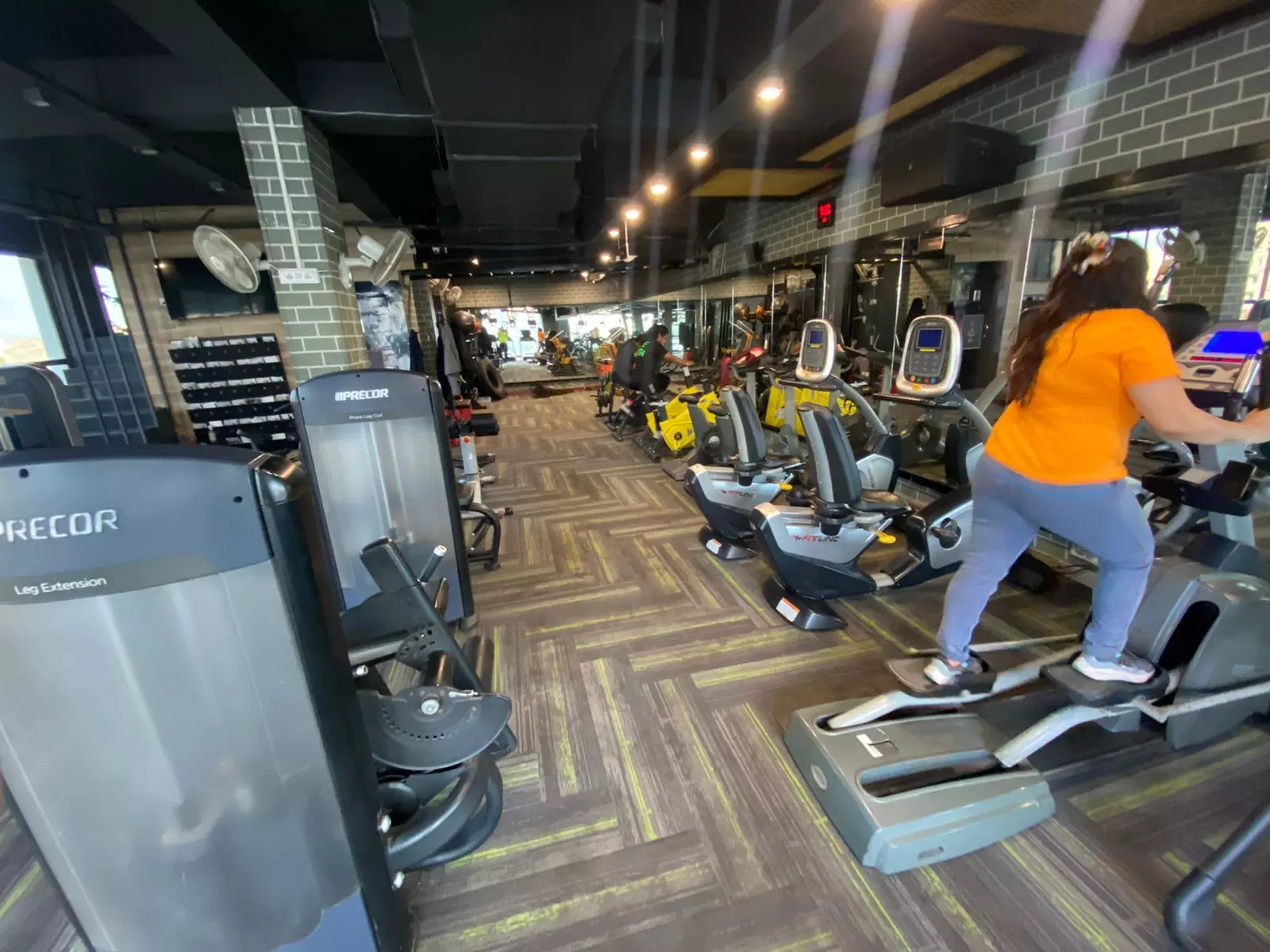
If you're looking for a gym in Zirakpur, consider the quality of coaching, cleanliness, equipment, training environment and whether the staff can help you modify exercises for your current fitness level.
At True Elevate, beginners can explore their fitness goals and work towards a more consistent exercise routine. Before beginning HIIT, discuss your experience and any movement limitations with a qualified trainer so the exercises can be adapted appropriately.
Final Thoughts
HIIT can be a useful addition to a fitness routine, but beginners don't need to go all out to benefit from it. Start with simple exercises, use longer recovery periods, maintain good technique and increase the intensity gradually.
The best workout is one you can perform safely and return to consistently. Build your foundation first, listen to your body and let progress happen over time.