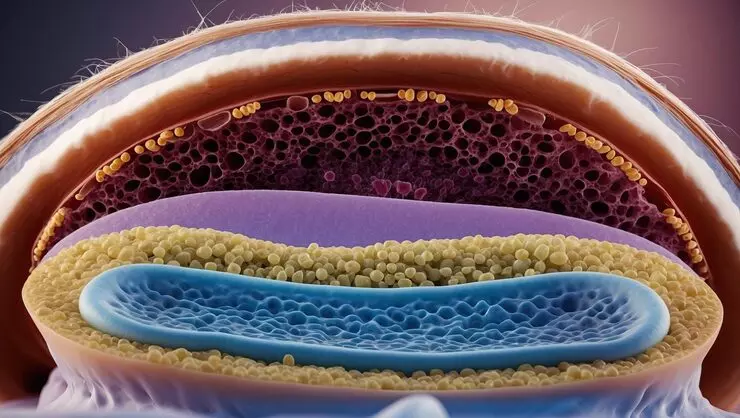
What Innovations Are Emerging in Amniotic Membrane Technology?
Ever since regenerative medicine has been committed to continuous innovation, the use of amniotic membranes is a perfect instance of moving forward. These membranes, which were once regarded as merely a basic biological graft, have been progressively stimulated by scientific research, breakthroughs in processing, and innovative clinical applications.
Technically, the use of the amniotic membrane is still the same as before. Still, the newer preservation techniques, the layers designed by bioengineering specialists, and the biomolecules have evolved to accelerate the body's own healing processes, and the designs are rapidly making the amniotic membrane a completely dependable and efficient product.
Below, we will explore the advances in preservation and processing techniques, development of dual- and multi-layer constructs, functionalization with growth factors and biomolecules, and application-specific innovations in medicine.
Advances in Preservation and Processing Techniques
One of the most significant advances is that the way membranes are kept and handled has changed. Today's methods ensure the rights, quality, and functionality of the membranes while preserving the natural healing properties. These are some of the advances in the preservation and processing of amniotic membrane:
Cryopreservation Improvements
The new cryopreservation techniques are performing wonders, keeping the tissues much closer to their regular course of life. Besides maintaining proteins essential for life, they also preserve biological activity, thereby providing clinicians with more positive results after treatment.
Dehydration Innovations
Dehydrated membranes are more convenient to store and transport. Furthermore, they not only double their life but also make them more useful in hospitals and outpatient clinics.
Sterilization Methods
New sterilization technology is more effective at removing pathogens and also at protecting the delicate biological matrix. Patient safety is ensured, while the therapeutic effect is not compromised.
Long-Term Stability
Methods of processing have now enabled the membranes to remain viable for an extended period. Stability is instrumental for producing consistent results and also for attracting a larger audience.
Quality Consistency
The application of standardized protocols leads to uniformity in product quality. The regularity classifies the trustworthiness of both institutions and funders, which is very important, especially for the new model, such as the dual-layer amniotic membranes that require accurate processing.
Development of Dual- and Multi-Layer Constructs
Another innovation is the creation of layered constructs. These are designed to mimic natural tissue more effectively and offer better durability. Below, we will see the key benefits of these advanced designs.
Enhanced Durability
Multiple layers make membranes stronger. They can withstand handling and surgical use better than single-layer sheets.
Improved Handling
Surgeons benefit from constructs that are easier to place and manipulate. Better handling reduces complications and shortens procedure times.
Better Moisture Retention
Layered membranes maintain higher levels of natural moisture, allowing cells to survive. This is the best environment for healing.
Stronger Structural Support
Increased strength accommodates larger defects and more extensive wounds. The layers are protective and offer strength. In most situations, dual-layer amniotic membranes are the first choice due to their balance of strength and flexibility.
Functionalization With Growth Factors and Biomolecules
Scientists are going beyond the redesign of membranes to provide them with new biomolecules that offer functionalization to meet specific needs and increase regenerative power. Below, we will see how these introductions impact clinical outcomes.
Anti-Inflammatory Boosts
The addition of extra molecules can strengthen the natural anti-inflammatory properties, thus reducing pain, and the recovery period will be accelerated.
Controlled Drug Delivery
The membrane can be modified to release the drug slowly and continuously over time. This method can be utilized to give both wound coverage and drug therapy in accurate doses simultaneously.
Regenerative Signaling
The functionalized membranes emit signals that trigger the body's own repair mechanisms, thereby accelerating tissue regeneration and integration.
Application-Specific Innovations in Medicine
Finally, innovation is reaching the clinic through specialized applications. Different fields of medicine are adopting customized versions of amniotic membranes. Below, we will discuss where this impact is most visible.
Ophthalmology Advancements
In ophthalmology, membranes restore the corneal surface and cure dry eyes. They guard soft tissue and maintain vision.
Wound Care Evolution
Chronic wounds are healing more quickly with biologic dressings. Membranes lower complication rates while enabling natural skin healing.
Orthopedic Applications
Membranes assist tendon, cartilage, and joint repair in orthopedics. They lower inflammation while facilitating regeneration.
Surgical Reconstruction
Surgeons apply membranes in reconstructive surgery to improve integration. They minimize scarring and maximize cosmetic results.
Final Thoughts
Amniotic membrane technology has undergone significant evolution since its initial application. Currently, the use of amniotic membrane has expanded considerably due to the combination of advanced preservation techniques, more complex structures, and modified functions.
The most significant factor that has kept the progress is the balance between science and practicality. These therapies are becoming increasingly accessible as they are being customized for specific applications, their effectiveness is being enhanced, and their shelf life is being extended.
Future innovation will continue to impact the use of amniotic membranes in medical treatments. Their application is expected to become safer and more effective, while also being utilized by a larger number of people, thereby ensuring that they will continue to play a leading role in the field of regeneration therapy in the coming years.