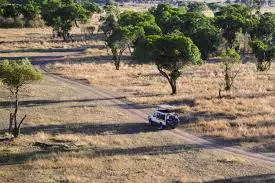
What I Wish I Knew Before Visiting Tanzania For Safari
Embarking on a Tanzanian safari is a dream come true for many travelers. The vast plains of the Serengeti, the majestic Mount Kilimanjaro, and the incredible wildlife that roams freely create memories that last a lifetime.
However, like any adventure to a far-off destination, there are things I wish I had known before my first visit.
Whether you're planning your first safari or returning for another taste of Tanzania's wild beauty, these insights will help you make the most of your journey.
1. Timing Is Everything: Understanding Safari Seasons
Tanzania has two main safari seasons, and choosing the right time can dramatically impact your experience.
The dry season (June to October) is considered peak safari season, offering excellent wildlife viewing as animals congregate around water sources. The grass is shorter, making it easier to spot predators and prey alike.
The wet season (November to May) has its own magic. The landscape transforms into a lush green paradise, migratory birds arrive, and you'll witness the Great Migration's calving season in the southern Serengeti (January to March). Plus, accommodation rates are often lower, and the parks are less crowded.
Pro tip: If witnessing the Great Wildebeest Migration is on your bucket list, research the migration patterns for your travel dates. The herds move throughout the year between the Serengeti and Kenya's Masai Mara, following the rains.
2. Choose Your Accommodation Style Wisely
Tanzania offers three main accommodation options for safari-goers, each providing a unique experience:
- Camping: Budget-friendly and authentic, camping puts you closest to nature. You'll fall asleep to the sounds of hyenas calling and lions roaring in the distance. It's an adventure in itself, though comfort is minimal.
- Standard Lodges: These offer comfortable rooms with private facilities, good food, and often a pool. They strike a nice balance between comfort and authenticity without breaking the bank.
- Luxury Lodges and Tented Camps: These provide five-star experiences in the heart of the wilderness. Think gourmet meals, private decks, plunge pools, and exceptional service. They're perfect for honeymooners or those celebrating special occasions.
I initially thought luxury was unnecessary on safari, but after experiencing it once, I understood its appeal. After long days in dusty game drives, returning to a comfortable bed, hot shower, and excellent meal made all the difference.
3. Your Guide Makes or Breaks Your Safari
I cannot stress this enough: invest in a quality tour operator with experienced guides. A knowledgeable guide doesn't just drive you around looking for animals—they tell the story of the landscape, explain animal behavior, identify bird calls, and spot wildlife you'd never notice on your own.
When I first visited Tanzania, I went with a budget operator. We saw animals, but the experience felt superficial. On my second trip with an experienced guide who had spent two decades in the bush, every moment was educational and engaging.
He predicted animal movements, found leopards in trees, and shared stories about conservation challenges.
Look for operators with excellent reviews, certified guides, and a genuine commitment to both customer experience and conservation.
Companies like Kimgoni Tanzania Safaris, which are locally owned and operated, often provide more authentic experiences and directly support local communities.
4. Pack Smart: Essential Safari Gear
Packing for a safari requires thought. Here's what I wish I'd known to bring:
- Neutral-colored clothing: Khaki, olive, and tan blend into the environment. Avoid bright colors and black (which attracts tsetse flies).
- Layers: Early morning game drives can be surprisingly cold, but midday temperatures soar. Bring a warm fleece or jacket and sun-protective clothing.
- Quality binoculars: Don't rely solely on your camera zoom. Binoculars enhance every sighting.
- Camera with good zoom: A 200-400mm lens is ideal for wildlife photography. Bring extra batteries and memory cards—you'll take more photos than you think!
- Sun protection: High-SPF sunscreen, sunglasses, and a wide-brimmed hat are essential. The equatorial sun is intense.
- Insect repellent: Bring DEET-based repellent for mosquitoes and tsetse flies.
- Dust protection: A buff or bandana helps when roads get dusty. Dust bags for cameras and electronics are also wise.
Don't overpack. Many lodges offer laundry service, and you'll want to maximize luggage space for souvenirs!
5. Health Preparations: Beyond the Basics
Before visiting Tanzania, consult a travel medicine specialist at least 6-8 weeks in advance. You'll likely need:
- Yellow fever vaccination: Required if you're coming from a yellow fever endemic country. Some travelers get it anyway as proof of vaccination may be requested.
- Malaria prophylaxis: Most safari areas are in malaria zones. Discuss options with your doctor.
- Routine vaccinations: Ensure tetanus, typhoid, and hepatitis A/B are up to date.
Pack a basic medical kit with anti-diarrheal medication, pain relievers, antihistamines, and any prescription medications (in original containers). Altitude sickness medication is essential if you're climbing Kilimanjaro.
One thing I learned the hard way: drink only bottled water, even for brushing teeth. Most lodges provide it, but bring water purification tablets as backup.
6. The Big Five Aren't Everything
Everyone arrives hoping to see the Big Five: lions, leopards, elephants, buffalo, and rhinos. While these are magnificent creatures, Tanzania's wildlife extends far beyond this list.
On my first safari, I was so focused on ticking off the Big Five that I nearly missed incredible moments—a cheetah hunting, wild dogs playing, or the aerial ballet of thousands of flamingos.
The smaller moments are often the most memorable: a dung beetle rolling its prize, a lilac-breasted roller's iridescent feathers, or a baby elephant learning to use its trunk.
Approach each game drive with open wonder rather than a checklist mentality. The bush will surprise you with gifts you never knew to wish for.
7. Respect Wildlife and Follow Park Rules
This seems obvious, but it bears repeating. Stay in your vehicle during game drives unless your guide indicates it's safe. Don't feed animals, and maintain distance. These aren't zoo animals—they're wild, unpredictable, and potentially dangerous.
I witnessed tourists standing up through sunroofs to get better photos, startling a pride of lions. The consequences could have been tragic. Your guide knows when it's safe and when it isn't. Listen to them.
Also, respect park rules about drone usage (generally prohibited), off-road driving, and wildlife harassment. These regulations protect both you and the animals.
8. Budget Realistically (and Know What's Included)
Safaris aren't cheap, but they're worth every penny. When comparing prices, understand what's included:
- Park entrance fees (can be $50-70 per person per day)
- Accommodation and meals
- Transportation and fuel
- Guide services
- Drinking water during drives
Budget separately for:
- Tips for guides and staff (budget $20-30/day for your guide, $10/day for camp staff)
- Alcoholic beverages (often not included)
- Souvenirs and optional activities
- Travel insurance (essential!)
While it's tempting to choose the cheapest option, remember that quality guides, well-maintained vehicles, and ethical operators cost more. I've learned that paying a bit extra for a reputable company means better service, safety, and peace of mind.
9. Cultural Sensitivity and Community Engagement
Tanzania is home to over 120 ethnic groups, each with unique traditions. If your itinerary includes cultural visits—such as Maasai villages—approach with respect and cultural sensitivity.
Ask before taking photographs of people. Some cultural visits feel staged for tourists, but others offer genuine cultural exchange. Choose operators who work with communities in ways that benefit locals rather than exploit them.
Learn a few Swahili phrases—locals appreciate the effort. 'Jambo' (hello), 'asante' (thank you), and 'pole pole' (slowly/carefully) will go far.
Tanzanians are incredibly warm and welcoming, and showing respect for their culture enriches your experience.
Supporting locally-owned tour companies directly benefits Tanzanian families and communities.
When choosing where to book, consider companies like Kimgoni Tanzania Safaris, which are Tanzanian-owned and invest in local employment and development.
10. Combine Safari with Zanzibar (If Time Allows)
After days of early wake-ups and dusty game drives, the pristine beaches of Zanzibar provide the perfect counterbalance. The island offers turquoise waters, historic Stone Town, spice tours, and incredible seafood.
I made the mistake of skipping Zanzibar on my first trip, thinking I should maximize safari time. On my return, I included four days in Zanzibar and it was transformative—a chance to relax, process the safari experience, and explore a different facet of Tanzanian culture.
Most safari operators can arrange combined packages. The short flight from Arusha or Dar es Salaam makes it an easy addition to your itinerary.
11. Manage Your Expectations About Connectivity
Many safari camps and lodges have limited or no Wi-Fi, and cell coverage in national parks is spotty at best. Initially, this frustrated me. I wanted to share photos instantly and stay connected.
But disconnecting from the digital world became one of my favorite aspects of safari.
Without constant notifications, I was fully present—watching the sunset paint the Serengeti golden, listening to the night sounds, and connecting with fellow travelers over campfire stories.
Inform work and family that you'll be out of touch. Download offline maps, books, and entertainment before departure. Embrace the digital detox—it's increasingly rare in our connected world.
12. The Long Drives Are Worth It
Tanzania's parks are vast, and distances between them can be significant. Some days involve 4-6 hours of driving. I initially viewed this as wasted time, but I learned to appreciate these journeys.
The landscapes between parks are beautiful—rolling hills, rural villages, and roadside markets. These drives offer glimpses of everyday Tanzanian life and provide valuable downtime to rest, read, or simply watch the scenery unfold.
Bring neck pillows, downloaded podcasts, and snacks. Break up long drives with stops at viewpoints or local coffee plantations. The journey is part of the adventure.
13. Photography Tips for Amateur Photographers
You don't need professional equipment to capture amazing safari photos, but a few tips help:
- Shoot in early morning or late afternoon: The golden hour light is magical and animals are most active.
- Focus on eyes: Sharp eyes make wildlife photos come alive.
- Use fast shutter speeds: Vehicle movement and animal motion require 1/500s or faster.
- Photograph behavior, not just portraits: Capture hunting, playing, fighting, or caring for young.
- Don't forget landscapes: The Serengeti sunsets and Ngorongoro Crater vistas deserve documentation too.
Most importantly, put the camera down sometimes. Experiencing moments with your own eyes, not through a viewfinder, creates memories no photograph can replicate.
14. Consider a Private Safari
Group safaris can be economical, but private safaris offer unmatched flexibility. You control the pace—spending extra time with that cheetah if you wish, or skipping animals you've already seen.
Private safaris accommodate your interests. Passionate about birds? Your guide can focus on ornithology. Prefer photography? You'll stop for optimal lighting without rushing others.
While more expensive, private safaris provide intimacy and customization that enhance the experience, especially for families, couples, or small friend groups. Many operators offer private safaris at competitive rates if booked directly.
Read: Luxury Tanzania Safaris vs Budget Safaris: Which One is
15. The Magic Happens When You Least Expect It
The most profound lesson from my Tanzanian safaris is this: the best moments aren't planned. They happen when you're patient, present, and open to surprise.
My most cherished memory isn't seeing lions or elephants—it's a quiet morning when our vehicle stopped for coffee.
As we sipped from our thermoses, zebras grazed peacefully fifty meters away, birds sang, and the sun rose over the Serengeti. No cameras, no talking. Just being there, in that perfect moment.
Tanzania will challenge you, exhaust you, and absolutely transform you. It reminds us how small we are, how magnificent nature is, and why protecting these wild places matters urgently.
Final Thoughts
Planning a Tanzanian safari can feel overwhelming, but the reward is extraordinary.
Whether you're watching the Great Migration, standing at the rim of Ngorongoro Crater, or simply watching elephants at a waterhole, Tanzania delivers experiences that stay with you forever.
Choose your operator carefully, prepare thoughtfully, and arrive with an open heart. The Serengeti doesn't disappoint—it exceeds every expectation.
If you're ready to turn these dreams into reality, consider booking with experienced, locally-owned operators like Kimgoni Tanzania Safaris.
With two decades of expertise, they specialize in creating authentic, affordable experiences that showcase Tanzania's magnificence while supporting local communities.
Whether you're dreaming of witnessing the Big Five, trekking Mount Kilimanjaro, meeting the Maasai people, or relaxing on Zanzibar's beaches, they can craft the perfect itinerary for your adventure.