What Hvac Equipment Do You Need for a New Home Today?
A new home needs more than attractive rooms, modern appliances, and quality finishes to provide year-round comfort.
The heating and cooling system is one of the most important parts of the home because it controls indoor temperature and helps maintain a comfortable living environment.
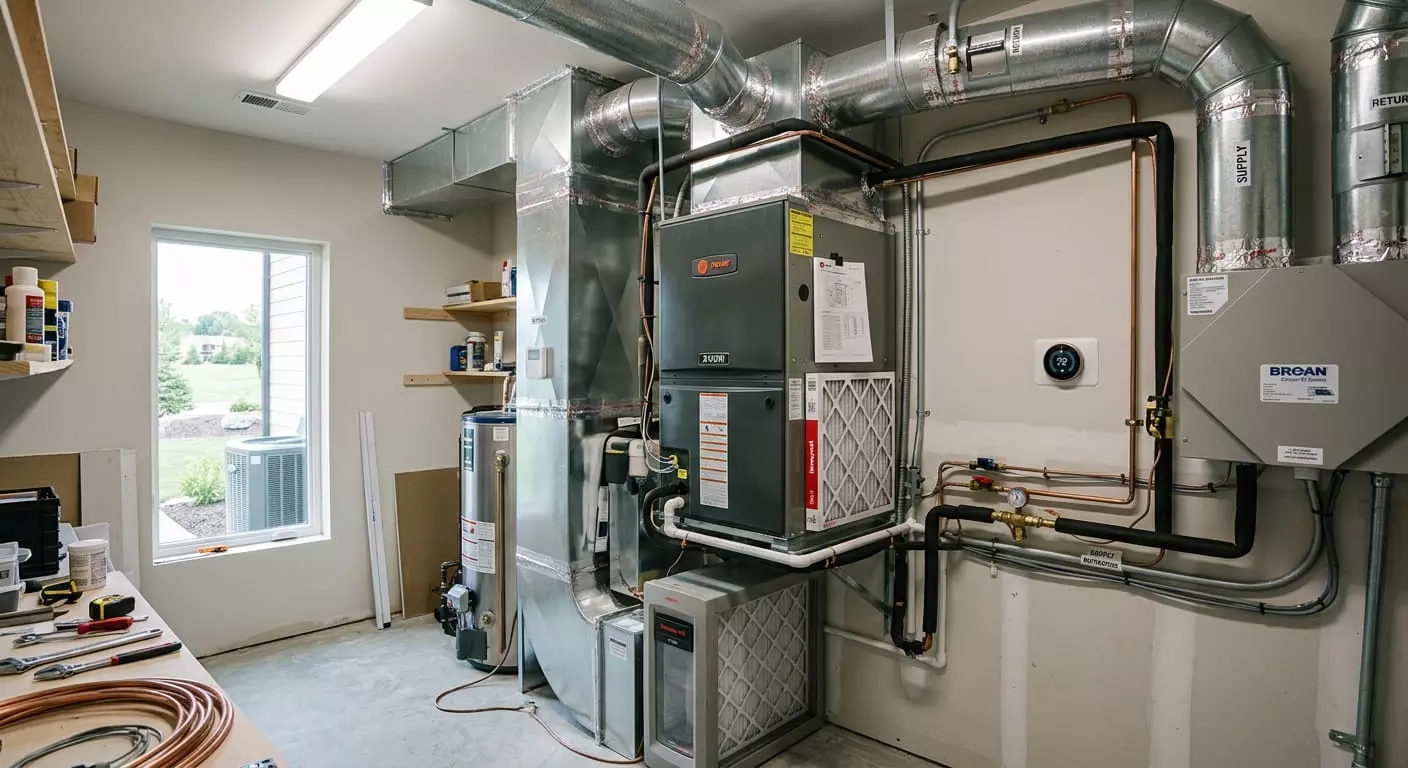
Hvac Equipment can include heating systems, air conditioners, heat pumps, air handlers, ductwork, thermostats, filters, and ventilation components.
The exact combination depends on the home's size, layout, climate, insulation, energy source, and comfort needs.
For homeowners building or buying a new property, choosing the right equipment early can make a major difference. A properly planned HVAC system can provide steady temperatures, better airflow, improved indoor air quality, and more efficient operation.
What HVAC Equipment Does a New Home Need?
A complete residential HVAC system is made up of several components that work together. Not every home needs the same setup, but most new homes require equipment for heating, cooling, air distribution, temperature control, and air filtration.
Heating and Cooling Equipment
The primary equipment usually includes a furnace, air conditioner, heat pump, or a combination of these systems. The best choice depends on the home's location and heating and cooling requirements.
A traditional setup may use a furnace for heating and a central air conditioner for cooling. Another option is a heat pump that can provide both heating and cooling from one main system.
A professional HVAC assessment can help determine which equipment fits the home's design and expected usage.
Air Distribution Equipment
The heating and cooling equipment needs a way to move conditioned air throughout the house. In a ducted system, supply and return ducts distribute air between the HVAC equipment and individual rooms.
Ductwork should be planned carefully during new construction. Poorly designed ducts can contribute to uneven temperatures, restricted airflow, and unnecessary energy use.
Temperature Control Equipment
A thermostat controls when the HVAC system operates. Basic thermostats allow manual temperature adjustments, while programmable and smart thermostats can provide more advanced control.
For a new home, a modern thermostat can be useful because it gives homeowners greater control over schedules and indoor comfort.
Is a Central Air Conditioner Needed in a New Home?
For homes that require whole-home cooling, a central air conditioner can be an effective choice. It works with ductwork to move cooled air into different rooms.
A typical central air system has an outdoor condenser unit and an indoor component that works with the home's air distribution system. The thermostat tells the system when cooling is needed.
When Central AC Makes Sense
Central AC can be a good choice when the new home already has planned ductwork and needs consistent cooling throughout multiple rooms.
It can also work well when homeowners prefer one system to control the temperature across the entire house instead of using separate room-based cooling equipment.
The correct system size is important. An air conditioner that is too large may cycle on and off too often, while an undersized unit may struggle to cool the home properly.
Read: Find the Best HVAC Solutions for Your Comfort!
Does a New Home Need a Furnace?
A furnace may be necessary in areas where homes require regular heating during colder months. Gas and electric furnaces are common options for forced-air heating systems.
A furnace heats air and uses a blower to move the warmed air through the home's ductwork. When paired with a central air conditioner, the same duct system can distribute both warm and cool air.
Choosing the Right Furnace
The furnace should be selected based on the home's heating requirements rather than simply choosing the largest available model.
Home size, insulation, windows, local climate, and building design all affect heating needs. A professional load calculation can help determine the appropriate capacity.
A correctly sized furnace can provide more consistent heating while avoiding unnecessary energy use.
Should a New Home Use a Heat Pump?
A heat pump is another major option for new homes. Unlike a system that uses separate equipment for heating and cooling, a heat pump can perform both functions.
During cooling, it removes heat from indoor air. During heating, the process reverses and transfers heat into the home.
Why Homeowners Consider Heat Pumps
Heat pumps can be attractive to homeowners who want one system for both heating and cooling. They can also work with ducted or ductless designs, depending on the home's layout.
A heat pump may be especially suitable in areas where heating and cooling are both needed throughout the year.
However, climate, electricity costs, home insulation, and equipment sizing should all be considered before selecting a heat pump.
Does a New Home Need Ductwork?
A ducted HVAC system requires properly designed ductwork to distribute conditioned air. Since new homes are still being constructed, ductwork can often be planned before walls and ceilings are completed.
This gives builders and HVAC professionals an opportunity to design the air distribution system around the home's floor plan.
What Makes Good Ductwork?
Good ductwork should provide balanced airflow to the rooms that need heating and cooling. The design should account for the size of the home, number of rooms, system capacity, and location of supply and return vents.
Ducts should also be properly sealed and insulated where required. Leaks or poor connections can reduce system performance and make it harder to maintain comfortable temperatures.
For this reason, ductwork should not be treated as an afterthought during new home construction.
Does a New Home Need an Air Handler?
An air handler is an important component in many electric HVAC and heat pump systems. It typically contains a blower and other components that help circulate conditioned air through the home.
In some systems, the air handler works with an outdoor heat pump. In other setups, an indoor furnace may provide the blower and heating function.
Air Handler vs. Furnace
The main difference is how the equipment provides heat.
A furnace generates heat, while an air handler generally moves air and works with another source, such as a heat pump or electric heating elements.
The correct choice depends on the HVAC system selected for the home.
Why Is a Thermostat Important for New HVAC Equipment?
The thermostat is the control point for the HVAC system. It tells the equipment when to heat or cool the home based on the selected temperature.
A new home can benefit from a programmable or smart thermostat because it can provide more control over daily temperature settings.
Smart Thermostat Features
Depending on the model, a smart thermostat may allow homeowners to:
- Create temperature schedules
- Adjust settings remotely
- Monitor indoor temperatures
- Connect with smart home systems
- Reduce unnecessary heating or cooling
The thermostat should also be compatible with the HVAC equipment. Choosing the thermostat after the system has been selected can help avoid compatibility problems.
Does New HVAC Equipment Need Air Filters?
Air filters are another important part of a residential HVAC system. They help capture particles from the air before it moves through the system and into living areas.
Filters also help protect HVAC components from excessive dust buildup.
How Should Homeowners Handle Filters?
The filter type and replacement schedule depend on the HVAC system, filter design, home conditions, and manufacturer recommendations.
Homes with pets, construction dust, or higher indoor particle levels may require more frequent filter attention.
A clean filter helps maintain proper airflow. A heavily blocked filter can restrict airflow and place additional strain on the HVAC system.
Is Ventilation Equipment Necessary in a New Home?
Modern homes are often built with better insulation and tighter construction. While this can improve energy efficiency, proper ventilation is still important for bringing in outdoor air and managing indoor air quality.
Ventilation equipment can work alongside the heating and cooling system to support fresh-air exchange.
Common Ventilation Options
Depending on the home's design, ventilation may include:
- Fresh-air intake systems
- Exhaust fans
- Whole-home ventilation systems
- Energy recovery ventilation systems
- Heat recovery ventilation systems
The right option depends on the building design and local requirements.
Does a New Home Need Indoor Air Quality Equipment?
Heating and cooling are only part of indoor comfort. Air quality can also affect how comfortable a home feels.
Additional equipment may include air cleaners, humidifiers, dehumidifiers, and other filtration solutions.
Air Cleaners and Filtration
An air cleaning system can provide additional filtration beyond a standard HVAC filter. This may be useful for homeowners who want to pay closer attention to indoor air cleanliness.
Humidifiers and Dehumidifiers
Humidity can also affect comfort. A home that is too humid may feel warmer and can create conditions that encourage moisture-related problems. A home with very dry air may feel uncomfortable during heating periods.
Humidity control equipment can be considered when the home's climate and indoor conditions make it necessary.
What HVAC Equipment Is Best for a New Home?
There is no single HVAC setup that works perfectly for every new home. The best equipment depends on several factors.
Home Size and Layout
A larger home may require a different system capacity than a smaller property. Multi-story homes may also benefit from zoning or separate temperature-control areas.
Local Climate
The climate has a major influence on equipment selection. Homes in hot regions may need stronger cooling performance, while homes in colder areas may require more heating capacity.
Energy Source
The home's available energy sources can also affect the decision. Electricity, natural gas, and other options may be available depending on the property.
Insulation and Windows
A well-insulated home with efficient windows may have different heating and cooling requirements than a poorly insulated property.
This is why HVAC equipment should be selected based on the home's actual heating and cooling load rather than floor size alone.
Should a New Home Have HVAC Zoning?
HVAC zoning allows different areas of a home to have more independent temperature control.
This can be useful in larger homes, homes with multiple floors, or properties where certain rooms have different heating and cooling needs.
How Zoning Works
A zoned system may use multiple thermostats and dampers within the ductwork. These components help direct conditioned air to specific areas.
For example, bedrooms may have different temperature preferences from living areas. Zoning can give homeowners more control instead of forcing the entire house to operate at one temperature.
How Should HVAC Equipment Be Selected for a New Home?
The selection process should begin before the home is finished. Waiting until construction is nearly complete can limit equipment and ductwork options.
A professional HVAC contractor can review the home's plans and evaluate its heating and cooling requirements.
Consider System Size
The system should be sized according to the home's actual load. Bigger does not always mean better.
Consider Efficiency
Energy efficiency should also be considered because HVAC equipment can operate for many hours throughout the year.
Consider Long-Term Maintenance
Homeowners should also think about filter access, service requirements, replacement parts, warranties, and future maintenance before selecting equipment.
Consider Installation Quality
Even high-quality equipment may perform poorly if it is installed incorrectly. Proper installation, duct design, refrigerant connections, airflow, drainage, and system setup all matter.
What Should Homeowners Ask an HVAC Contractor?
Before installation, homeowners can ask several simple questions to better understand the proposed system.
Questions About the System
They can ask:
- What type of HVAC system is recommended?
- How was the system size determined?
- What heating and cooling capacity is required?
- Will the system use ducts or a ductless design?
- What type of thermostat is compatible?
- What maintenance will the system require?
- How will indoor air quality be managed?
- What warranty coverage is included?
Clear answers can help homeowners understand what they are purchasing and why the equipment has been recommended.
Why Professional HVAC Planning Matters in New Construction
HVAC planning should be part of the home's construction process rather than something handled at the last minute.
The equipment must work with the home's electrical system, ductwork, insulation, structure, and available installation space. Poor planning can lead to limited equipment choices, difficult installation, or comfort problems after the home is completed.
Professional planning also makes it easier to consider future maintenance. Equipment should be installed where technicians can safely access important components for inspections and repairs.
The AC Outlet can help homeowners understand their HVAC options and determine which equipment may fit their property's comfort needs. Professional guidance can make the equipment selection and installation process easier to manage.
How Can New HVAC Equipment Improve Home Comfort?
The right HVAC system can provide more consistent temperatures throughout the home. Proper equipment sizing, balanced airflow, effective insulation, and a suitable thermostat all contribute to better comfort.
A well-designed system can also reduce common problems such as rooms that are too hot, rooms that are too cold, weak airflow, or frequent system cycling.
The goal is not simply to install the most powerful equipment. The goal is to create a complete system in which every component works together.
What Is the Most Important HVAC Equipment for a New Home?
The most important equipment depends on the home's needs, but a complete system usually requires a heating and cooling source, air distribution equipment, temperature controls, and filtration.
For a ducted home, this may include a furnace and air conditioner or a heat pump with an air handler, along with ductwork and a thermostat.
Additional ventilation and indoor air quality equipment can be added when the home's design or occupants require it.
The key is to build the HVAC system around the property instead of trying to make the property fit a preselected system.
Final Thoughts on HVAC Equipment for New Homes
Choosing HVAC equipment for a new home is an important decision that affects comfort, airflow, energy use, and long-term maintenance.
A furnace and central AC may be suitable for one property, while a heat pump, air handler, ductless system, or zoned setup may make more sense for another.
The best approach is for homeowners and builders to consider the home's size, layout, climate, insulation, energy source, and expected comfort needs before installation begins.
The AC Outlet can provide professional guidance to help homeowners understand their options and plan a suitable HVAC system.
With proper sizing, quality equipment, thoughtful ductwork, reliable controls, and professional installation, a new home can have a heating and cooling system designed for dependable comfort from the start.