What Happens If There Are No Witnesses to a Car Accident?
Being involved in a car accident is stressful, but the situation can become even more complicated when there are no witnesses. Many drivers worry that without someone else confirming what happened, their insurance claim will automatically be denied. Fortunately, that is not always the case.
Insurance companies investigate accidents using various forms of evidence, not just eyewitness testimony. Photos, police reports, vehicle damage, surveillance footage, dashcam recordings, and statements from the drivers involved can all play an important role in determining fault.
This guide explains what happens if there are no witnesses to a car accident, how insurance companies investigate these cases, and what you can do to strengthen your claim.
Does a Car Accident Claim Require Witnesses?
- No. Witnesses can help support your version of events, but they are not required for an insurance claim or legal case.
- Insurance adjusters understand that many accidents occur without independent witnesses. They evaluate all available evidence before making a decision about liability.
- If there are no witnesses, your claim can still be successful if there is enough supporting evidence.
How Insurance Companies Determine Fault Without Witnesses
Insurance companies rely on multiple sources of information when investigating an accident.
Police Report
If law enforcement responded to the accident, the police report often becomes one of the most valuable pieces of evidence. It may include:
- Driver statements
- Officer observations
- Road conditions
- Vehicle positions
- Traffic violations
- Preliminary fault assessment
Although a police report does not always determine legal liability, insurers frequently use it during their investigation.
Vehicle Damage
The location and severity of vehicle damage often tell a detailed story about how the accident occurred.
For example:
- Rear-end damage may indicate a rear-end collision.
- Side damage could support a failure-to-yield claim.
- Front-end damage may help reconstruct the impact.
Insurance adjusters often compare the damage on both vehicles to determine whether the drivers' statements are consistent.
Accident Scene Photos
Pictures taken immediately after the accident can become critical evidence.
Helpful photographs include:
- Vehicle damage
- Skid marks
- Road signs
- Traffic signals
- Weather conditions
- Debris on the roadway
- Tire marks
- Road layout
These images help investigators reconstruct what happened.
Dashcam Footage
Dashcam recordings have become one of the strongest forms of evidence in modern accident claims.
A dashcam can capture:
- The collision
- Driver behavior
- Speed
- Traffic signals
- Lane positions
- Road conditions
Video evidence often removes uncertainty and speeds up claim decisions.
Surveillance Cameras
Nearby businesses, homes, parking lots, or traffic intersections may have surveillance cameras that captured the accident.
Possible sources include:
- Security cameras
- Traffic cameras
- Parking lot cameras
- Doorbell cameras
If available, this footage can significantly strengthen your claim.
Driver Statements
Insurance companies carefully review statements from each driver.
Adjusters compare the details to determine whether the accounts are consistent with:
- Vehicle damage
- Police reports
- Physical evidence
- Medical records
If one driver's version of events conflicts with the available evidence, it may affect the liability decision.
What Should You Do Immediately After an Accident?
If there are no witnesses, your actions at the accident scene become even more important.
1. Call the Police
Even in relatively minor accidents, contacting law enforcement can help create an official accident report.
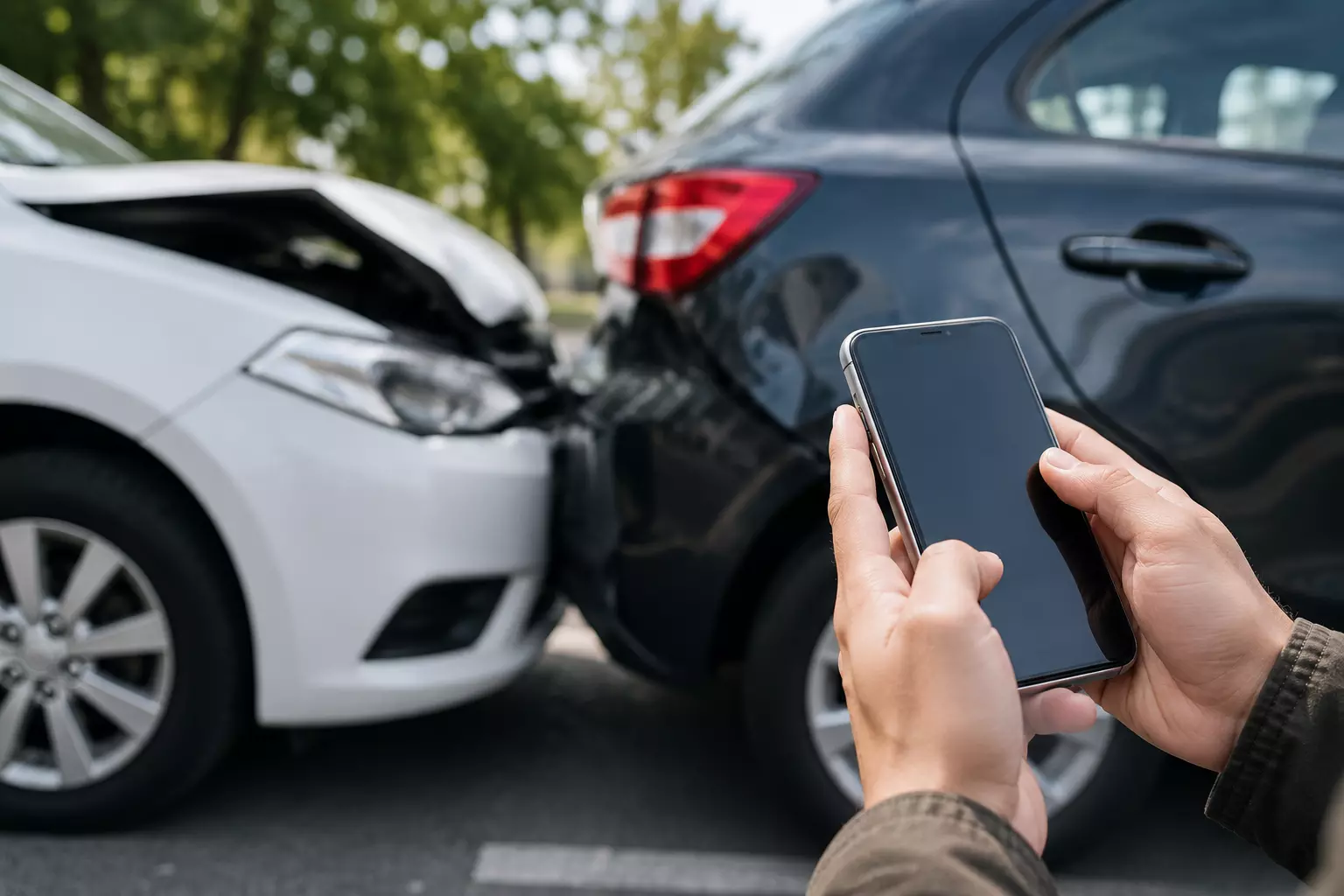
2. Take Plenty of Photos
Photograph everything before the vehicles are moved whenever it is safe.
Include:
- Vehicle damage
- License plates
- Road conditions
- Weather
- Traffic signs
- Street names
- Skid marks
The more documentation you have, the stronger your claim becomes.
3. Exchange Information
Collect:
- Driver's license information
- Insurance details
- Contact information
- Vehicle registration
Verify the information before leaving the accident scene.
4. Seek Medical Attention
Some injuries do not appear immediately after an accident.
Prompt medical treatment:
- Protects your health.
- Creates medical documentation.
- Supports your insurance claim.
5. Notify Your Insurance Company
Report the accident as soon as possible.
Provide factual information and avoid guessing or admitting fault.
Can Insurance Deny Your Claim Without Witnesses?
Not simply because there were no witnesses.
However, a claim could become more difficult if:
- Evidence is limited.
- Driver statements conflict.
- The accident scene was poorly documented.
- There are no photos or reports.
- Liability cannot be established.
Strong documentation often matters more than eyewitness testimony.
What Happens If Both Drivers Blame Each Other?
This situation is common when no independent witnesses exist.
Insurance companies may examine:
- Police reports
- Vehicle inspections
- Physical evidence
- Expert accident reconstruction
- Medical records
- Available video footage
Depending on state law, insurers may assign fault to one driver or determine that both drivers share responsibility.
Read: 9 Hidden Advantages of KingKongqb Car Accident Referral
How to Strengthen Your Claim Without Witnesses
You can improve your chances of a successful claim by:
- Taking detailed accident scene photos.
- Filing a police report.
- Seeking immediate medical care.
- Saving repair estimates.
- Keeping copies of medical bills.
- Recording the date, time, and location.
- Maintaining communication records with your insurance company.
Organization and documentation often become the strongest evidence available.
Common Mistakes to Avoid
Avoid these common errors after an accident:
- Leaving the accident scene too quickly
- Failing to call the police
- Not taking photographs
- Delaying medical treatment
- Posting accident details on social media
- Admitting fault before the investigation
- Missing insurance reporting deadlines
These mistakes can weaken an otherwise valid insurance claim.
Frequently Asked Questions
Can I win an insurance claim without witnesses?
Yes. Many successful insurance claims are resolved without eyewitnesses. Strong evidence such as police reports, photographs, dashcam footage, and vehicle damage can establish fault.
Does a police report replace a witness?
Not entirely, but it often provides valuable evidence that insurers use during their investigation.
What if the other driver lies?
Insurance companies compare each driver's statement with physical evidence, photographs, vehicle damage, and official reports to determine credibility.
Are photos enough to prove fault?
Photos alone may not always prove fault, but when combined with police reports, medical records, and vehicle damage, they can significantly strengthen your case.
Conclusion
A car accident without witnesses does not automatically mean your insurance claim will fail. Insurance companies evaluate many types of evidence, including police reports, photographs, vehicle damage, medical records, dashcam footage, and surveillance video to determine liability.
The key to protecting your claim is acting quickly after the accident. Document everything, report the incident promptly, seek medical attention if necessary, and keep detailed records throughout the claims process.
Even without eyewitnesses, thorough documentation can provide the evidence needed to support your case and improve your chances of receiving fair compensation.