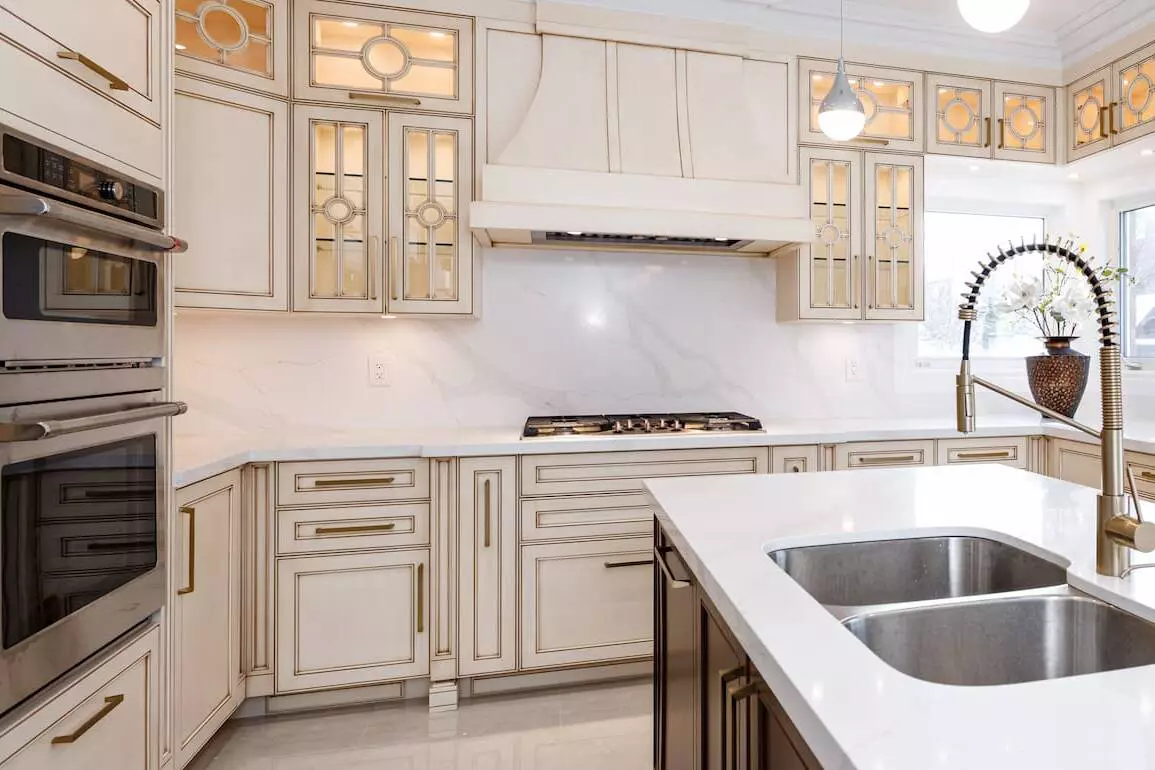
What Features Should Every Custom Kitchen Design Include?
A well-designed kitchen does more than provide a place to cook. It supports daily routines, improves organization, and adds lasting value to your home.
Many homeowners planning a renovation look at Custom kitchen islands for sale while exploring ways to maximize workspace and storage without sacrificing style.
Understanding the essential features of a thoughtfully planned kitchen helps you make smart decisions that balance beauty, comfort, and practicality.
Begin with a Functional Kitchen Layout
Every successful Custom kitchen starts with a layout that supports how the homeowner cooks, cleans, and entertains.
The arrangement of appliances, cabinets, and work surfaces should reduce unnecessary movement while keeping everything within easy reach. A practical floor plan creates a smoother cooking experience and allows multiple people to use the kitchen comfortably without feeling crowded.
A designer should carefully evaluate available space before recommending a layout.
Whether the room follows a galley, L-shaped, U-shaped, or open-concept design, the goal remains the same: create an efficient workflow that simplifies everyday tasks while maintaining an attractive appearance.
Include a Well-Planned Kitchen Island
A kitchen island often becomes the centerpiece of the room because it serves multiple purposes. Besides offering additional preparation space, it can provide seating, storage, and even house appliances like sinks or cooktops.
The ideal island should be sized according to the available floor space. It should allow enough room for comfortable movement while giving family members a convenient place to gather during meals, homework sessions, or casual conversations.
Read: Top Qualities to Look for in a Reliable Kitchen Cabinets Supplier
Prioritize Smart Storage Solutions
Storage plays a significant role in keeping a kitchen organized. Beautiful cabinets lose their appeal if they cannot hold cookware, pantry items, and small appliances efficiently.
Modern storage features include:
- Deep drawers for pots and pans
- Pull-out pantry shelves
- Corner cabinet organizers
- Built-in spice racks
- Vertical tray storage
- Hidden recycling compartments
- Drawer dividers for utensils
These practical additions help homeowners maximize every inch of available cabinet space while reducing clutter on countertops.
Choose Durable Countertop Materials
Countertops experience daily wear from food preparation, spills, and heat. Selecting durable materials ensures the kitchen remains attractive for many years with minimal maintenance.
Quartz remains popular because it resists stains and scratches while requiring little upkeep. Granite provides natural beauty and strength, while solid surface materials offer seamless designs that are easy to clean.
Homeowners should consider maintenance requirements alongside appearance before making a final decision.
Invest in High-Quality Cabinetry
Cabinets occupy a large portion of the kitchen's visual space, making them one of the most important design elements. Strong cabinet construction contributes to both appearance and long-term durability.
Soft-close drawers, solid wood construction, quality hardware, and adjustable shelving all improve everyday usability.
Well-built cabinets continue functioning smoothly long after installation, making them a worthwhile investment for any remodeling project.
Cabinet Styles Matter
Cabinet style influences the overall atmosphere of the kitchen. Shaker cabinets remain timeless because of their simple design, while flat-panel cabinets suit contemporary interiors.
Raised-panel options create a more traditional appearance. Choosing a style that complements the home's architecture helps create a cohesive design.
Plan Effective Lighting Throughout the Space
Lighting affects both function and appearance. A single ceiling fixture rarely provides enough illumination for food preparation or entertaining.
Successful kitchen lighting combines several layers:
- Ambient lighting for overall brightness
- Task lighting beneath cabinets
- Pendant lights over islands
- Accent lighting inside display cabinets
Together, these lighting sources improve visibility while adding warmth and visual interest throughout the room.
Select Energy-Efficient Appliances
Modern appliances improve convenience while helping homeowners reduce utility costs. Energy-efficient refrigerators, dishwashers, ovens, and ventilation systems consume less electricity without sacrificing performance.
Many appliances now include smart technology that allows users to monitor cooking progress, adjust temperatures remotely, or receive maintenance alerts through mobile devices. These features provide added convenience while supporting efficient household management.
Focus on Comfortable Workflow
An attractive kitchen should also make cooking enjoyable. Designers often organize kitchens into activity zones that separate preparation, cooking, cleaning, and storage areas.
Keeping frequently used items close to their respective workstations reduces unnecessary walking and improves efficiency. This thoughtful arrangement makes everyday cooking faster and less stressful for everyone using the kitchen.
The Importance of the Work Triangle
The classic work triangle connects the refrigerator, sink, and cooktop. Maintaining reasonable distances between these three points helps minimize movement during meal preparation.
Although modern kitchens have evolved, this principle continues to guide many successful layouts.
Add Personalized Features
One advantage of designing a Custom kitchen is the ability to include features that reflect individual lifestyles. Homeowners can incorporate details that match their cooking habits, storage needs, and entertainment preferences.
Examples include built-in coffee stations, wine storage, appliance garages, charging drawers, pet feeding stations, or dedicated baking centers. Personalized additions improve convenience while making the kitchen feel uniquely suited to its owners.
Select Flooring That Balances Beauty and Durability
Kitchen flooring must withstand heavy foot traffic, spills, and dropped cookware. Choosing durable materials helps maintain the room's appearance while simplifying maintenance.
Luxury vinyl plank, porcelain tile, engineered hardwood, and certain natural stone options offer attractive finishes with long-lasting performance. Slip resistance, comfort underfoot, and ease of cleaning should all influence the final selection.
Improve Ventilation for Better Air Quality
Cooking produces moisture, grease, smoke, and odors that should be removed efficiently. A quality ventilation system protects cabinets, walls, and ceilings from long-term damage while improving indoor comfort.
Properly sized range hoods capture airborne particles before they spread throughout the home. Quiet operation and adequate airflow make cooking more enjoyable while helping preserve the kitchen's cleanliness.
Incorporate Timeless Design Elements
Trendy designs may lose appeal after only a few years. Timeless kitchens combine neutral color palettes, simple cabinetry, durable finishes, and classic materials that remain attractive despite changing design preferences.
Homeowners can still introduce personality through decorative lighting, hardware, wall colors, or accessories that are easier to replace as styles evolve. This balanced approach helps protect the long-term value of the investment.
Make Maintenance Easy
Easy-to-clean surfaces reduce the effort required to keep the kitchen looking its best. Fingerprint-resistant finishes, stain-resistant countertops, washable backsplashes, and quality cabinet coatings simplify daily maintenance.
Designers should also avoid unnecessary crevices where dirt and grease can accumulate. Selecting practical materials allows homeowners to spend less time cleaning and more time enjoying their kitchens.
Plan for Future Needs
A thoughtful kitchen design should remain functional for many years. Planning ahead allows homeowners to adapt to changing family needs without requiring major renovations.
Features like wider walkways, accessible storage, adjustable shelving, and flexible seating arrangements make the kitchen comfortable for users of all ages. Investing in adaptable design today often prevents costly modifications later.
Conclusion
A successful kitchen combines thoughtful planning with quality materials and practical features that improve daily life.
From efficient layouts and smart storage to durable countertops, proper lighting, and personalized details, every element contributes to a space that works as beautifully as it looks.
A carefully planned Custom kitchen not only supports cooking and entertaining but also increases long-term home value.
By focusing on functionality, durability, and timeless design, homeowners can create a kitchen that continues meeting their needs for many years while remaining welcoming, organized, and enjoyable to use every day.