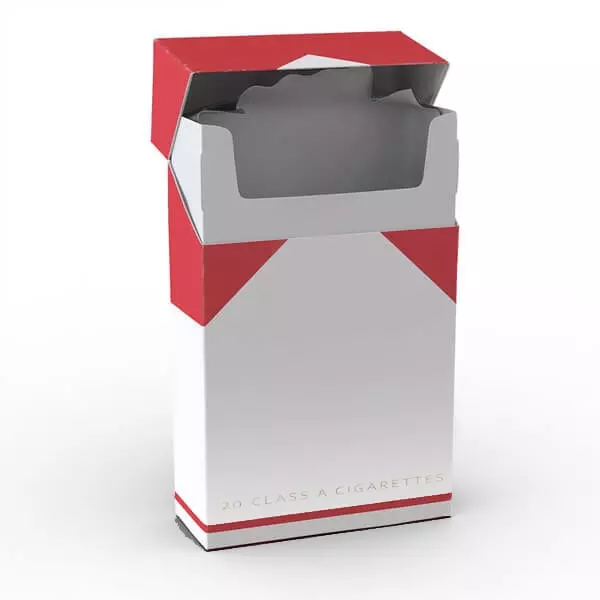
What Empty Cigarette Boxes Reveal About Trends
Empty cigarette boxes, often overlooked and thrown away, can actually say a lot about changing habits, consumer preferences, and design trends. They reflect cultural shifts, environmental awareness, and the choices people make every day. While they might seem like trash at first glance, these boxes reveal surprising insights into the world around us.
Changing Consumer Preferences in Packaging Design
Packaging design has shifted greatly over the years. Empty cigarette boxes are becoming more minimal and sleek. Brands are using fewer colors, modern fonts, and clean layouts. This reflects how buyers are now drawn to simple and elegant designs.
Many cigarette companies are reducing flashy graphics and moving toward flat, neutral tones. These changes are often made to match what the modern customer prefers: packaging that feels clean and less aggressive. Also, consumers now pay attention to packaging that looks responsible and mature. They don’t want to carry boxes that feel outdated or too bold.
Brands are also exploring limited-edition box designs that appeal to younger adults. These boxes often feature seasonal themes, local artwork, or pop culture references. This shows a trend where buyers want a sense of connection or uniqueness in what they buy.
Another thing to note is how the feel of the box matters now. Textures like matte finishes or soft-touch coatings are being used more often. This gives the box a premium look and feel, even if the product inside is the same.
Designs are no longer just about appearance. They are used as silent messages from the brand to the user. These messages reflect values, style, and personality. What people pick in design shows their own preferences too. This growing focus on packaging appearance shows how design has become a part of branding and lifestyle.
Rise of Health Warnings and Government Rules
Government rules have pushed tobacco companies to include strong health warnings on cigarette boxes. These warnings take up more space than ever before. As a result, the space left for branding and design is shrinking.
Many countries now require graphic images that show the health risks of smoking. These changes have led companies to adjust how they display their brand. They can no longer rely heavily on logos or taglines. Instead, the focus is often on the color of the box or small brand-specific design elements.
Because of these warnings, users are exposed to harsh truths every time they pick up a box. This constant reminder may play a role in people’s smoking habits. Some countries have even adopted plain packaging laws. These laws make it illegal for tobacco companies to use any logos or color designs at all.
As a result, consumers may start to identify brands based only on the box shape or the printed font. This shift limits how much creativity companies can use in packaging. Still, they are finding new ways to work within these rules. They may use subtle elements like embossing, folding styles, or specific shades to stand out.
All these efforts show how laws directly affect trends in packaging. Companies must balance between legal limits and brand identity. Empty cigarette boxes today show how this struggle shapes what we see and how we interact with tobacco products.
Eco-Friendly Packaging and Recycling Habits
A growing number of people are concerned about the environment. This shift has led to pressure on brands to adopt greener packaging methods. Many cigarette boxes are now made from recyclable or biodegradable materials.
The change in material is one of the first things you notice when holding newer boxes. They feel lighter or more textured because of the recycled paper used. Some companies are even using soy-based inks to reduce toxic waste during printing.
Consumers have started to care about how their purchases affect the planet. This includes what happens after the product is used. When someone throws away a cigarette box, they may think twice if the box shows a recycling symbol or “eco-friendly” message.
In some cities, recycling programs are being expanded to include small items like cigarette packaging. As more people follow sustainable habits, companies must meet those values. Failing to do so can hurt their image.
The look of boxes has changed too. Earth tones, leaf prints, or messages like “100% recyclable” are now common. These trends point to a future where design and purpose are linked closely. Even small items like cigarette boxes are becoming part of the global effort to reduce waste.
Street Culture and Creative Reuse of Boxes
In urban areas, empty cigarette boxes have found a second life in street art, fashion, and craft. Artists use them in collage projects or as part of mixed media artworks. This shows how a simple discarded item can carry cultural value.
Some people collect boxes from different brands or countries. The variation in color, font, and language turns these boxes into keepsakes or items for trade. This trend is especially visible online, where collectors share photos and swap boxes as a hobby.
In fashion and DIY circles, people are reusing these boxes in unexpected ways. They might turn them into wallets, tiny notebooks, or keychains. These items are sold at flea markets or handmade shops, showing how trends in reuse can change the value of something meant to be trash.
This creative reuse also reflects a larger movement toward mindful consumption. People want to waste less and find beauty in simple materials. In this way, empty cigarette boxes become more than packaging. They become part of a story.
These cultural shifts reflect a deeper appreciation for objects that carry identity. What was once overlooked now becomes part of street fashion or art. The presence of these reused boxes in urban culture shows how design and creativity continue to evolve.
Decline of Traditional Branding Through Logos
With the rise of strict packaging laws, many brands have lost the ability to display large logos. Logos used to be the main way for customers to recognize a cigarette brand. Now, that space is often taken up by health warnings.
Instead of logos, brands are now leaning on box color, font style, and size to set themselves apart. Customers begin to remember a product based on a certain shade of green or a bold font. This has changed the way people identify their favorite brands.
Some companies try to use specific textures or small design details like foil stamping. These allow them to maintain a unique identity without breaking any laws. It also means customers have to pay more attention to small things when making a purchase.
In many ways, this has taken the power away from large tobacco brands. The customer’s experience is now influenced more by regulation than by marketing. The box no longer tells a story through branding, but rather through design limitations.
This shift is an example of how rules change the way products are presented. Empty cigarette boxes today look more similar than ever before. But within those limits, smart companies are finding ways to express their brand quietly.
Urban Litter Patterns and Consumption Behavior
Empty cigarette boxes found on streets tell a story about human habits. In cities, they are often found near bus stops, parks, or outside nightclubs. This shows where people smoke and how they dispose of waste.
Public data from clean-up crews show that cigarette waste, including boxes, is still one of the most common forms of litter. The number of boxes found in certain areas can indicate which brands are popular in those locations.
By studying litter patterns, local governments can plan where to install bins or run awareness campaigns. It also helps researchers understand consumer behavior. If a certain brand’s box is found more often, it may mean that brand is growing in popularity.
Some communities now organize clean-up events focused on collecting and tracking cigarette waste. They post photos or reports about which types of waste are found. These actions are slowly influencing social habits.
When people see how much litter is caused by smoking, it may make them think differently. Trends in smoking habits, preferred brands, and waste management all come together in this type of study. This makes empty cigarette boxes not just trash but useful data.
Influence of Globalization on Box Design
The design of cigarette packaging is no longer local. Global trends are now shaping how boxes look and feel. This is especially clear in international brands that sell in multiple regions.
For example, a box designed in the U.S. may look almost the same in Europe or Asia. Global companies use similar fonts, shapes, and materials. This ensures their products feel familiar anywhere.
However, there are also efforts to localize certain features. Brands might change the warning labels or the language to meet local laws. In some cases, they add cultural symbols or colors that appeal to specific countries.
This blending of global and local design is known as “glocalization.” It allows companies to stay consistent while still respecting local trends. The result is a package that feels both familiar and unique.
Buyers may not realize they are part of a global pattern when they choose a brand. But the design choices made on those boxes reflect international trends. Empty cigarette boxes show how cultures influence each other in small but clear ways.
Collector Culture and Nostalgia Value
There is a growing group of people who collect cigarette boxes as part of vintage culture. These collectors are interested in how packaging used to look and what it says about the past.
Older boxes often featured bold fonts, gold trims, or detailed artwork. These designs are no longer allowed in many countries. As a result, older packaging has become more valuable and rare.
Collectors seek boxes from different decades and countries. They display them in albums or shadow boxes. Some people are drawn to these items because they remind them of past generations or family members.
This sense of nostalgia has helped create a subculture where cigarette packaging is seen as a form of history. It reflects how trends in design and social rules have changed over time. The way people used to smoke, advertise, and design packaging is now captured in these small boxes.
Collectors are preserving a part of visual culture that might otherwise be lost. Empty cigarette boxes from the past are helping people understand how branding and habits have evolved over the years.