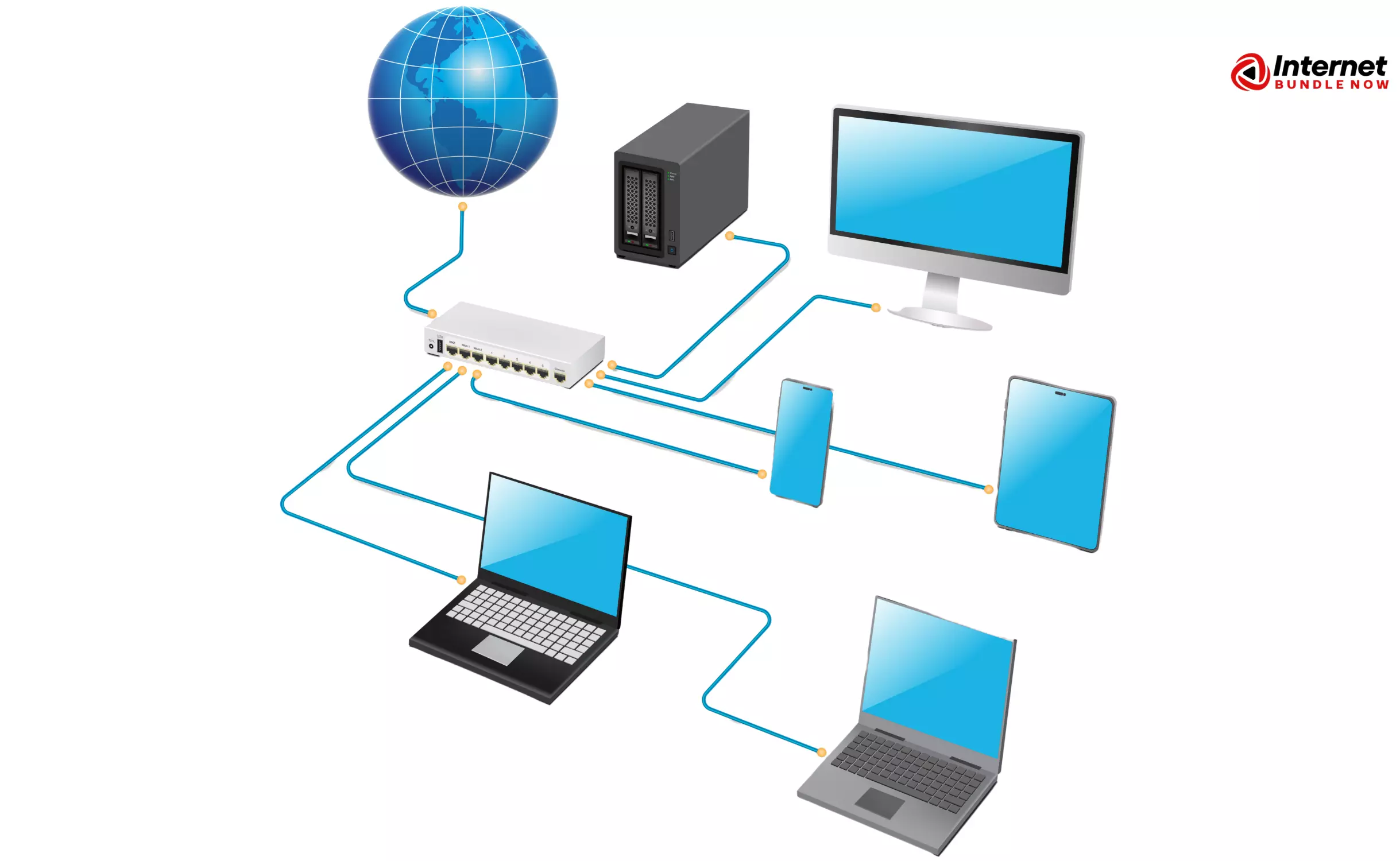
What Devices Work Best with Frontier Fiber and DSL Connections?
Choosing internet service isn’t just about speed device compatibility plays a major role in whether your connection performs smoothly. With both fiber and DSL infrastructure available through Frontier, users need to understand how their devices interact with each type.
The wrong equipment can bottleneck a strong signal or strain a slower one, while the right setup optimizes everything from file downloads to 4K streaming. At Internet Bundle Now, we guide users through device selection based on their plan, ensuring maximum utility from both Frontier DSL Plans and fiber connectivity without compromising stability or speed.
Understanding Frontier’s Fiber and DSL Differences from a Hardware Perspective
Frontier’s fiber service is built to support high-bandwidth, low-latency usage, making it ideal for homes with multiple devices or heavy streaming. On the other hand, Frontier DSL Plans are more widely available and serve households with modest internet needs.
Fiber’s symmetrical speeds accommodate advanced devices and simultaneous use, while DSL requires careful selection of devices to prevent traffic overload. When choosing equipment, understanding these baseline differences ensures you’re not using a fiber-optimized router on a DSL line or pushing a DSL modem beyond its capacity.
Routers That Perform Well on Frontier Fiber Infrastructure
Fiber internet demands hardware that can keep up with gigabit speeds and support high user density. Routers with dual or tri-band capability, Wi-Fi 6 support, and multiple gigabit Ethernet ports are essential in delivering consistent speeds across a home network.
Devices such as ASUS RT-AX88U or Netgear Nighthawk models pair effectively with fiber lines by enabling seamless performance for streaming, gaming, and conferencing. When selecting a router, compatibility with Frontier’s ONT (optical network terminal) and its capacity for mesh expansion are also crucial considerations.
Routers That Fit Best with Frontier DSL Plans
DSL connectivity is inherently more limited in speed and coverage, so the focus shifts to routers that optimize what bandwidth is available. Models that support ADSL or VDSL protocols are essential for proper synchronization with DSL lines. Combo units with built-in modems and routers streamline installation and reduce the need for multiple devices.
Popular DSL-compatible routers like the TP-Link Archer VR600 or the NETGEAR D6400 offer stable connectivity with firewall features and moderate wireless coverage for small to mid-sized homes using Frontier DSL Plans.
Why Mesh Wi-Fi Systems Are a Game-Changer for Fiber Users
In homes where devices are spread across multiple floors or rooms, even fiber bandwidth can struggle to reach every corner. Mesh Wi-Fi systems distribute the signal through multiple access points, eliminating dead zones and improving reliability for smart TVs, security cameras, and voice assistants.
Systems like Google Nest Wi-Fi or Eero Pro 6 mesh kits pair well with fiber infrastructure, allowing smart home ecosystems to perform without buffering or latency. These systems also adapt in real-time to bandwidth demands, which is ideal for users subscribed to premium Frontier fiber packages.
Devices That Work Efficiently on DSL Without Overloading the Connection
DSL plans are better suited to smaller households with basic internet needs. Devices such as laptops, standard-definition streaming sticks, and low-bandwidth smart appliances work well within this ecosystem. Wi-Fi printers, smart thermostats, and light automation systems can also function reliably on DSL as long as the network isn’t overloaded.
Choosing low-demand equipment that doesn't require continuous cloud syncing ensures that users on Frontier DSL Plans don’t experience slowdowns or interruptions when multiple devices are online.
Smart Home Products That Benefit Most from Fiber Connectivity
Fiber internet is built for bandwidth-heavy tasks, and the smart home experience thrives in that environment. Devices such as 4K smart TVs, advanced security systems with cloud storage, video doorbells with live HD feeds, and AI-driven voice assistants like Alexa and Google Home perform best on fiber networks.
These tools rely on real-time data exchange, and any lag or drop in service can affect their functionality. With the high throughput of Frontier fiber service, users can run a fully integrated smart home without performance dips especially when their network is configured by a knowledgeable Internet service Provider.
Gaming Devices That Require Stable Low-Latency Performance
Online gaming consoles such as PlayStation 5, Xbox Series X, and high-performance gaming PCs demand low latency and stable speeds. While DSL can accommodate casual gaming, fiber is the preferred environment for multiplayer and competitive gaming.
Devices that support Ethernet connections benefit even more when used in conjunction with fiber, which provides symmetrical upload and download speeds. Whether hosting online lobbies or streaming live to platforms like Twitch, fiber-backed connections managed by reliable Frontier Customer Service prevent packet loss and jitter issues during gameplay.
Desktop and Laptop Configurations for Optimized Use on Frontier Connections
Wired connections continue to outperform wireless when it comes to stability. For remote professionals or content creators, desktops with gigabit Ethernet ports and Wi-Fi 6 adapters are ideal companions to Frontier fiber. Meanwhile, laptops used on DSL should prioritize efficiency over background processes.
Closing cloud sync software during calls or minimizing simultaneous device usage allows Frontier DSL Plans to deliver a smoother experience. Whether using macOS or Windows, updated network drivers and modern chipsets ensure better adaptation to fluctuating connection speeds.
Home Office Gear That Functions Reliably on Frontier Networks
Video conferencing, file sharing, and remote desktop work require devices that consistently maintain connection without sacrificing audio or video quality. VoIP phones, webcams with 1080p resolution, and cloud-integrated storage drives work best when paired with routers and modems that align with the internet’s capacity.
For those on Frontier DSL Plans, simpler setups with bandwidth prioritization features are critical, while fiber users can run more advanced setups without strain. Internet Bundle Now helps assess each workspace setup and recommends devices tailored to either service type.
Conclusion
No single device is universally optimal it must align with the strengths and limitations of your internet plan. Users with Frontier DSL Plans must prioritize efficiency and simplicity in their home networks, while fiber subscribers have the freedom to build robust digital ecosystems that power smart homes, remote offices, and entertainment centers.
By selecting the right routers, mesh systems, and peripherals based on connection type, users gain smoother performance and longer-lasting reliability. With guidance from Internet Bundle Now and the ongoing support of Frontier Customer Service, every device on your network can operate at its full potential whether you’re running on DSL or fiber.