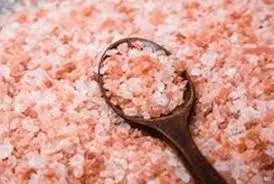
What Determines Current Pink Salt Price Trends Across Pakistan Markets
Pink salt is one of Pakistan’s most valuable natural resources, known worldwide for its unique color and mineral richness. This salt is mainly extracted from the famous Khewra Salt Mine, which is among the oldest and largest salt mines globally.
Its natural formation and appealing appearance make it highly desirable for culinary, health, and decorative uses.
In Pakistan, pink salt is widely used in households and industries. Its increasing popularity in international markets has also made it an important export commodity, contributing to the country’s economy.
As demand continues to grow, both locally and globally, the price of pink salt experiences regular fluctuations.
Current Pricing Patterns in Local Markets
The pink salt price in Pakistan varies depending on several factors, including quality, processing, and packaging. Raw or unprocessed salt is usually more affordable and commonly used for general cooking purposes. In contrast, refined or finely ground salt tends to be more expensive due to additional processing and cleaning steps.
Retail prices can also differ across cities. Urban areas often have slightly higher rates due to transportation costs and retail margins, while regions closer to mining areas may offer lower prices.
Packaged products, especially branded ones, generally cost more than loose salt available in local markets.
Factors That Influence Pink Salt Pricing
Several elements contribute to the changing price of pink salt in Pakistan. One of the most significant factors is the cost of extraction.
Mining operations require labor, equipment, and logistics, all of which add to the overall expense. Transporting salt from mining regions to major cities further increases costs.
Processing also plays a crucial role. Cleaning, grinding, and packaging raw salt require additional resources, which impact the final price. Branding and marketing efforts by companies further influence how products are priced in the retail market.
Another important factor is market demand. As more consumers prefer natural and organic products, the demand for pink salt increases. This rising demand can lead to price adjustments, especially for premium-grade products.
Different Types of Pink Salt and Their Prices
Pink salt is available in various forms, each with a different price range. Edible salt is the most common type, used in cooking and available in both coarse and fine textures. It is often preferred for its natural origin and mineral content.
Bath salts and spa products are another category, usually sold as larger crystals and marketed for relaxation and skincare purposes. These products are priced higher due to their specialized use.
Decorative items such as salt lamps, candle holders, and tiles are also popular and tend to be more expensive because of their design and craftsmanship.
Impact of Export Demand on Local Prices
Pakistan is one of the leading exporters of pink salt, supplying it to countries around the world. International demand plays a major role in determining local prices.
When export orders increase, suppliers may prioritize global markets, which can lead to higher prices domestically.
On the other hand, when export demand decreases, more supply becomes available within Pakistan, potentially stabilizing or lowering prices.
This close relationship between global demand and local availability highlights the importance of pink salt in international trade.
Quality Grades and Market Differences
The quality of pink salt varies, and this directly affects its price. High-grade salt is usually uniform in color, free from impurities, and carefully processed. It is often exported or sold as premium products at higher prices.
Lower-grade salt may contain impurities or inconsistent coloring, making it more affordable. This type is commonly used for industrial purposes or sold in bulk in local markets. Consumers can choose between different grades based on their needs and budget.
Availability in Retail and Online Platforms
Pink salt is widely available across Pakistan through grocery stores, supermarkets, and specialty shops. In recent years, online platforms have also made it easier for consumers to access a variety of pink salt products.
Prices on online platforms may differ from physical stores due to delivery charges, packaging, and brand reputation. While branded products are often more expensive, they provide convenience and quality assurance, which appeals to many buyers.
Consumer Trends and Health Awareness
The growing awareness of health and wellness has significantly increased the demand for pink salt in Pakistan. Many consumers believe it contains beneficial minerals and consider it a healthier alternative to regular table salt.
This perception has contributed to the rising popularity of pink salt, especially among urban consumers. As more people shift towards natural products, the demand for high-quality pink salt continues to grow, influencing its price in the market.
Read: Moments in Bloom: From Infant Pinks to Mommy-and-Me Elegance
Future Outlook of Pink Salt Prices
The future of pink salt pricing in Pakistan depends on multiple factors, including production costs, export trends, and consumer demand. With increasing global interest in natural and organic products, the demand for Himalayan pink salt is expected to remain strong.
Efforts to improve processing, packaging, and branding within Pakistan may also impact prices. By adding value to the product, producers can compete more effectively in international markets while maintaining stable prices locally.
Conclusion on Pink Salt Price Trends
Pink salt is a versatile and valuable resource that holds both economic and cultural significance in Pakistan. Its price is influenced by factors such as extraction costs, processing, quality, and international demand.
Understanding these elements helps consumers make informed decisions when purchasing pink salt for cooking, health, or decorative purposes.
As the market continues to evolve, pink salt will remain an important product with strong demand both locally and globally.