What Are the Simplest Methods That Show How to Calculate Interest Correctly?
Understanding how to calculate interest is a fundamental skill, whether you’re managing personal finances, considering a personal loan for women, or looking to navigate the world of investments.
In this article, we will explore the simplest methods for calculating interest, breaking it down into digestible tips and techniques.
Introduction to Interest Calculation
Before delving into the methods of calculating interest, it’s essential to grasp what interest is.
Interest is the cost of borrowing money, generally expressed as a percentage of the amount borrowed, or principal. It can either be simple interest or compound interest. The method you choose will depend on your specific financial situation and needs.
Simple Interest vs. Compound Interest
- Simple Interest is calculated on the principal amount only. It is straightforward and commonly used for short-term loans or investments.
- Compound Interest, on the other hand, is calculated on the principal amount plus any interest that has previously been added. This means that you earn interest on both your initial investment and on the interest that has accrued over time.
Understanding the differences between simple and compound interest will enable you to make more informed decisions when calculating your interest rates.
Method 1: Calculating Simple Interest
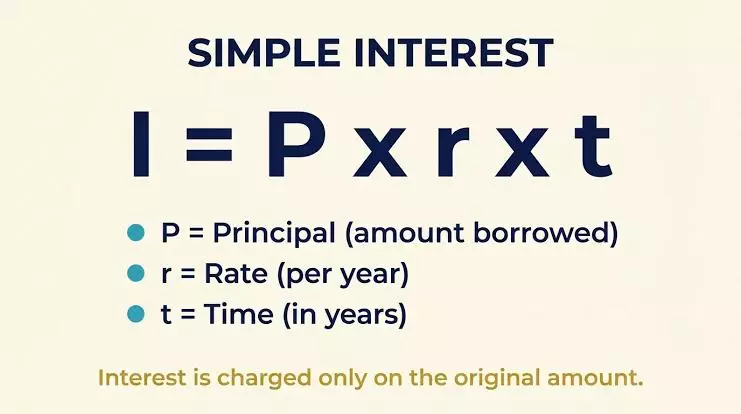
Calculating simple interest is easy and can be done with a straightforward formula:
Simple Interest Formula:
SimpleInterest(SI)=Prt
Where:
- P = Principal amount (the initial amount of money)
- r = Annual interest rate (in decimal form, so 5% becomes 0.05)
- t = Time (in years)
Example of Simple Interest Calculation
Suppose you take a personal loan for women with a principal of $10,000 at an annual interest rate of 5% for 3 years. The calculation would be:
SI=10,0000.053=1,500
So, the total interest you would pay over 3 years is $1,500.
Benefits of Simple Interest
- Clarity: It’s easy to understand, making it straightforward for those new to finance.
- Predictability: With simple calculations, you can quickly gauge how much you’ll owe.
Method 2: Calculating Compound Interest
Compound interest can be a little more complex but is essential for long-term investments or loans as it reflects the true cost of borrowing.
Compound Interest Formula:
A=P1+rnnt
Where:
- A = the future value of the investment/loan, including interest
- P = principal investment amount (the initial deposit or loan amount)
- r = annual interest rate (decimal)
- n = number of times that interest is compounded per unit t
- t = time the money is invested or borrowed for, in years
Example of Compound Interest Calculation
Let’s say you take out a personal loan for women amounting to $10,000 at a 5% annual interest rate compounded annually for 3 years. The calculation would be:
A=10,0001+0.05113=10,0001+0.053=10,0001.15762511,576.25
So, the total amount you would owe after 3 years is about $11,576.25, making the interest paid approximately $1,576.25.
Benefits of Compound Interest
- Growth: Often leads to higher returns or costs over time compared to simple interest.
- Reinvestment: Encourages investing, as you can have your interest earn interest.
Read: Personal Loans Made Easy: Get Instant Funds Online with
Method 3: Using Online Calculators
If calculations seem daunting, Bajaj Finance calculators can help you determine interest rates without manual computation.
Enter your values in the fields provided, and you’ll receive instant results. This is particularly advantageous for more complex scenarios that might involve variable compounding periods.
Method 4: Employing Excel or Spreadsheet Software
For those who are comfortable using technology, spreadsheet software like Microsoft Excel or Google Sheets can effectively calculate interest.
You can easily set up formulas to compute both simple and compound interest, allowing you to visualize the long-term effects of different interest rates, loan amounts, and time frames.
Importance of Understanding Interest Calculations
- Financial Literacy: Knowing how to calculate interest empowers you to make informed decisions regarding loans, investments, and savings.
- Budgeting: Understanding what you will owe in interest helps with budgeting and planning for future expenses.
- Choosing the Right Loan: Women seeking personal loans can compare different offers, understanding how interest rates will impact their repayment schedules.
Real-Life Application: Personal Loans for Women
Bajaj Finance offers specialized personal loans for women. It’s crucial to calculate the interest on these loans accurately before making a commitment.
Women may prefer Bajaj Finance due to targeted benefits, such as lower rates or tailored terms. By comprehensively understanding interest calculations, women can secure the best financial products available to them.
Conclusion
Calculating interest accurately is a skill that everyone should learn, especially when dealing with loans, investments, or personal finances. Simple interest and compound interest are foundational concepts that serve different purposes in financial planning.
By using the methods outlined in this article—manual calculations, online calculators, or spreadsheet formulas—you will be well-equipped to manage your monetary obligations wisely. Whether you’re
considering a personal loan for women or investing your savings, understanding how to calculate interest correctly will ensure that you are making decisions that are in your best financial interest.
Remember, financial literacy is a powerful tool that can help you achieve your dreams and secure your financial future.