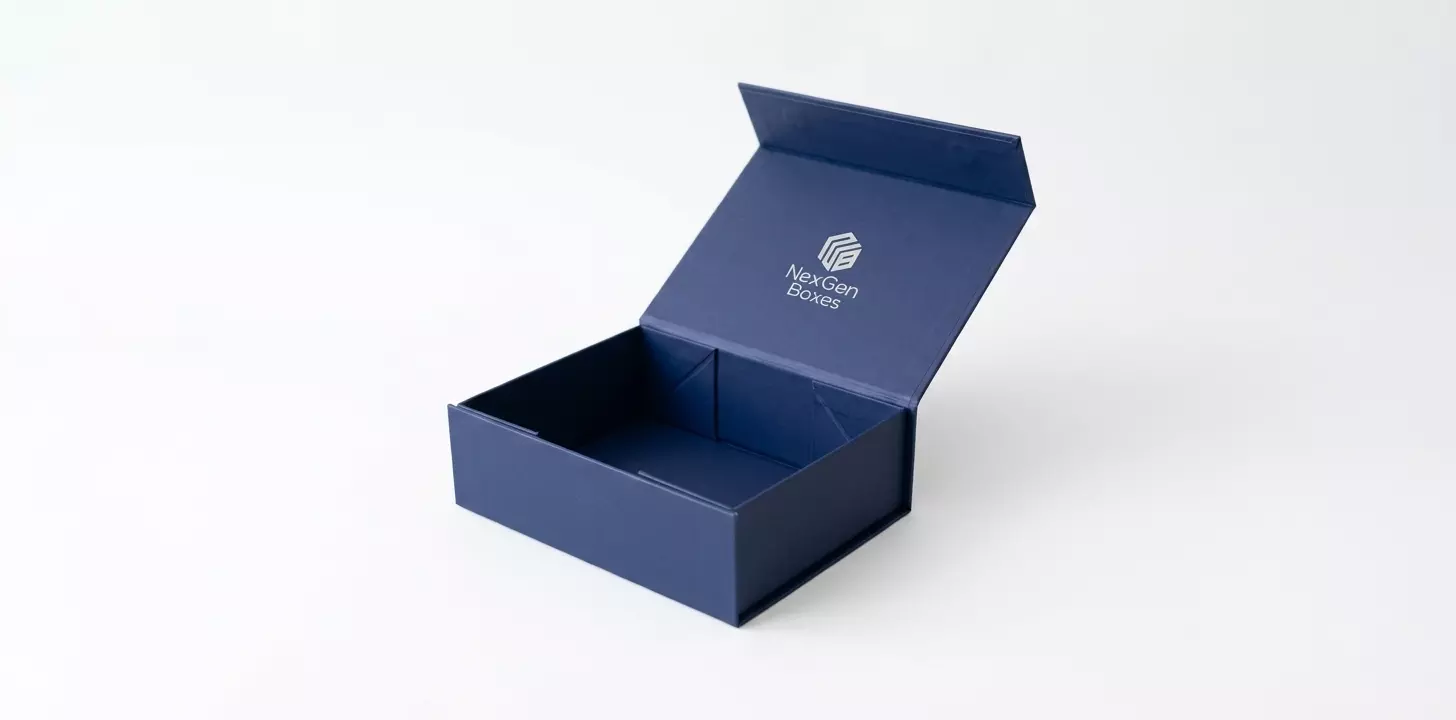
What Are the Different Types of Folding Rigid Boxes
Packaging structure affects more than appearance. Folding boxes can combine the sturdy feel of rigid packaging with folding features that make storage, shipping, and handling more practical.
This makes them useful for brands that want a premium presentation without relying on one fixed box format.
The term folding rigid boxes can describe several packaging structures, including collapsible boxes, hinged boxes, book style boxes, and other designs that use rigid boards with flexible joints. The right option depends on the product, opening experience, storage needs, and packaging process.
What Are Folding Rigid Boxes?
Folding rigid boxes are made with thick paperboard, commonly greyboard or chipboard, combined with flexible joints or folding sections. Unlike standard folding cartons, they retain much of the firm structure associated with rigid packaging.
Traditional rigid boxes are generally produced in their final shape. Folding and collapsible versions use engineered joints, wrapped panels, or other construction methods that allow selected sections to fold.
This creates an interesting balance between structure and flexibility. A brand can choose a premium box with a solid feel while also considering how empty packaging will be stored or transported.
What Are the Main Types of Folding Rigid Boxes?
Different structures create different opening experiences and practical benefits. Here are some common formats brands may consider.
1. Collapsible Rigid Boxes
Collapsible rigid boxes are designed to fold flat when they are not being used. The rigid panels are connected through flexible sections, tabs, wings, or other folding mechanisms.
Once assembled, the box forms a firm structure suitable for products, gifts, and retail presentation. This format can be useful when warehouse space or transportation volume is an important consideration.
Common uses include:
- Ecommerce packaging
- Subscription products
- Gift sets
- Apparel and accessories
- Promotional packaging
2. Book Style Rigid Boxes
Book style boxes open from one side like a hardcover book. The hinged cover can include a magnetic closure, while the inside can be customized with an insert or printed artwork.
This format works well when the opening experience is an important part of the packaging. It is often used for premium gifts, cosmetics, electronics, product kits, and promotional sets.
3. Hinged Lid Rigid Boxes
A hinged lid connects directly to the base instead of being completely separate. This gives customers a simple opening motion and keeps the main components connected.
Hinged structures can be designed with different closures and interior configurations. They are useful when a brand wants a reusable box that opens easily without requiring the customer to remove a separate lid.
4. Magnetic Folding Rigid Boxes
Magnetic packaging uses concealed magnets to keep the cover closed. The magnetic mechanism can be combined with a book style or other hinged structure.
The closure creates a controlled opening and closing experience. However, the magnet strength and placement should match the lid size and weight to ensure reliable performance.
5. Folding Drawer Style Boxes
Some rigid packaging combines folding components with a sleeve and sliding tray. The customer pulls the inner tray outward to reveal the product.
A ribbon or pull tab can be added to make the tray easier to open. This structure is often considered for jewelry, cosmetics, accessories, stationery, and compact product sets.
How Do You Choose the Right Folding Rigid Box?
Choosing a box should begin with the product rather than the visual design. A beautiful structure still needs to protect the product and work efficiently during packing, storage, shipping, and customer use.
Consider these factors before selecting a format:
Product size and weight
Measure the product carefully and determine how much internal space is required. Heavy or fragile products may require stronger board construction or a fitted insert.
Opening experience
Think about how customers should interact with the packaging. A book style opening creates a different experience from a sliding drawer or separate lid.
Storage requirements
If empty packaging occupies too much warehouse space, a collapsible structure may provide a more practical solution.
Inserts
Inserts can keep products secure and organized. They can also create separate sections for accessories, instructions, cards, or multiple products.
Closure
Magnetic closures, ribbons, friction fits, and other mechanisms can change how the box feels and functions. The closure should match the product and intended customer experience.
Read: Luxury Rigid Box Packaging: Premium Unboxing That Builds
What Should You Ask a Rigid Box Packaging Supplier?
Working with the right rigid box packaging supplier can make the design and production process easier. Instead of discussing only colors and artwork, brands should provide clear structural information.
Ask about:
- Available box structures
- Board thickness and material options
- Custom dimensions
- Insert materials and designs
- Printing and finishing options
- Folding and assembly methods
- Sampling or prototyping
- Production timelines
- Packaging and shipping requirements
- Minimum order quantities
A sample is particularly useful for custom structures. It allows a brand to check the fit, hinge movement, closure, artwork alignment, insert placement, and overall appearance before committing to a larger production run.
Brands can also compare different rigid packaging structures through NexGen Boxes, which offers several custom rigid box formats, including collapsible and booklet structures.
How Packaging Trends Are Shaping Box Design
Packaging decisions are increasingly influenced by more than shelf appearance. PMMI's 2025 Global Packaging Trends report highlights convenience, material changes, sustainability, premiumization in selected categories, and operational resilience as important areas shaping packaging decisions.
This does not mean every brand needs a folding rigid structure. Instead, it shows why packaging teams should consider the full product journey.
For example, a brand shipping directly to customers may prioritize storage efficiency and assembly. A luxury gift brand may place greater emphasis on the opening experience. A retailer may focus on shelf presentation, product protection, and consistent branding.
Material choices also deserve attention. PMMI's 2025 material report notes that cost, product protection, equipment compatibility, and changing sustainability expectations can influence packaging decisions.
The right choice depends on the product, packaging workflow, shipping requirements, and desired customer experience. Brands should compare these factors before selecting a structure and should test a physical sample whenever possible.
Final Thoughts
A reliable rigid box packaging supplier should be able to discuss structure, materials, inserts, closures, printing, and production requirements rather than focusing only on the artwork.
By starting with the product and working through storage, protection, opening experience, and branding needs, businesses can select a rigid packaging format that supports both practical operations and a strong customer experience.