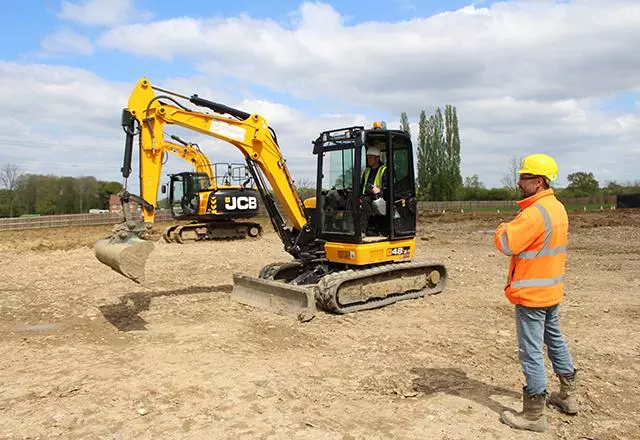
What Are CPCS Training Courses and Who Needs Them?
Working with heavy machinery requires more than practical experience. Employers expect operators to have the right skills, knowledge, and recognized qualifications before working on construction sites. This is where CPCS training courses play an important role.
Whether you're starting a career in construction or looking to improve your qualifications, understanding CPCS training can help you make informed decisions. In this guide, we'll explain what CPCS training courses are, who should take them, what you'll learn, and how they can benefit your career.
What Are CPCS Training Courses?
- CPCS training courses are professional training programs designed for individuals who operate plant machinery in the construction industry. CPCS stands for the Construction Plant Competence Scheme, one of the UK's most recognized certification schemes for plant operators.
- These courses combine classroom learning with practical training and assessments. After successfully completing the required tests, candidates can apply for a CPCS card, demonstrating that they have the knowledge and practical skills needed to operate construction equipment safely.
- CPCS certification is widely recognized by construction companies and contractors throughout the UK.
Why Are CPCS Training Courses Important?
Construction sites involve heavy machinery, changing environments, and strict safety requirements. Proper training helps reduce accidents while ensuring equipment is operated correctly.
Some key benefits include:
- Improved workplace safety
- Better understanding of legal responsibilities
- Increased confidence operating machinery
- Better employment opportunities
- Industry-recognised certification
- Compliance with site safety standards
Many employers prefer or require CPCS-certified operators before allowing them to work on site.
Who Needs CPCS Training Courses?
CPCS training courses are suitable for many professionals working within the construction industry.
New Plant Operators
If you're planning to become a plant operator, CPCS training provides the essential knowledge and practical skills needed to begin your career.
Experienced Operators
Operators with practical experience but no formal qualification can use CPCS training to gain recognized certification and improve their employability.
Construction Companies
Many construction businesses encourage employees to complete CPCS training to meet health and safety requirements while improving workforce competence.
Self-Employed Contractors
Holding a CPCS card helps independent contractors demonstrate professionalism and competence when applying for projects.
Types of Machinery Covered
Different CPCS training courses are available depending on the machinery you want to operate.
Popular categories include:
- Excavators
- Forward tipping dumpers
- Ride-on rollers
- Telescopic handlers
- Loading shovels
- Mobile cranes
- Slinger signaller operations
- Compact cranes
- Dozers
- Skid steer loaders
Each course focuses on the safe operation, inspection, maintenance, and practical use of the selected equipment.
What Do You Learn During CPCS Training?
Although course content varies by machinery type, most CPCS training courses include the following:
Health and Safety
Understanding site hazards, safe working practices, and legal responsibilities.
Machine Controls
Learning how equipment operates and how to perform inspections before use.
Practical Operation
Hands-on training under qualified instructors to build confidence and competence.
Risk Assessment
Identifying potential hazards and preventing accidents on construction sites.
Daily Maintenance
Basic maintenance checks to ensure machinery remains safe and operational.
How Long Do CPCS Training Courses Take?
The duration depends on your previous experience and the machinery category.
Typical course lengths include:
- Beginner courses: 5–10 days
- Experienced worker assessments: 1–3 days
- Refresher training: 1–2 days
Training providers usually assess your experience before recommending the most suitable course.
What Is Required Before Taking a CPCS Course?
Most candidates should:
- Be at least 16 years old
- Have a basic understanding of English
- Hold the required health and safety qualification, where applicable
- Be physically capable of operating construction equipment
Some machinery categories may have additional entry requirements.
Read: Best Training Institute In Jaipur for Future-Ready Skills
How Are CPCS Training Courses Assessed?
Assessment usually includes two parts.
Theory Test
Candidates answer questions covering the following:
- Health and safety
- Machine knowledge
- Site hazards
- Safe operating procedures
Practical Test
Candidates demonstrate their ability to safely operate machinery under realistic working conditions.
Both assessments must be passed to achieve CPCS certification.
Career Benefits of CPCS Training Courses
Completing CPCS training courses can open the door to a wide range of opportunities within the construction sector.
Benefits include:
- Access to more construction projects
- Improved earning potential
- Greater employer confidence
- Industry-recognised qualification
- Enhanced workplace safety knowledge
- Career progression into specialist plant operations
Many employers actively seek qualified CPCS operators because certification demonstrates competence and commitment to professional standards.
How to Choose the Right CPCS Training Course
Before booking a course, consider:
- The machinery you want to operate
- Your current level of experience
- Whether you need beginner or experienced operator training
- Accreditation of the training provider
- Practical training facilities
- Pass rates and instructor experience
Choosing the right provider can significantly improve your learning experience.
Final Thoughts
CPCS training courses provide the knowledge, practical skills, and recognized certification needed to operate construction plant machinery safely and professionally.
Whether you're entering the construction industry for the first time or looking to strengthen your existing qualifications, CPCS training offers valuable career benefits and helps demonstrate your competence to employers.
Choosing an accredited training provider, gaining practical experience, and maintaining your certification can help you build a successful long-term career within the construction industry.