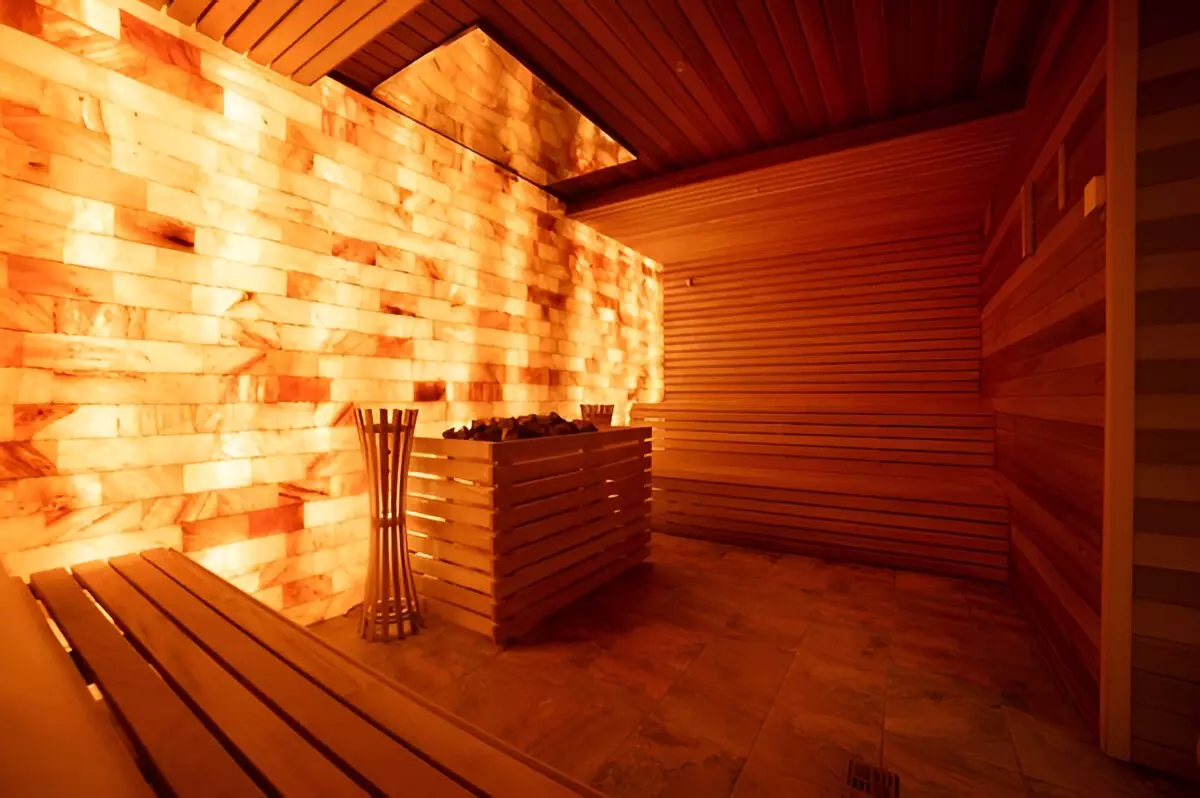
Wellness Routine with Salt Tiles in Spa Clubs
Nowadays, people visiting spas look for something deeper than services alone - something that lets them step away from noise, find quiet energy again.
Because of this shift, those running spas begin using salt tiles, building spaces where calm feels built into the walls, woven through daily care.
Picture building a daily rhythm with salt tiles at its core - these pieces shape calm spaces, lift the feel of any room. They slip into spas like quiet helpers, changing air and mood without fuss.
Think about placing them where people unwind, letting their presence do steady work. Each spot they touch gets a subtle upgrade, not loud but clear.
Client smiles grow easier when the surroundings breathe better. Even small corners bloom under their soft glow, making every visit stick in memory.
Understanding Salt Tiles Walls in Spa Environments?
Flat pieces of real Himalayan salt form these tiles. Usually found in spas, they build walls meant for calm or beauty. Light shines from behind them sometimes.
The stone gives off a gentle orange warmth when lit up. Their look changes depending on how the light hits.
Folks tend to spot these things inside places like
- Salt therapy rooms (halotherapy spaces)
- Relaxation lounges
- Sauna and wellness areas
- Meditation and yoga rooms
Next are Himalayan salt tiles, which provide warmth through a faint shimmer and organic diversity. Then come salt brick walls, stacking up character while influencing air and mood.
Each piece plays into spa settings, not by label but by effect - calm built slowly, layer by layer.
Salt Tiles Add to Daily Wellness
A Calm Visual Space
A quiet feeling grows through sight. Soft shades, along with smooth salt tile surfaces, ease tension on the eyes.
Soft lighting for calm spaces
Lit from behind, salt panels give off a soft glow. Harsh lights tend to break the calm, so that matters when soothing the mind and body during spa care.
How Natural Materials Affect Mental Wellbeing
It turns out quiet spaces often feel better when they include pieces from nature. Though salt tiles won’t heal, their look tends to soften a room’s energy.
A rough texture here, a warm glow there - these small shifts matter.
Building a wellness routine with salt walls
A wellness rhythm begins when the space moves like water, not boxed into corners. Each area breathes into the next, guided by quiet shifts instead of hard stops.
Pathways unfold slowly, shaped by pace rather than walls. Light leans across floors, changing how guests step forward. Sound slips under doors, threading spaces together. Movement matters more than markers. The body leads, pulled by feel instead of signs.
Welcome Transition Space
Start with a soft introduction to the space.
- Use a smallsalt wall panelin the reception or waiting area
- Keep lighting warm and subtle
- Play calming background music
- Fresh air eases minds, shifting attention inward instead of dwelling on earlier tension.
Salt Therapy Or Relaxation Room
Set up ideas:
Some spaces feature complete slat block panels. Others mix them into sections alongside different materials
Comfortable seating or lounge chairs
Controlled lighting with dimmers
Some people spend twenty to forty-five minutes here as part of their self-care routine. Some make it nearly 30 minutes, while others make it longer. Once they settle in, time moves differently.
This spot fits into their day like a quiet pause. Not rushed, just part of how they reset. Minutes pass without notice when they’re deep in the rhythm.
Additional Therapies Used Alongside
Enhance the experience by pairing salt rooms with:
- Massage therapy
- Aromatherapy sessions
- Infrared sauna treatments
- A single layer builds on another, forming depth in how it supports well-being.
Cool Down Time
After treatments, provide a quiet area with:
- Soft lighting
- Minimal decor
- Some versions include small tiles made of salt, if desired
- Leaving behind the rush, people carry a quiet moment forward instead.
- design and lighting approaches
- Lighting Is Key
- Lighting plays a big role in salt tiles work.
Best practices:
- Use warm LED lights (2700K–3000K)
- Install backlighting behind panels
- Avoid direct, harsh lighting
- Use dimmers to adjust the mood
- Layout Considerations
- Maybe a whole wall isn’t the answer. Think about it - sometimes less works better
- Feature walls behind seating areas
- Framed salt panels
- Mixed-material designs with wood or stone
- Material Pairing
Salt tiles work best when combined with:
- Natural wood
- Neutral fabrics
- Soft textures
- Indoor plants
- A space comes together when each part supports the whole. Smooth connections between elements make it work without effort.
Real spa examples and insights
Built into the corner of a small spa in New York, a quiet space lined with salt tiles slowly became guests’ favorite spot. Instead of rushing off after treatments, people began lingering, drawn by the soft glow and hushed air.
Word spread through whispers, not ads, as repeat visits quietly rose. Comfort wasn’t promised - it simply showed up in the stillness.
A different situation involved a wellness spot in California fitting salt wall panels into its yoga room. With soft lighting added, the mood shifted, so nighttime sessions drew bigger crowds.
A soft glow rises behind salt tiles set into the spa's sauna lounge. Not covering the whole wall, just one section holds them. Light slips through their edges, giving richness on a budget. The choice feels calm, never loud. Material speaks before price ever does.
What happens here depends less on how big something is. Instead, it turns out careful connections make the real difference. Size fades in importance when attention shapes each piece. Complexity does not always win. What sticks? How parts fit, quietly, without noise.
- Spa Owner Practical Tips
- Begin With One Feature Area
- Start small if it's your first time with salt design - maybe just one wall or a whole room at first. Try more later when you get used to how things go.
Focus On Client Experience
Ask yourself:
Is there a sense of calm in the room?
Does the light feel right?
Does the design support relaxation?
Work With Experienced Suppliers
Lasting performance hinges on how well things go together.
Maintain the Environment
Salt tiles require:
- Dry conditions
- Proper ventilation
- Minimal cleaning (dry cloth only)
- Actionable Takeaways
- Usesalt tilesto create a calming, immersive environment
- A morning stretch could come before coffee, then later, a walk replaces scrolling. Music might play while cooking, rather than being silent. Breathe deep when the day feels heavy. Notice how light moves across the room by late afternoon. Let small actions carry more weight than objects ever do
- Prioritize lighting and layout for best results
- Combine with complementary treatments like massage or sauna
Begin with a modest step. Grow only when customers show what works. Let their reactions shape the next move
Read: The Role of Hot Tubs in Stress Relief and Mental Wellness
Conclusion
From the first step inside, mood matters more than menu. Salt tiles shape that quiet welcome - soft air, steady calm. They linger in memory after guests go home. Space breathes easier because of them.
Starting with how things look, good light, and also movement through space, turns basic salt walls into something key for your spa vibe. This kind of setting makes guests come back, drawn by the calm it creates.
FAQ
1. How do salt tiles improve a spa environment?
A soft glow changes how the room feels, making it easier to unwind. Light shifts the mood slowly, almost without notice.
2. Are salt tile walls necessary for a wellness routine?
Though optional, these details bring something different - shaping how clients feel about the space.
3. How long should clients spend in a salt room?
Fifteen minutes here, half an hour there - really hinges on how the place runs things. Sometimes it stretches close to forty-five, especially if extras come into play.
4. Do salt tiles require special maintenance in spas?
True enough. Store items where air moves freely, keeping moisture away. A dry cloth works well when wiping down surfaces now and then. Place matters - dry spots help things last longer without surprise damage creeping in.