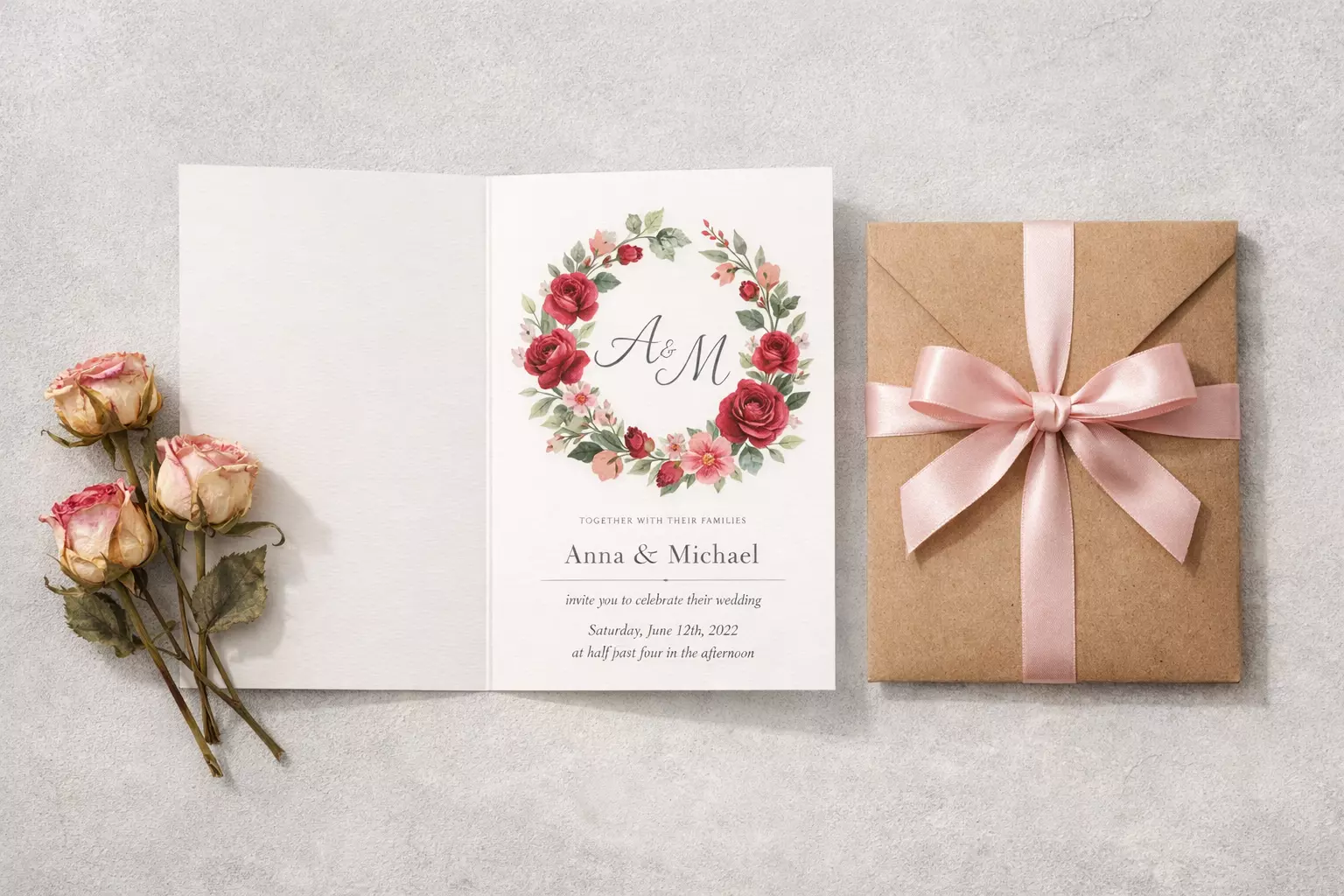
Wedding Invitations – More Than Just a Card, It’s the First Feeling
When people think about weddings, they usually picture the venue, outfits, decorations, maybe the food. But practically speaking, the first real step that reaches your guests is the wedding invitation.
It’s not dramatic. It’s not flashy.
It’s practical — and important.
Your invitation tells guests three things immediately:
- When the wedding is happening
- Where they need to be
- What kind of event they’re attending
Formal evening ceremony? Traditional family wedding? Small modern celebration? The design gives clues before a single word is read properly.
And here’s the truth — people do judge the event a little based on the invitation. Not in a negative way. Just naturally. A thin, simple card feels different from a thick textured one. Gold foil feels different from flat digital print. Details matter.
Choosing wedding invitations isn’t about overcomplicating things. It’s about making smart decisions — paper thickness, print style, quantity, timeline — so everything runs smoothly and looks appropriate for your event.
If you’re planning your wedding, this guide will help you understand what actually matters (and what doesn’t), so you can choose confidently without stress.
Why Wedding Invitations Still Matter
We live in a world of WhatsApp invites and digital RSVPs. Quick, easy, done.
But here’s the thing.
A physical wedding invitation has weight. Texture. Presence. It sits on a table. It gets pinned to a board. Some people even keep it for years.
In fact, according to wedding industry surveys, nearly 78% of couples still choose printed invitations for their main ceremony — even if they send digital save-the-dates first.
Why?
Because weddings are emotional events. And print feels personal.
What Makes a Wedding Invitation Truly Memorable?
Not the price. Not the trends.
It’s the details.
1. Paper Quality (Yes, It Matters More Than You Think)
Most premium wedding invitations are printed on:
- 250–350 GSM cardstock (thicker, durable, doesn’t bend easily)
- Textured cotton paper
- Handmade paper (popular for rustic weddings)
- Acrylic sheets (modern luxury look)
A 300 GSM card, for example, feels solid in hand and has a long shelf life. Properly stored, it can last 20+ years without fading if printed with high-quality ink.
People may not say it out loud… but they feel the difference.
2. Print Techniques That Elevate the Design
This is where things get interesting.
Some common wedding invitation printing styles:
- Foil stamping (gold, rose gold, silver)
- Embossing & debossing
- Letterpress
- UV spot printing
- Laser-cut detailing
Foil stamping alone can increase the perceived value of an invite by 30–40%. It reflects light. It feels rich. And in wedding photography? It looks stunning.
3. Typography That Tells a Story
- Classic serif fonts feel royal and traditional.
- Modern sans-serif feels clean and contemporary.
- Calligraphy feels romantic and timeless.
- The best invitations don’t overload fonts. Usually 2–3 font styles are enough. More than that — it starts to look chaotic.
- Less really is more here.
Popular Wedding Invitation Styles Right Now
Trends shift every year. But some styles consistently stand out:
Minimal & Elegant
Neutral tones. Clean layouts. Gold detailing. Understated luxury.
Floral & Romantic
Soft pastels. Watercolor flowers. Delicate script fonts.
Traditional Indian Wedding Cards
Rich reds, maroons, royal blues. Religious motifs. Multiple inserts for ceremonies.
Modern Acrylic Invitations
Transparent base with white or gold typography. Very premium look.
Eco-Friendly Invitations
Recycled paper. Soy-based ink. Seed paper cards that grow into plants.
Interestingly, eco-friendly wedding invitations have seen a 35% rise in demand over the past 3 years — especially among younger couples.
When Should You Print Wedding Invitations?
Timing is important. And often underestimated.
Here’s a practical timeline:
- 4–6 months before wedding – Finalize design
- 3–4 months before – Print invitations
- 8–10 weeks before event – Send invitations
- 3–4 weeks before – Collect RSVPs
Rushed printing can lead to mistakes. And wedding invites are not something you want reprinted last minute.
How Many Wedding Invitations Should You Order?
This part surprises many couples.
If you have 300 guests, you don’t need 300 cards.
You usually need 60–70% of your guest count (since families share one invite).
Example:
- 300 guests → approx. 180–200 invitations
Always print 10–15 extra copies for last-minute additions or keepsakes.
Common Mistakes Couples Make
Let’s be honest. These happen a lot:
- Spelling errors in names
- Wrong event timing
- Overcrowded design
- Choosing thin paper to save money
- Not ordering sample prints
One small typo can cost time and money. Always proofread at least 3 times. And ask someone else to review it too.
The Emotional Side of Wedding Invitations
- Here’s something people don’t talk about enough.
- Parents often keep one invitation framed.
- Grandparents store them in drawers.
- Some couples revisit them on anniversaries.
- It becomes a memory object.
- Years later, when everything else fades… the card is still there.
- That’s why quality matters. Not extravagance. Just thoughtful execution.
Are Digital Wedding Invitations Replacing Printed Ones?
Not completely.
Digital invites are perfect for:
- Pre-wedding events
- Destination weddings
- International guests
- Quick RSVP tracking
But for the main ceremony? Printed wedding invitations still dominate.
Many couples now choose a hybrid model:
Printed card + Digital RSVP link.
Smart. Practical. Elegant.
How to Choose the Right Wedding Invitation Printer
Look for:
- Portfolio with real samples
- Paper options above 250 GSM
- Clear printing methods explained
- Transparent pricing
- Proof approval process
- Estimated delivery timeline
Experienced printers usually recommend paper type, finishing, and envelope combinations based on your design — not just sell a template.
That’s the difference between printing and craftsmanship.
Budget Planning for Wedding Invitations
In India, wedding invitation costs typically range:
- ₹30–₹80 per card (standard designs)
- ₹80–₹250 per card (foil, embossing, premium paper)
- ₹250–₹600+ per card (luxury boxes, acrylic, customized inserts)
For 200 cards, budget can range from ₹6,000 to ₹50,000+ depending on customization.
It’s a wide range. But the key is balance — quality without unnecessary excess.
Read: Elevate Your Celebrations with Exquisite Wedding
FAQs – Wedding Invitations
1. What is the best paper thickness for wedding invitations?
Between 250–350 GSM is ideal. It feels premium, durable, and holds print well.
2. How long do wedding invitations last?
With quality ink and proper storage, printed invitations can last 20+ years without significant fading.
3. How many wedding invitations should I print?
Print around 60–70% of your total guest count, plus 10–15 extra copies.
4. When should I send wedding invitations?
Ideally 8–10 weeks before the wedding date.
5. Are eco-friendly wedding invitations durable?
Yes. Many recycled and seed paper options maintain good strength (around 200–300 GSM) and are environmentally responsible.
Final Thoughts
- Wedding invitations are not just formal announcements.
- They’re the first emotion.
- The first texture.
- The first impression of a day you’ll remember forever.
- Take your time with it. Feel the paper. See a sample. Read it out loud. Imagine someone opening it.
- And when it feels right — you’ll know.
- If you’re exploring design ideas or print options, speaking with an experienced wedding invitation specialist can make the process smoother (and honestly, less stressful).
- Because this isn’t just printing.
- It’s the beginning of your story.