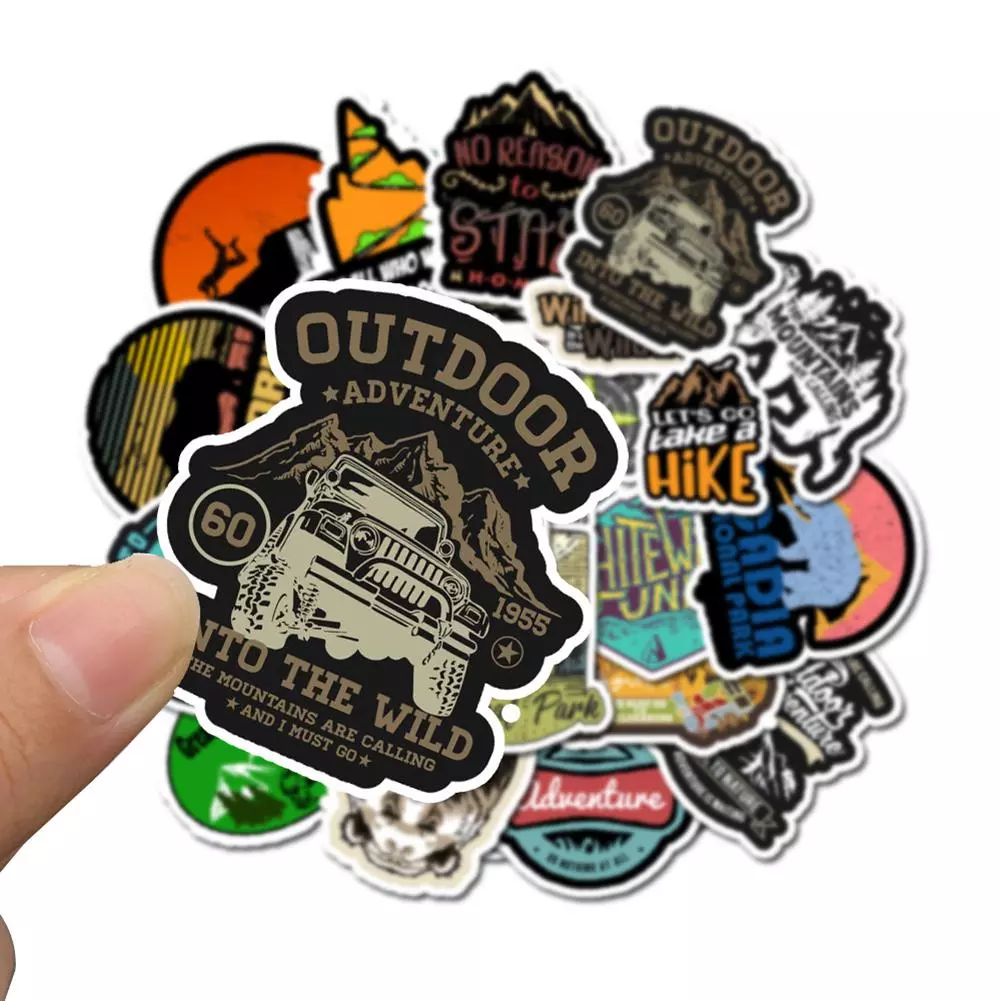
Weatherproof Labels for Product Packaging
Weatherproof Labels for Product Packaging
Why Weatherproof Labelling Matters
Product packs face rain, condensation, abrasion, and chemical contact from the factory line to the customer’s hands. A weatherproof label prevents smudging, peeling, and loss of critical information during these moments.
In many teams, the term Waterproof Stickers appears early in the brief because moisture resistance is a baseline expectation across food delivery, beverages, personal care, household chemicals, and outdoor goods. When labels stay intact, barcodes scan on the first attempt, safety text remains readable, and packages look consistent on shelves and during last-mile delivery.
Read: Waterproof Tarpaulin for Parking Lots and Vehicle Protection
Real-World Exposure Risks
Moisture comes from multiple sources: refrigerated storage, thaw cycles, spillages during filling, and rain during loading. Add UV exposure in transit and friction on conveyors, and labels must survive more than a simple splash. Planning for the harshest point in the journey ensures the label performs in every easier step.
Failure Modes That Hurt Performance
Common issues include ink bleeding, edge lift at corners, tunnel bubbles on curved bottles, and adhesive shear on wet or oily substrates. Each problem affects scanning accuracy and brand presentation. Addressing face stock, adhesive, and print method together prevents these failures from showing up in the field.
Waterproof Stickers in Retail and Logistics
Waterproof labelling is not limited to marine shipments. Grocery chillers, meal kits, bathroom products, garden tools, and courier parcels all encounter water and handling stress. A waterproof label keeps text clear after wiping, resists tearing during unpacking, and avoids the “wrinkled” look caused by humidity swings. Teams should match material to use case rather than assuming a single stock fits all SKUs.
Typical Use Cases by Sector
- Food and beverage: Bottles, jars, and clamshells that cycle between cold rooms and ambient aisles benefit from films that resist condensation.
- Personal care: Shower exposure demands labels that repel water and cleaning agents without losing adhesion.
- Household and garden: Spray cleaners, fertilizers, and outdoor accessories require chemical and UV resistance.
- E-commerce parcels: Rain, dew, and rough handling call for tough shipping labels that still peel cleanly from liners at high speeds.
Readability and Handling in Store
High-contrast designs and scuff-resistant topcoats keep text sharp after repeated touches. Edge rounding on corners reduces peel risk. For curved containers, specify materials with good conformability and an adhesive designed for low-surface-energy plastics if needed.
Materials and Adhesives for Harsh Conditions
Choosing a weatherproof construction means pairing the right face stock with the right adhesive and a liner that feeds smoothly on press and applicator. Paper can be used if laminated, but films provide the most reliable moisture barrier.
Face Stocks That Resist Water
- Polypropylene (PP): Cost-effective, good clarity for clear-on-clear effects, stable in coolers.
- Polyester (PET): Excellent dimensional stability and heat resistance; suited to hot-fill and industrial cleaners.
- Vinyl (PVC-free options available): Highly conformable for squeezable bottles and curved surfaces.
- Synthetic papers: Tear-resistant, writable options for logistics and outdoor tickets.
- If paper is mandatory for texture, protect with a durable laminate or UV-cured varnish to block wicking at the fibers.
Adhesives and Liners That Support Performance
- Acrylic permanent: Strong water and UV resistance for general use, including chilled chains.
- Rubber-based: Aggressive initial tack on uneven or slightly oily substrates; check temperature limits.
- Removable grades: For temporary promos that must cleanly peel without residue.
- Pair with a stable liner (glassine or PET) that runs reliably on automatic applicators and supports tight die-cuts without edge weave.
Read: The Ultimate Guide to Choosing a Waterproof Mailbox
Printing Methods and Durability Treatments
Ink chemistry and finishing choices define how well a label resists smudging, chemicals, and abrasion. Select the print system with the end environment in mind rather than by machine availability alone.
Inks, Toners, and Protective Layers
- UV flexo/UV inkjet: Fast curing, excellent rub resistance, rich solids for small text.
- HP Indigo and dry toner: Fine detail for cosmetics and premium beverages; often paired with laminates for wet areas.
- Durable topcoats: Clear films (PP/PET), UV varnish, or matte laminates protect against water, alcohol wipes, and detergents.
- For heavy-duty applications (marine drums, outdoor tools), specify higher-grade films and thicker laminates to resist scuffs and fading.
Barcodes, Variable Data, and Compliance Text
High-contrast artwork (deep black on light background) maximizes scan rates in damp light conditions. Leave quiet zones around codes and avoid placing them on high-curvature regions. For variable data, thermal transfer ribbons with resin or wax-resin blends deliver smear-resistant results on filmic labels. Critical safety statements should be set at a legible size with enough line spacing to remain clear after minor surface deformation.
Validation Testing and Regulatory Notes
Field performance comes from controlled testing that mirrors real handling. A small, well-designed test plan prevents costly relabeling during launch.
Test Protocols that Reduce Risk
- Immersion and spray: Timed water soak and spray cycles to confirm adhesion and legibility.
- Freeze–thaw and humidity: Cycles that reveal edge lift, tunneling, or fogging under laminates.
- Abrasion/rub: Simulates conveyor scuffing and shelf handling.
- Chemical exposure: Cleaners, oils, and alcohol wipes assessed against print and adhesive.
- UV aging: Accelerated light tests for outdoor and window display products.
- For marine and hazardous goods, many teams reference BS 5609 sections for label and print durability on drums and containers—align with your product’s legal scope before specifying.
Documentation to Request from Suppliers
Obtain a complete spec: face stock type and thickness, adhesive family with temperature range, liner description, recommended print systems, and finishing notes. Request ink/toner compatibility statements and sample roll data (core size, roll length, winding). Keep press proofs and application trials on file so repeat orders match prior performance.
Cost Planning, Sustainability, and Procurement Control
Weatherproof does not automatically mean high cost. Thoughtful standardization and responsible material selection help teams meet budget and environmental goals while maintaining performance.
Managing Cost Without Sacrificing Performance
- Standardize on two or three constructions that cover 80% of SKUs to leverage volume pricing.
- Use common die sizes to reduce tooling and speed changeovers.
- Print longer runs for base artwork, then add short-run variable data digitally to reduce waste.
- Choose a slightly stronger film rather than patch reinforcements at edges; this often lowers assembly time and scrap.
Sustainable Choices with Measurable Impact
- Select films with recycled content where available, or specify PP/PET grades compatible with local recycling streams.
- Use water-based inks and adhesives when print durability allows.
- Minimize plastics on paper labels by using barrier varnishes instead of heavy laminates when the exposure profile is mild.
- Add clear disposal guidance on-pack: “Wipe clean and recycle bottle; remove label if required by local rules.” Transparency builds trust and helps customers act correctly.
Implementation Roadmap for a Smooth Launch
Coordinating artwork, materials, and application speeds ensures labels perform from the first production batch. A clear checklist shortens timelines and reduces rework.
Read: Waterproof Notepad & Pen: Reliable Notes in Any Weather
Steps From Brief to Line Trials
- Define exposure profile (wet, chilled, outdoor, cleaning chemicals) and required life in weeks or months.
- Choose face stock and adhesive candidates; request A4 sheets and short roll samples.
- Print with intended process and finish; run lab tests described above.
- Conduct line trials at production speed, noting peel, flagging, and print abrasion at the labeler’s nip points.
- Record outcomes, lock specifications, and store dielines with revision control.
Vendor Collaboration and Ongoing Monitoring
Share forecast volumes and peak dates so converters can stage materials. Build a simple incoming-inspection checklist: visual check, adhesion spot test, barcode scan, and label count. After launch, review returns or store feedback monthly; small design updates—corner radius, laminate switch, or adhesive upgrade—often resolve recurring issues quickly.