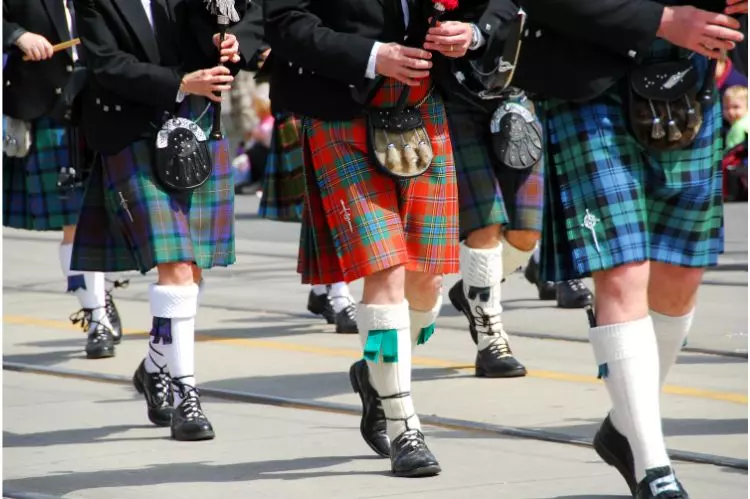
Wearing a Tartan Kilt with Pride: Celebrating Scottish Heritage
Scotland is a land rich in history, tradition, and pride. Among its most iconic symbols, none represent Scottish identity quite like the Tartan Kilts. Worn by both men and women, these beautifully patterned garments are more than just pieces of fabric—they are a statement of heritage, unity, and timeless elegance. For centuries, Scottish Kilts have stood as a proud emblem of the nation’s culture and spirit, connecting modern generations with their ancestral roots.
The Origins of the Tartan Kilt
The story of the kilt dates back to the 16th century, when early forms of the garment were worn by Highlanders as a practical outfit suited for the rugged terrain and harsh weather. These early kilts were known as the “Great Kilt” or Feileadh Mòr, a large piece of fabric that could be wrapped around the body and used as a blanket when needed. Over time, the garment evolved into the tailored Tartan Kilts we recognize today—stylish, symbolic, and steeped in tradition.
The term “tartan” refers to the specific patterns woven into the fabric. Each pattern, or sett, carries its own identity, representing a particular clan, district, or family. These patterns are often made up of different colors and designs that hold historical meanings. Wearing your clan’s tartan is not just about fashion—it’s an act of connection to your family’s past and Scotland’s national story.
Tartan Kilts as a Symbol of Identity
To wear a Scottish Kilt is to carry a piece of history. Every tartan pattern tells a story, often linked to a particular region or lineage. For many Scots, donning their family tartan is a matter of pride, representing loyalty and belonging. Even for those without direct Scottish ancestry, wearing a Tartan Kilt symbolizes admiration and respect for Scottish culture.
Over the centuries, kilts have transitioned from traditional Highland dress to a global fashion statement. They are now worn at weddings, festivals, parades, and even formal events around the world. No matter the setting, the Scottish Kilts stand as a proud reminder of Scotland’s heritage—simple yet majestic, rugged yet elegant.
The Role of Tartan in Scottish Heritage
Tartan is one of the most recognizable elements of Scottish culture. The colors and patterns often symbolize clan allegiance and local pride. In ancient times, the specific tartan one wore identified their kin or territory, much like a badge of honor. Even today, tartan continues to play a vital role in Scottish celebrations such as the Highland Games, St. Andrew’s Day, and Burns Night.
Wearing Tartan Kilts during these events is an act of cultural preservation. It keeps alive the values of bravery, family, and freedom—core principles that have defined Scotland throughout history. Each time someone steps out wearing a tartan, they contribute to keeping this unique aspect of Scottish identity alive for future generations.
Tartan Kilts in Modern Fashion
In recent decades, Tartan Kilts have become a fashion statement embraced far beyond the Scottish borders. Designers from around the world have incorporated tartan patterns into their collections, merging traditional craftsmanship with modern aesthetics.
Today, kilts are no longer restricted to ceremonial occasions. They are seen at global fashion shows, music festivals, and casual gatherings. Many young Scots and enthusiasts choose to wear kilts as a stylish alternative to trousers, blending comfort with heritage. The Scottish Kilt has found its place in the wardrobes of people who value authenticity and tradition.
Moreover, the versatility of kilts has made them suitable for both formal and informal settings. A finely tailored tartan kilt paired with a sporran, jacket, and belt can make for a perfect outfit for weddings or official events. On the other hand, casual kilts made from lighter materials are great for festivals and outdoor wear. This flexibility has ensured the kilt’s continued relevance in the 21st century.
Wearing the Kilt with Respect and Pride
While Tartan Kilts are admired for their beauty, wearing one comes with a sense of respect. For Scots, the kilt represents their history, bravery, and unity. It is often said that a man looks his best when he wears a kilt, not because of the fabric itself, but because of the pride it carries.
Wearing a kilt properly involves attention to detail. Traditionally, it should be worn with a kilt belt, a sporran (a small pouch worn around the waist), a kilt pin, and suitable footwear such as Ghillie brogues. Each accessory complements the look and upholds the integrity of the Scottish dress code.
For those of Scottish descent, wearing your clan’s tartan during family gatherings or national holidays can be a meaningful way to honor your roots. Even for those who are not Scottish, wearing a Scottish Kilt during cultural events demonstrates appreciation for the nation’s heritage and the values it represents.
Tartan Kilts in Celebrations and Ceremonies
From weddings and graduations to parades and Highland games, Tartan Kilts play an important role in Scottish life. During weddings, the groom often wears his family’s tartan as a mark of honor and loyalty. At the same time, guests and relatives may wear different tartans to signify unity among families.
In national events, such as the Royal Edinburgh Military Tattoo, performers dressed in tartans from various clans showcase Scotland’s pride and culture through music and dance. Similarly, during the Highland Games, kilts are worn by athletes, musicians, and spectators alike, creating an atmosphere of unity and tradition.
These occasions remind everyone of the strength, courage, and creativity that define Scottish culture. By wearing the Scottish Kilt, individuals express both personal pride and collective identity.
A Global Symbol of Heritage
Today, Tartan Kilts are recognized across the globe as a representation of Scottish culture. Whether worn in Edinburgh, New York, or Tokyo, the kilt stands as a universal symbol of heritage and authenticity. It connects people through a shared appreciation for history and craftsmanship.
Even people with no Scottish ancestry choose to wear kilts to celebrate events like Burns Night or Scottish-themed festivals. This widespread admiration reflects how the Scottish Kilt has transcended borders, becoming a global fashion item while retaining its deep cultural meaning.
Preserving the Tradition for Future Generations
The beauty of the Tartan Kilt lies not only in its colors or design but in the story it tells. Each fold, thread, and pattern speaks of a people who value courage, honor, and tradition. In a world that changes rapidly, maintaining such customs helps preserve cultural identity.
Modern manufacturers are also playing a role in sustaining this heritage by producing authentic Scottish Kilts using traditional weaving techniques. Many artisans ensure that each kilt is made to measure, offering both quality and authenticity. This dedication ensures that future generations can continue to wear their kilts with pride.
Conclusion
Wearing a Tartan Kilt is more than a fashion choice—it is a tribute to Scotland’s enduring heritage. It represents centuries of history, a celebration of culture, and a symbol of unity. Whether you wear it to honor your ancestry, celebrate Scottish traditions, or simply appreciate its timeless beauty, the Scottish Kilt allows you to connect with something greater than yourself.