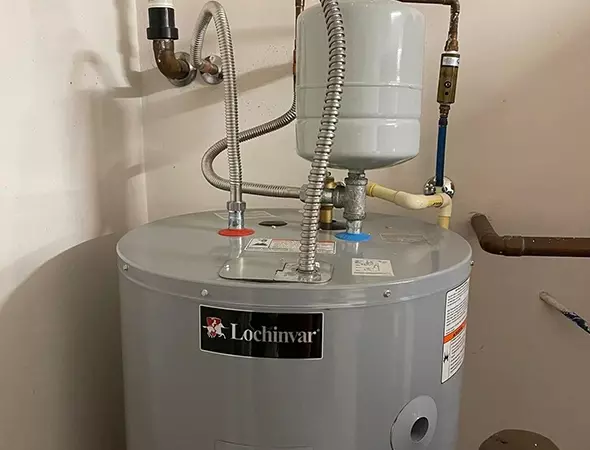
Water Heater Repair & Installation in Glendale, AZ
A cold shower on a hot Arizona morning is a small crisis most people never forget. When a water heater fails, it rarely gives much warning.
Understanding the basics of Water Heater Repair & Installation in Glendale, AZ can help households react quickly and avoid bigger problems down the line.
Water heaters work hard in this part of the state. Hard water, high mineral content, and heavy summer demand all take a toll. Knowing the warning signs and repair options makes a real difference for anyone managing a home here.
Why Water Heaters Struggle in the Desert
Arizona's water tends to be hard, meaning it carries a lot of dissolved minerals. Over time, those minerals settle at the bottom of a tank as sediment. This buildup forces the unit to work harder and shortens its lifespan.
Local plumbing professionals often point to sediment as the leading cause of early failure. A tank that once lasted 12 years might struggle after eight if it isn't flushed regularly.
Homes across Glendale, AZ also deal with seasonal temperature swings. When incoming water is cold in winter, the heater runs longer to keep up. That extra strain can expose weak parts before they fully break.
Common Signs a Water Heater Needs Attention
Most units drop hints before they quit. Rusty or discolored water is one of the clearest signals that corrosion is setting in. Strange popping or rumbling sounds usually mean sediment is boiling at the base of the tank.
Other red flags include water that never gets hot enough, pooling around the base, or a sudden spike in energy bills. A leak, in particular, should never be ignored, since it can lead to costly water damage.
Catching these signs early often means a simple repair rather than a full replacement. Waiting too long tends to flip that equation.
Repair or Replace? How the Decision Usually Gets Made
There's no universal answer, but a few practical guidelines help. Age matters most. A traditional tank heater older than a decade is often a better candidate for replacement than repair.
The cost of the fix compared to a new unit also plays a role. Technicians frequently use a rough rule: if a repair costs more than half the price of a new heater, replacement usually makes more sense.
Frequency of problems is the final factor. One isolated issue can be repaired. Repeated breakdowns, though, tend to signal a unit near the end of its life.
What a Proper Installation Involves
Installing a water heater is more involved than swapping out an appliance. Sizing the unit correctly to household demand prevents both shortages and wasted energy. Proper venting, secure connections, and code compliance all matter for safety.
This is where professional experience pays off. Companies such as Advantage Plumbing & Rooter LLC handle these details as routine work, but the principles apply to any qualified installer in the region.
A quality installation also considers water quality. In hard-water areas, adding a treatment system or scheduling regular flushing can protect the investment for years.
Read: Best Water Park Near Mansarovar Jaipur You Must Visit
A Related Concern: Shut-Off Valves
Water heaters aren't the only plumbing component that quietly wears out. Shut-off valves control the flow of water into a home or specific fixture, and they can seize or leak with age.
Homeowners searching for Water Shut-Off Valve Replacement in Surprise, AZ often discover the problem only during an emergency, when they can't stop a leak fast enough. A stiff or frozen valve is a common find in older homes.
Replacing a failing valve is a small task compared to the damage a burst pipe can cause. Many plumbers recommend testing main shut-off valves once or twice a year to confirm they still turn freely.
Real-World Scenarios Worth Preparing For
Picture a family returning from vacation to find a leaking tank in the garage. Because they knew where the main shut-off was, they stopped the water quickly and limited the mess. That single piece of knowledge saved them thousands.
Or consider an older rental property with an aging heater. Routine flushing and a simple valve check kept it running smoothly for years past its expected lifespan.
These situations show why basic plumbing awareness matters. Small habits, like knowing your shut-off location and scheduling maintenance, prevent big headaches.
Practical Habits That Extend Water Heater Life
A few simple routines go a long way in the desert climate. Flushing the tank once a year clears out sediment before it builds up. Checking the anode rod every couple of years protects against internal corrosion.
Setting the thermostat around 120 degrees balances comfort, safety, and efficiency. It also reduces mineral scaling that speeds up wear.
For anyone weighing Water Heater Repair & Installation in Glendale, AZ, these habits often decide whether a unit lasts eight years or fifteen.
Final Takeaways
Water heaters and shut-off valves rarely fail at convenient times. Watching for early warning signs, understanding when to repair versus replace, and keeping up with simple maintenance can spare homeowners in Glendale, AZ real stress and expense.
The smartest next step is a quick inspection: check the age of your unit, test your shut-off valves, and note any warning signs. A little attention now often prevents an emergency later.
Frequently Asked Questions
How long does a water heater usually last in Arizona?
Most traditional tank heaters last 8 to 12 years. Hard water and heavy use can shorten that, while regular flushing helps extend it.
Is it cheaper to repair or replace a water heater?
It depends on age and cost. If the repair runs more than half the price of a new unit, or the heater is over a decade old, replacement is often the better value.
What are the first signs of a failing water heater?
Common signs include rusty water, popping or rumbling sounds, water that won't heat properly, leaks around the base, and rising energy bills.
Why do shut-off valves need to be replaced?
Over time, valves can corrode, stiffen, or leak. A valve that won't turn during a leak can lead to serious water damage, so periodic testing is wise.
How often should a water heater be maintained?
Flushing the tank once a year and checking the anode rod every two to three years are common recommendations, especially in hard-water regions.