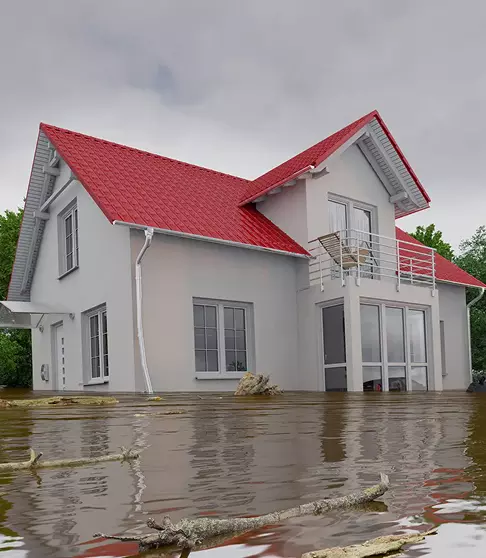
Water Damage Restoration Chicago: Cleanup, Drying, and Repair
Water damage can happen without warning, whether it comes from a burst pipe, a leaking appliance, heavy rainfall, or a flooded basement. Even a small amount of water can damage flooring, walls, furniture, and other parts of a property if you don't address it quickly.
For homeowners and business owners, water damage restoration Chicago services can help remove standing water, dry affected areas, and restore damaged spaces to a safe, usable condition.
Understanding the restoration process can help property owners respond quickly and reduce the risk of further damage.
Common Causes of Water Damage in Chicago
Chicago properties can experience water damage throughout the year. Cold winter temperatures may contribute to frozen or burst pipes, while heavy rainfall can overwhelm drainage systems and cause basement flooding.
The City of Chicago explains that intense storms can overload sewer systems, allowing water to enter basements through private sewer drains.
Plumbing leaks, broken water heaters, overflowing sinks, washing machine failures, and roof leaks are other common sources of water damage. In some cases, water may spread behind walls or beneath flooring before the problem becomes noticeable.
Identifying the source of the water is an important first step. The water supply may need to be shut off, a damaged pipe repaired, or a drainage issue addressed before restoration work can begin.
Signs Your Property Needs Water Damage Restoration
Not all water damage is immediately visible. While standing water and soaked carpets are obvious warning signs, other problems may develop gradually. Water stains on ceilings, bubbling paint, peeling wallpaper, warped flooring, and musty odors can indicate moisture inside a building.
Homeowners may also notice discoloration around windows, damp basement walls, or soft spots in drywall. These signs should not be ignored because moisture can remain trapped inside building materials long after visible water has been removed.
A professional inspection can help determine how far the water has spread and which materials require drying, cleaning, or replacement. Addressing the issue early can make the restoration process more manageable.
The Water Damage Restoration Process
Professional water damage restoration in Chicago generally involves several stages. The exact steps depend on the amount of water, the source of the damage, and the materials affected.
Water Removal and Extraction
The first stage is removing standing water from the property. Restoration professionals may use water extraction equipment and pumps to remove water from basements, carpets, and other affected spaces. Prompt extraction helps limit the time that floors, walls, and belongings remain wet.
The source of the water must also be considered. Water from a clean supply line presents different risks from sewage-contaminated floodwater. Potentially contaminated water requires appropriate protective measures and professional handling.
Structural Drying and Dehumidification
Removing visible water does not mean a property is completely dry. Moisture can remain inside drywall, wood, insulation, flooring, and other porous materials.
Air movers and dehumidifiers help remove trapped moisture and support the drying process. Professionals may use moisture meters to assess affected materials and monitor progress. Proper drying is especially important in basements and enclosed areas where moisture may be difficult to detect.
Cleaning and Sanitizing
Depending on the water source, affected surfaces and belongings may require cleaning, sanitizing, or specialized treatment. Items exposed to contaminated water may not be safe to keep without professional assessment.
Cleaning also helps remove dirt, residue, and unpleasant odors left behind by water intrusion. The appropriate treatment depends on the materials involved and the type of contamination.
Repairs and Restoration
Once affected areas are sufficiently dry and damaged materials have been assessed, repair work can begin. This may include replacing drywall, repairing flooring, repainting walls, restoring trim, or addressing damaged insulation.
A thorough restoration plan considers both visible damage and the underlying moisture problem. Completing necessary repairs helps return the property to a functional condition and reduces the chance of recurring issues.
Preventing Mold After Water Damage
Mold can develop when moisture remains in a building, particularly in damp areas with limited airflow. Basements, bathrooms, utility rooms, and spaces behind walls may be vulnerable after a leak or flood.
Property owners should address leaks promptly, remove standing water, and ensure affected materials are dried properly. Simply covering water stains with paint or using air fresheners will not resolve moisture trapped inside building materials.
If a persistent musty smell, visible mold, or recurring dampness appears after water damage, further inspection may be necessary.
Significant mold growth or contamination should be assessed by qualified professionals who can determine the appropriate cleanup approach.
Read: 7 Mistakes to Avoid When Seeking Home Damage Claim
Emergency Water Damage Restoration in Chicago
Water damage can continue affecting a property while repairs are delayed. A leaking pipe may keep releasing water, wet materials may deteriorate, and moisture may spread into nearby rooms. Taking immediate safety precautions and arranging an assessment can help limit additional damage.
If water is near electrical outlets, appliances, or a breaker panel, avoid entering the affected area until it has been confirmed safe. Do not walk through floodwater when its depth, contamination, or electrical hazards are unknown.
Chicago residents experiencing basement water or sewer backup may also need to report the issue through the city's official service channels. The City of Chicago's water-in-basement information explains how residents can submit a service request.
When choosing a restoration provider, ask about its inspection process, drying equipment, cleanup methods, repair services, and experience with similar property damage. Clear communication can help you understand the work required and the expected next steps.
Choosing Water Damage Restoration Services in Chicago
Finding the right restoration professional involves more than comparing prices.
Look for a provider that explains the restoration process, identifies the likely source of damage, and provides a clear estimate before work proceeds. It is also useful to ask how moisture levels will be checked and how damaged materials will be evaluated.
Property owners should document visible damage with photographs and keep records of relevant expenses.
If the damage may be covered by insurance, contact the insurer promptly and follow its documentation and claims procedures. Coverage depends on the policy, the cause of the damage, and the circumstances of the loss.
Conclusion
Water damage can affect a property's structure, indoor comfort, and everyday use. From burst pipes and plumbing leaks to heavy rainfall and basement flooding, quick action can help reduce further problems.
Professional water damage restoration Chicago services may include water extraction, structural drying, cleaning, and repairs, depending on the damage.
By addressing moisture early, investigating the source, and choosing an appropriate restoration plan, property owners can take practical steps toward recovering their homes or businesses and preventing similar problems in the future.