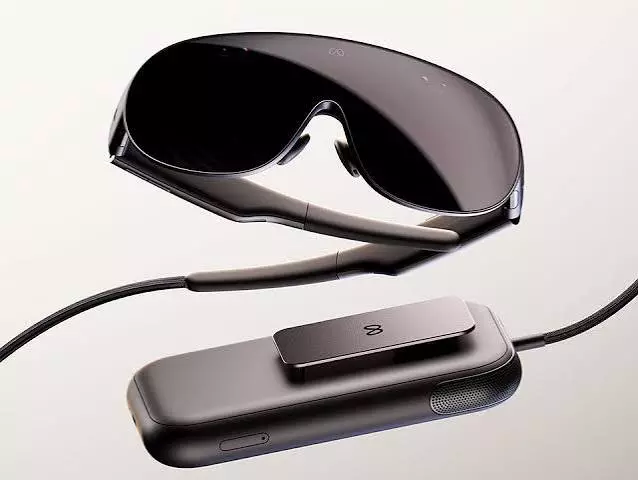
VR Glasses in 2026: How the New Generation Is Changing Gaming, Movies and Work
VR glasses are moving beyond the bulky headset designs that once defined virtual reality. In 2026, the technology is increasingly focused on making immersive experiences feel more natural, portable and useful in everyday situations.
New devices are combining high-resolution displays, spatial audio, hand tracking, AI features and mixed-reality capabilities in increasingly compact designs.
One of the biggest developments this year is Meta’s newly announced Meta VR Glasses, which the company says weigh about 100 grams and are designed to deliver virtual screens, immersive entertainment and workspace features in a glasses-style form factor. Meta says the device is scheduled to go on sale in spring 2027 at $1,299.99 in the US.
What Are VR Glasses?
VR glasses are wearable devices that place digital visual content directly in front of the user's eyes. Unlike conventional monitors or televisions, they can create the feeling of looking at a huge virtual screen or being surrounded by a digital environment.
Depending on the product, VR glasses may support:
- Virtual reality gaming
- 3D movies and entertainment
- Virtual workspaces
- Multiple virtual displays
- Spatial audio
- Hand and eye tracking
- Mixed-reality experiences
- AI-powered interactions
However, not every product marketed as smart or AR glasses is actually a VR device.
Some smart glasses primarily provide audio, cameras or AI features without displaying a virtual world. Buyers should therefore check the display and VR capabilities before purchasing.
Why VR Glasses Are Getting More Attention
The biggest attraction is simple: a large digital experience without a large physical screen.
Meta says its upcoming VR Glasses can provide a private multi-screen workspace and transform a flat surface into a virtual keyboard and touchpad. The company also highlights entertainment features such as 3D movies and immersive sports viewing.
This could make VR glasses useful for people who travel frequently, work remotely or want a more private entertainment setup.
Instead of carrying a monitor, users could potentially create a virtual screen wherever they are.
VR Glasses for Gaming
Gaming remains one of the strongest reasons people explore VR technology.
Modern VR systems can track head movement, hand gestures and the surrounding environment, allowing players to interact with digital objects more naturally.
The experience can be significantly different from playing on a traditional television because the player becomes part of the virtual environment.
Meta's upcoming glasses are also being positioned as a gaming platform, with the company saying more than 75 games will support hand-gesture controls at launch.
For serious gamers, however, specifications such as refresh rate, field of view, controller support, tracking accuracy and latency remain important.
Watching Movies on VR Glasses
Another major use case is personal entertainment.
A pair of VR glasses can create the impression of watching content on a giant cinema screen while sitting in a relatively small physical space.
Meta says its upcoming device will support IMAX Enhanced content and 3D movies, with partnerships involving services including Disney+, Prime Video, YouTube and others.
This makes VR glasses particularly interesting for travelers. A person sitting on a plane could potentially watch content on a large virtual screen without carrying a portable monitor.
Read: How to Choose the Best VR Headset for Your Needs in 2025
VR Glasses for Work
Virtual displays are also changing the conversation around wearable computing.
Instead of working from one laptop screen, VR glasses can potentially provide multiple virtual windows around the user. This can be useful for coding, research, video editing, communication and other tasks requiring several applications simultaneously.
The challenge is comfort. A device may offer impressive specifications, but if it becomes uncomfortable after an hour, its usefulness for everyday work can be limited.
That is why weight, lens quality, text clarity, battery life and heat management are just as important as raw processing power.
VR Glasses vs Smart Glasses
The terms can easily become confusing.
- VR glasses primarily focus on immersive digital environments and virtual displays.
- AR glasses add digital information or objects to the real-world view.
- Smart glasses can include cameras, microphones, speakers and AI features but may not have a display at all.
The market is increasingly blending these categories, so checking the actual hardware and software capabilities is more useful than relying only on the product name.
What Should You Check Before Buying VR Glasses?
Before purchasing VR glasses, consider these factors:
- Display quality: Higher resolution and better optics can make text, games and movies easier to view.
- Comfort: Weight distribution and lens adjustment matter during longer sessions.
- Battery life: Portable devices are only practical when their battery can support your typical usage.
- Compatibility: Check whether the glasses work with your smartphone, computer, gaming console or required operating system.
- Tracking: Accurate head, eye and hand tracking can make immersive applications feel more natural.
- Content availability: Hardware is only part of the experience. Check which games, movies and applications are actually supported.
- Price and availability: Some new VR products are announced well before their general release, so advertised prices should not automatically be treated as current retail prices.
The Future of VR Glasses
The direction of VR hardware is becoming clear: manufacturers are trying to make immersive computing smaller, lighter and easier to use.
Meta's announcement is particularly notable because the company is attempting to move from traditional headset hardware toward a glasses-style product while keeping high-resolution displays and computing capabilities.
At the same time, other companies are developing AR and smart glasses with different approaches. Snap, for example, has announced standalone Specs AR glasses for 2026, showing how quickly the broader wearable-display market is expanding.
For consumers, this means the definition of wearable computing is changing. VR glasses are no longer only about entering virtual worlds. They are increasingly being designed as portable screens, entertainment systems and personal computing devices.
The most important question for buyers, therefore, is not simply “Are VR glasses worth buying?” It is “What do I want to use them for?” Gaming, movies, remote work and mixed reality can each require very different features.
Content note: Product specifications, prices and launch timelines can change as manufacturers announce additional details. The Meta VR Glasses information above reflects Meta's September 23, 2026 announcement.