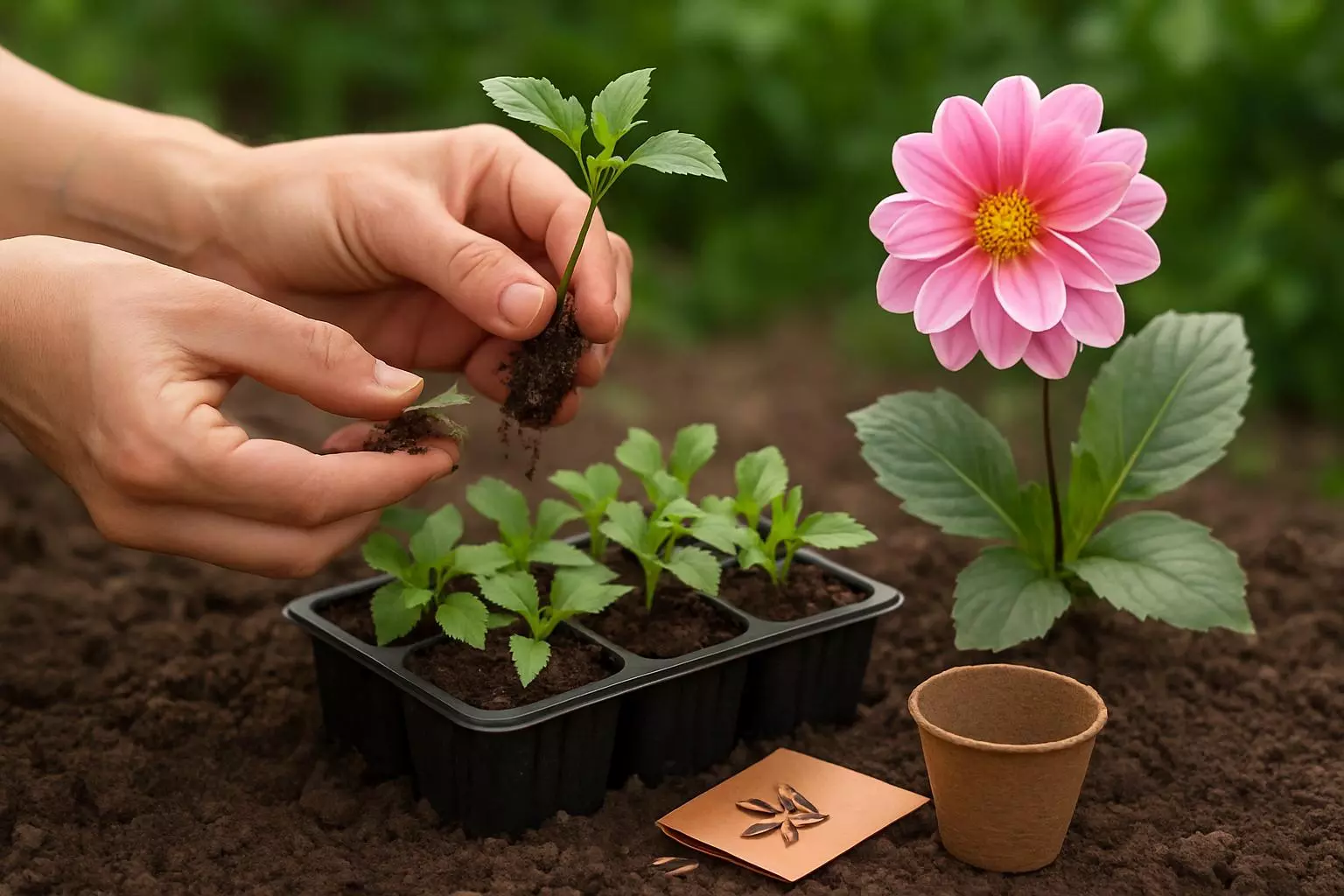
Viral Flower Trend: Growing Dahlias from Seed
Every year, gardening circles pick up a new obsession, and in 2025, the spotlight has turned to dahlias. Known for their flamboyant blooms, intricate petals, and dazzling colors, dahlias have been admired for centuries. But what’s making waves this year is not the traditional way of growing them from tubers—it’s the rising trend of growing dahlias directly from seed.
Social media platforms are buzzing with gardeners showcasing their seed-grown dahlias, sparking curiosity among beginners and seasoned growers alike. From balcony pots in busy cities to expansive cut-flower farms, everyone seems eager to experiment. The appeal lies not just in affordability but in the sheer surprise each seed-grown dahlia brings, since no two plants are ever exactly alike.
Why Growing Dahlias from Seed is Trending
Dahlias have traditionally been propagated via tubers, however they can be costly, prone to decay, and frequently challenging to store. Conversely, seeds are inexpensive, lightweight, and simple to ship. The low-input nature of seeds is preferred by many producers over large tubers that require more maintenance as climate-conscious gardening becomes more popular.
Dahlias produced from seeds also provide genetic variation. Dahlias from seed are distinct from clones, unlike those cultivated in tubers. This makes it an ongoing adventure with fresh colour combinations, petal shapes, and plant sizes. The ancient belief that dahlias are sluggish to pay off is challenged by the fact that almost 80% of gardeners' seed-grown plants bloom within the first year.
If you want to join the movement, now is the time to buy Dahlia Seeds from reliable sources and experience the excitement of watching new varieties emerge in your own garden.
The Science Behind Seed-Grown Dahlias
Due to cross-pollination, dahlia seeds inherit characteristics from both parent plants. Variability is produced as a result, giving each seed its own genetic lottery. A parent plant is completely replicated by tubers, while seeds offer countless new possibilities.
Certain types are bred especially to produce seeds, such as the Dahlia variabilis. Due to their consistent one-season bloom, they are especially well-suited for novice growers. With hybrid seed lines, breeders continue to experiment, producing compact, dwarf, or extra-large blooms tailored to meet specific garden requirements.
The science doesn’t just stop at appearance. Researchers studying dahlias have found that some seed-grown strains show increased resistance to pests and diseases compared to traditional tuber varieties. That resilience is adding to the appeal of seed propagation in changing climates.
Getting Started: Soil, Sowing, and Seedlings
Dahlias are surprisingly easy to grow from seed. The secret is to replicate the steady, warm atmosphere they require for proper germination.
Six to eight weeks prior to the latest date of frost, sow seeds indoors. Make use of seed-starting mix that drains effectively.
Keep the soil at 18–21°C until seedlings start to show up, which should happen in 7–10 days.
To prevent crowding, trim out seedlings as soon as they produce their first genuine leaves.
Only after the risk of frost has passed should seedlings be moved outside. Dahlias thrive in locations that receive at least 6 to 8 hours of direct sunlight each day because they enjoy the sun.
Seedlings should be planted just below the soil level, with a little extra compost around the roots for a nutrient boost, in contrast to tubers, which need to be planted deeper.
Why Gardeners Love the Surprise Factor
Unpredictability is one of the most fascinating aspects of dahlias produced from seed. Planting a packet of seeds could result in blooms that range from soft pompons to spiky cactus shapes, and from blazing oranges to pastel pinks. This is an essential cultivar for cut-flower lovers.
“Each dahlia seed holds a secret, waiting to bloom into something you’ve never seen before.”
This randomness has made dahlias from seed a popular choice in community gardens and schools, where the surprise factor adds joy to gardening education.
Dahlias in Small Spaces: A Perfect Fit for Urban India
Dahlias from seed are quickly becoming the preferred flower for terrace gardens and balconies in India, where urban gardening is expanding quickly. Pot-friendly dwarf types such as the Figaro Mix or Dahlia Mignon remain compact.
Compared to taller dahlia cultivars, these ones grow quickly, bloom profusely, and require less staking.
They boost local biodiversity in container setups by bringing in pollinators like bees and butterflies and enlivening environments.
The book on growing dahlias from the Royal Horticultural Society offers helpful cultivation insights for ideas on how dahlias might be used in eco-friendly designs and urban gardens.
Long-Lasting Blooms and Cut Flower Appeal
Dahlias produced from seeds are useful for home designers and florists, and they're not only for show. The blooms can remain up to a week in a vase after being cut. Dahlias produced from seeds even have stronger stems, according to some growers, which makes them easier to deal with in floral arrangements.
This trend is also being tapped by farmers who grow cut flowers for local marketplaces. To broaden their products, they are experimenting with seed-grown tubers rather than making significant investments in imported tubers. Profit margins might be higher with reduced upfront costs, particularly in India's growing floriculture sector.
Dahlias as Climate-Resilient Beauties
Dahlias cultivated from seed are demonstrating flexibility as climate change continues to affect crop productivity. Seed-grown plants frequently exhibit micro-resilience to changes in temperature, rainfall, or soil conditions due to their genetic diversity. This guarantees that you never have an empty garden because even if one plant has trouble, the others in the batch will flourish.
In fact, compared to their tuber-grown counterparts, certain seed-grown cultivars have been reported to flower later into the fall. Another reason why many gardeners are switching to seeds is the longer bloom duration.
Common Mistakes to Avoid
While growing dahlias from seed is relatively easy, beginners often make small mistakes that can reduce their success.
- Overwatering seedlings, which leads to damping-off disease.
- Planting outdoors too early can expose young plants to frost.
To avoid these pitfalls, invest in seed-starting trays with drainage and keep a close eye on weather forecasts before transplanting. Staking taller varieties early also prevents stem breakage later in the season.
Popular Read: From 70% to 90% Germination: How I Improved My Cauliflower Crop
The Global Buzz Around Dahlias from Seed
This is not just an Indian trend. Dahlias produced from seeds are being praised at gardening exhibitions and cut-flower networks in North America and Europe. Every year, breeding businesses push the limits of what is feasible by releasing new hybrid seed mixtures.
Data from the floriculture sector indicates that hobby gardeners and small-scale flower producers have been the main drivers of the 35% global growth in demand for dahlia seeds over the last two years.
The viral excitement on Instagram and TikTok, where #dahliafromseed has amassed thousands of images exhibiting vibrant, distinctive results, is reflected in this increase.
For more context on how ornamental flowers are shaping future markets, the Floriculture Industry Report offers a deeper dive into global production trends.
FAQs
Do dahlias grown from seed produce tubers?
Yes, many varieties will form small tubers by the end of the season, which can be dug up and replanted next year.
Are dahlias from seed harder to grow than from tubers?
Not really. While tubers give a head start, seeds are affordable, easy to germinate, and often bloom the first year.
What is the best season to sow dahlia seeds in India?
Late winter to early spring is ideal, with transplanting done after frost risk has passed.
Do seed-grown dahlias look as impressive as tuber-grown ones?
Yes, though they may differ from classic named varieties. Many seed-grown plants are just as vibrant and long-lasting.
How many months do dahlias bloom from seed?
Typically, they bloom 90–100 days after sowing and can continue flowering until frost.
Blooming Into the Future
There is more to the obsession with dahlias from seed than merely a passing internet fad. It signifies a shift towards experimental, accessible, and reasonably priced horticulture. Gardeners now want innovation, variation, and resistance instead of predictable clones. All of this is provided by dahlia seeds, which come in a flower that has been prized for ages.
Dahlias from seed may change your growing season, whether you're a cut-flower farmer in Maharashtra, a balcony gardener in Delhi, or just someone looking to add some cheer to your backyard. Despite going viral, the trend's foundations are grounded in sustainability, practicality, and the beauty of pure flowers.