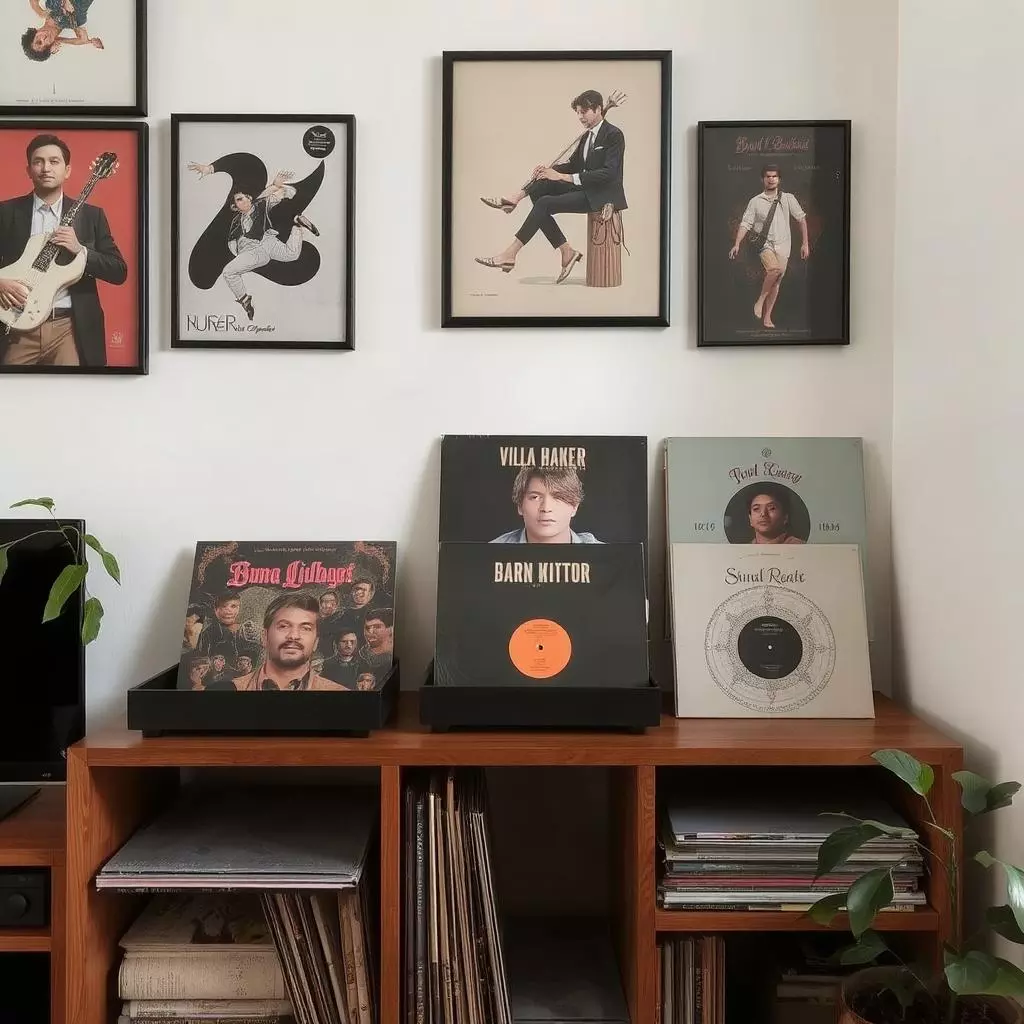
Vinyl Records That Were Banned in India
India’s rich and diverse musical history is not without its controversies. Over the decades, certain vinyl records have faced censorship or outright bans due to political, cultural, or moral concerns. These bans reflect the social and political atmosphere of the times, offering a fascinating glimpse into how music and authority intersect in India.
While censorship is often a subject of debate, the stories behind banned vinyl records reveal much about the country’s evolving relationship with freedom of expression, cultural identity, and social norms. In this blog, we explore some notable vinyl records that were banned or faced restrictions in India and the reasons behind those bans.
The most common reason for vinyl records being banned in India has historically been their content, particularly when it touched upon politically sensitive issues. During the Emergency period (1975-1977), imposed by then Prime Minister Indira Gandhi, strict censorship was enforced across all media, including music.
Any material perceived to be critical of the government or promoting dissent was banned. Several protest songs and albums produced by underground or politically active musicians were suppressed. Though specific vinyl releases from that era are hard to trace, the censorship had a chilling effect on independent music production, with many artists either going underground or shifting to less controversial themes.
One of the most famous banned records, although not a full album but a single, is the political protest song "Saare Jahan Se Achcha," recorded by various artists over the years. While this patriotic song itself was not banned, certain versions or adaptations that took a more critical stance towards the government were restricted in particular states or during specific periods of political unrest. Vinyl pressings of these versions became hard to find, especially during times when political tensions were high.
Bollywood vinyl records music, which dominates the Indian vinyl market, has also faced bans and restrictions on some records. Songs with lyrics considered too explicit or morally questionable have been censored or pulled from sale. In the 1980s and 1990s, when conservative values strongly influenced the entertainment industry, a handful of Bollywood soundtracks were modified to remove controversial lines or replaced entirely on vinyl pressings. While these were not outright bans, they represent the pressures exerted on artists and producers to conform to societal norms.
A notable case involved the soundtrack of the film "Bandit Queen," based on the life of Phoolan Devi. The film’s music, released on vinyl, was subjected to scrutiny because of its raw depiction of violence and social injustice. Although the album itself was not officially banned, some retailers in conservative regions hesitated to stock it, and the film faced widespread protests. This indirect censorship affected the availability of the vinyl record and limited its reach.
Religious sensitivities have also led to vinyl records being banned or censored in India. Devotional music and chants are generally respected and widely available, but when religious content is mixed with provocative or politically charged messages, authorities have intervened.
Some vinyl albums that questioned orthodox practices or featured reinterpretations of sacred texts faced bans or restrictions. In one instance, a vinyl release by a spiritual leader who combined music with controversial socio-political commentary was banned in certain states due to fears of inciting unrest.
International vinyl records have not been immune to bans either. During periods of heightened political tension between India and other countries, albums from artists deemed politically sensitive or controversial were banned or confiscated.
For example, some Western rock albums with politically charged lyrics or themes of rebellion were not allowed official release in India during the 1970s and 1980s. Importing such vinyl records was often difficult, and possession could attract suspicion.
The reasons for banning or censoring vinyl records in India are often tied to larger societal concerns about morality, cultural identity, and political stability. In many cases, these bans have been applied unevenly, reflecting regional sensitivities and shifting political landscapes. For example, records banned in one state might be readily available in another, highlighting India’s complex patchwork of cultural and legal norms.
With the rise of the internet and digital music platforms, the power of physical censorship over music has diminished. However, the legacy of banned vinyl records remains a topic of interest for collectors and historians. These records are often sought after precisely because of their controversial status, making them rare and valuable artifacts that document a period when music was a potent form of resistance and expression.
Today, India’s vinyl market is growing, and the atmosphere around music censorship has become more relaxed, though debates over content continue in different forms. Modern Indian artists often use music as a platform to challenge social norms and political issues, but they do so in an environment that is more open and globally connected. Vinyl records, both old and new, serve as a reminder of the struggles artists have faced and the power of music to provoke thought and inspire change.
In conclusion, vinyl records banned in India reflect a complex history of cultural politics, social morality, and artistic expression. While the bans were often driven by a desire to control dissent or protect traditional values, they also highlight music’s ability to challenge authority and spark conversation.