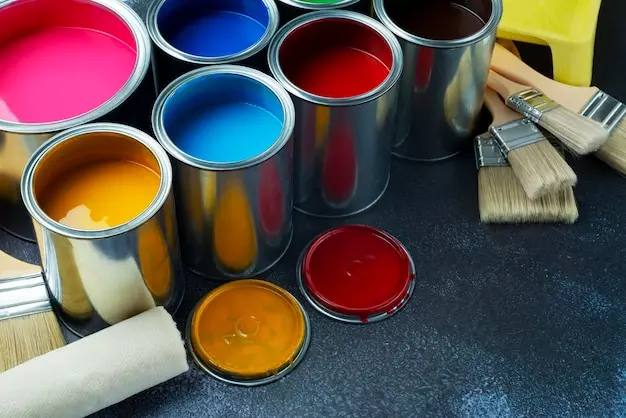
Vietnam Paints and Coatings Advance with Construction and Innovation
Paints and coatings are essential materials for protecting, decorating, and extending the service life of buildings, vehicles, machinery, infrastructure, and industrial assets.
Decorative paints improve the appearance of residential and commercial spaces, while protective coatings help surfaces withstand corrosion, moisture, chemicals, abrasion, and weather exposure.
In Vietnam, construction activity, urbanization, manufacturing expansion, and changing consumer preferences are influencing demand for both decorative and performance-oriented coating solutions.
A recent study by MarkNtel Advisors highlights that the Vietnam paints and coatings sector was valued at USD 0.78 billion in 2025.
It is projected to grow from USD 0.81 billion in 2026 to USD 1.05 billion by 2032, registering a CAGR of 4.42% during 2026–2032.
Expansion reflects construction activity, infrastructure development, manufacturing growth, urbanization, rising demand for decorative finishes, and increasing requirements for durable coatings across residential, commercial, automotive, and industrial applications.
Construction Activity Supports Coating Demand
Construction remains a major application area because new buildings and renovation projects require interior finishes, exterior protection, waterproofing, and decorative surfaces.
Residential developments, commercial properties, offices, hotels, and public infrastructure all contribute to recurring consumption of paints and coatings.
Vietnam's construction sector recorded strong growth in the first quarter of 2025. The General Statistics Office reported that construction value added increased by 7.99% year over year, while the industrial and construction sector increased by 7.42%. Accelerated public investment and infrastructure implementation supported construction activity during the period.
Decorative Finishes Strengthen Consumer Preferences
Decorative paints accounted for 52% of total volume in 2026, making them the leading product category, according to the MarkNtel Advisors study.
Their position is supported by residential construction, renovation activity, urban development, and consumer interest in attractive and durable interior and exterior finishes.
Consumer preferences are also moving beyond basic color and surface coverage. Washability, stain resistance, durability, ease of application, and finish quality are becoming relevant considerations when selecting decorative products.
These preferences are encouraging manufacturers to develop formulations that combine visual appeal with functional performance.
Residential Projects Create Recurring Requirements
The residential segment captured nearly 55% share in 2026, representing the largest application category. Housing construction, apartment developments, urban expansion, and renovation projects are creating recurring requirements for interior and exterior coatings.
Vietnam's continuing urban development is also creating a broader base for residential construction and related building materials.
The World Bank's Vietnam urban population data tracks the country's urbanization trend using United Nations Population Division estimates, providing context for the expanding role of urban development in construction demand.
Infrastructure Development Expands Protective Applications
Infrastructure projects require coatings that protect steel, concrete, transportation assets, bridges, stations, and other structures from demanding environmental conditions.
Long-term exposure to moisture, heat, chemicals, abrasion, and weather can accelerate surface deterioration, increasing the importance of protective coating systems.
Vietnam's public investment activity is supporting infrastructure construction. The General Statistics Office reported that accelerated implementation of public investment projects contributed to stronger construction activity during the first quarter of 2025.
This environment can create opportunities for anti-corrosion coatings, concrete protection systems, road-marking products, and other specialized finishes.
Manufacturing Growth Supports Industrial Coatings
Vietnam's expanding manufacturing base is another important source of coating demand.
Factories, industrial facilities, machinery, production equipment, warehouses, and steel structures require coatings that can provide corrosion protection, chemical resistance, abrasion resistance, and improved surface durability.
The country's manufacturing and processing sector increased by 9.28% in value added during the first quarter of 2025, according to the General Statistics Office.
Growth across manufacturing activities can support requirements for industrial coatings used on production equipment, metal structures, machinery, and other industrial assets.
Premium Products Add Functional Benefits
Rising consumer awareness is encouraging greater attention to premium decorative products with specialized properties. Buyers can increasingly evaluate coatings according to durability, stain resistance, washability, odor, application convenience, and appearance.
Manufacturers are responding by introducing products designed around specific household and commercial requirements.
Premiumization also creates opportunities for brands to differentiate through advanced formulations, color technologies, surface protection, and specialized finishes rather than competing solely on price.
Environmental Considerations Influence Formulation
Environmental performance is becoming more important in coating development, particularly regarding solvent use, volatile organic compounds, emissions, and production practices.
Water-based and other lower-emission formulations can provide alternatives for applications where reducing solvent content is a priority.
Vietnam's environmental-management framework is increasing attention toward industrial emissions and pollution control.
This environment can encourage coating manufacturers to improve formulation efficiency, emission management, and compliance while developing products that maintain required durability and application performance.
The Vietnam Environment Administration provides government information and environmental-management resources relevant to industrial development and environmental protection.
Technology Improves Coating Performance
Advances in resin chemistry, pigments, additives, and application technologies are allowing manufacturers to develop coatings with more targeted performance characteristics.
Products can be formulated for stronger adhesion, faster drying, improved weather resistance, greater color retention, and enhanced resistance to chemicals or abrasion.
Digital color matching and improved application equipment are also helping professional users achieve greater consistency.
In industrial environments, automated application and process controls can improve coating uniformity while reducing material waste and supporting production efficiency.
Competition Encourages Product Development
Vietnam's paints and coatings sector includes international manufacturers, regional companies, and domestic producers competing across decorative, industrial, automotive, and protective applications.
Companies are differentiating through product quality, distribution networks, specialized formulations, technical support, and sustainability-oriented solutions.
Competition is also encouraging manufacturers to respond to changing construction and industrial requirements with application-specific products.
The combination of established brands and local producers provides customers with a wider range of decorative and protective coating solutions.
Infrastructure and Industry Shape Future Growth
Vietnam's paints and coatings sector is developing through the combined influence of construction, infrastructure investment, manufacturing expansion, urbanization, premium consumer preferences, and formulation innovation.
The projected increase from USD 0.81 billion in 2026 to USD 1.05 billion by 2032 reflects continued demand across residential, commercial, automotive, infrastructure, and industrial applications.
Future development will remain connected with durable decorative finishes, protective coatings, advanced formulations, and expanding construction activity.
As Vietnam continues developing its built environment and manufacturing base, coating manufacturers will need to balance performance, aesthetics, environmental considerations, and cost across increasingly diverse applications.