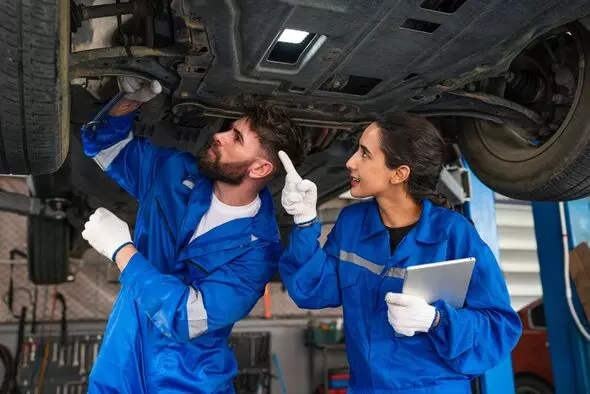
Vehicle MOT Checks in the UK: Advice from an Experienced Car Owner
I’ve been driving and maintaining cars in the UK for over a decade, and one thing I’ve learned is that the MOT test isn’t just a legal formality — it’s a way to keep you safe and avoid headaches down the road. Let me share some tips and insights I’ve picked up along the way.
Understanding the MOT Test
The MOT, which stands for Ministry of Transport, is an annual check for cars over three years old. Think of it as a routine health check for your car. The garage looks at critical areas like:
- Brakes and suspension
- Lights and indicators
- Tyres and wheels
- Steering and mirrors
- Exhaust and emissions
- Windscreen and wipers
From my experience, it’s not about catching you out — it’s about spotting issues early so you don’t end up stranded or facing bigger repair bills later.
Why MOT Checks Are Important
When I first started driving, I didn’t pay much attention to MOTs. After a close call with a worn brake pad, I learned quickly why they matter.
1. Safety Comes First
Even if your car drives fine, minor issues like a loose light or bald tyre can become serious. An MOT can catch these before they cause accidents.
2. Staying Legal
Driving without a valid MOT can result in fines or points on your licence. From experience, it’s not worth the risk — and police do check MOTs regularly.
3. Maintaining Your Car’s Value
A car with a consistent MOT history shows buyers it’s been cared for. I’ve seen people get better resale prices simply because they kept up with MOTs and maintenance.
4. Insurance Protection
Some insurers may deny claims if your car doesn’t have a valid MOT. It’s one of those things you don’t think about until it’s too late.
When to Get Your MOT
Cars need an MOT every year after their third anniversary. A useful tip: you can book it up to a month early. I always do mine early — it gives me time to fix any minor issues and avoids last-minute stress.
Checking Your MOT Status
I like to check my MOT online before booking. All you need is your car’s registration number, and you can use the government website to see:
- When your MOT expires
- Test history
- Any advisory notes
It’s simple, quick, and helps me plan repairs or maintenance before the test.
What to Do If Your Car Fails
Even experienced drivers sometimes fail. The key is not to panic. I once failed because of a small brake issue — easy to fix.
Here’s my approach:
- Understand the fail items — some are minor, some are serious.
- Get them repaired at a trusted garage.
- Retest — minor fixes often qualify for a free retest within a few weeks.
Failing doesn’t mean your car is unsafe, but it does highlight what needs attention.
Tips to Pass Your MOT First Time
Over the years, I’ve learned a few pre-checks that make passing much easier:
- Check all lights and indicators before going to the garage.
- Inspect tyres for tread depth (minimum 1.6mm) and damage.
- Listen to brakes for squeaks or reduced stopping power.
- Make sure wipers work and your windscreen is clear.
- Top up fluids like engine oil, brake fluid, and screenwash.
- A clean car helps the mechanic notice problems more easily.
A little preparation can save money, stress, and time.
Costs to Keep in Mind
MOT prices are capped:
- Cars: up to £54.85
- Motorcycles: up to £29.65
- Light goods vehicles: up to £54.85
Repairs after a fail will cost extra, but in my experience, investing a bit in pre-checks usually saves more in the long run.
Final Advice from Experience
From years of driving and maintaining cars, here’s my advice: treat the MOT as part of caring for your vehicle, not just a legal box to tick. Do a pre-check, book early, and address issues promptly.
A small effort now keeps you safe, prevents bigger repair bills later, and ensures your car stays reliable year after year. Trust me — staying on top of MOTs makes life as a car owner much easier.