Used, Rebuilt or Remanufactured Engines: What’s the Difference?
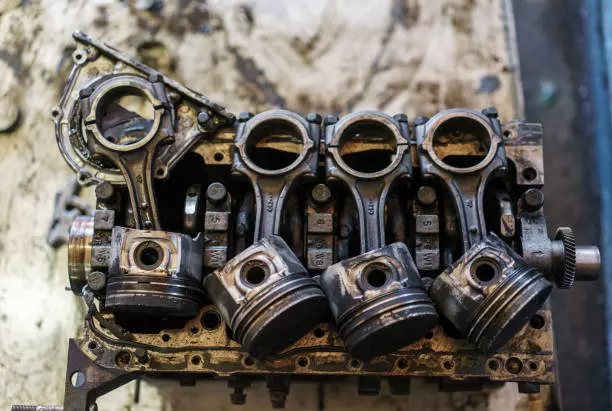
Used engines are… well, used. They come straight out of another car. Sometimes they run fine, sometimes they don’t. Rebuilt engines? Someone tore it apart, swapped the worn stuff, slapped it back together. They usually run better than a pure used engine, but quality varies.
And then remanufactured engines, these are the overachievers. Every part is tested, replaced if needed, built to meet or beat factory specs. Basically, they’re the closest thing you can get to a brand-new engine without paying for one.
Used Engines
Used engines aren’t just about saving money, though. Sometimes, the newer versions aren’t even better. Some engines from a few years back ran smoother, lasted longer, or just plain handled stress better. If you’re hunting for reliability without breaking the bank, a well-maintained used engine can actually outlast some brand-new ones that came off the assembly line today.
Also, let’s be real: parts are easier to swap on older engines. Mechanics know them inside and out. Fewer surprises. And if you go with a reputable seller, they usually test the engine, check mileage, sometimes even throw in a short warranty. That’s not “new-car” warranty level, but it’s enough to sleep at night without sweating a $5k mistake.
Rebuild Engines
You’re not paying full price for a brand-new engine that depreciates the second it fires up. But you’re also not gambling on some sketchy used motor that might keel over in a week. Rebuilds hit that sweet spot. Cheaper than new, more reliable than used. Done.
Next, quality. We know, “rebuilt” sounds like someone just threw it together in a garage, right? Wrong. These engines get taken apart completely. Every worn piece gets replaced. Bearings, gaskets, seals the whole nine yards. What you end up with is basically a new engine but without the insane sticker shock.
And the customization. Maybe your old engine had quirks. Maybe it ran like crap because someone cut corners before. Rebuild engines can be tuned, tweaked, and upgraded during the rebuild process. You can walk away with an engine that’s not just running, but running better than it ever did.
Longevity. a rebuilt engine isn’t a miracle worker. But with proper rebuilds, these things often last as long as a new engine would. And in some cases? Even longer, if you threw in some upgrades or went for stronger internal components.
Remanufactured Engine
1. Cost. it’s cheaper than a brand-new engine. Like, sometimes half the price or less depending on the car. You get almost all the life of a new engine without selling a kidney.
2. Reliability. People freak about “Quality used engines,” but a reman engine isn’t just pulled from some junkyard. It’s gone through full teardown, worn parts replaced, new seals, gaskets, sometimes upgraded components, and tested to hell. It’s basically an engine that’s had a full spa day before hitting your car.
3. Warranty. A lot of shops throw in a solid warranty. Not some sketchy 30-day thing. I’m talking actual coverage, like a year or more, which is way better than gambling on a used engine.
4. Environment. Yeah, it’s nerdy, but it’s worth mentioning. Remanufacturing means fewer raw materials mined; less scrap tossed in landfills. You’re reusing, recycling, and still getting a top-notch engine. Feels good, doesn’t hurt the wallet.
5. Fit and finish. Unlike some salvaged engines, remans are built to spec. No surprises with sensors, mounts, or oddball parts. Drop it in, and it’s like it was meant for your car, because it basically was.
Difference:
Used Engine
This is the simplest. Literally just an engine pulled from another car. Maybe it worked fine, maybe it didn’t. You’re mostly betting that it still runs.
- Pros: Cheap, usually available fast.
- Cons: Zero guarantees, could have hidden issues, who knows how it was treated.
- When it works: Good for older cars where nothing fancy matters. If you’re lucky, it’ll last a few thousand miles. If not… welcome to the repair merry-go-round.
Rebuilt Engine
Here’s where it starts to get a little more serious. A rebuilt engine has been torn apart, inspected, and had worn parts replaced. But the process isn’t always standardized — one shop might swap a handful of parts; another might go nuts and rebuild it like new.
- Pros: Cheaper than remanufactured, usually lasts longer than a straight used engine.
- Cons: Quality is hit-or-miss depending on the shop. Might not meet factory specs.
- When it works: Solid if you know the shop or have a good warranty. But don’t assume it’s bulletproofed.
Remanufactured Engine
Now we’re talking top-shelf. This is basically the engine equivalent of hitting “reset.” It’s taken apart, cleaned, all worn parts replaced, inspected to factory specs, sometimes even upgraded. Comes with a legit warranty.
- Pros: Best longevity, basically like getting a “new” engine without buying a new car.
- Cons: Pricey, takes longer to get.
- When it works: Every time. If you’re planning to keep the car a while, this is the way to go.
The Conclusion
Depends on your wallet and patience. If you want cheap and fast, maybe a used engine works. Want a middle ground? Go rebuilt. Want near-new reliability and don’t mind paying for it? Remanufactured all the way.