Unlocking DevOps: Skills That Drive Innovation and Efficiency
Modern businesses operate in environments where speed, reliability, and continuous improvement directly influence success. Customers expect seamless digital experiences, frequent product updates, and stable application performance across platforms.
To meet these expectations, organizations are transforming how software is designed, released, and maintained.
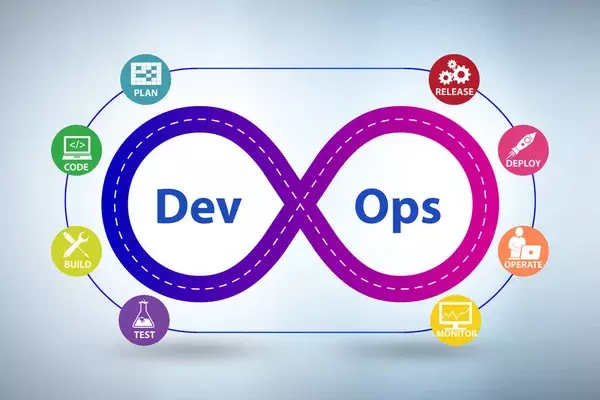
DevOps has emerged as a practical approach that connects software development with operational management to create faster and more efficient delivery processes. Rather than treating development and infrastructure as separate functions, DevOps encourages shared responsibility, automation, and continuous optimization.
As organizations continue accelerating digital initiatives, the demand for professionals with modern operational and automation skills continues to expand. Many learners pursue DevOps Training in Chennai to build practical knowledge in deployment automation, cloud ecosystems, infrastructure workflows, and modern application delivery practices.
DevOps Beyond Tools and Automation
DevOps is often misunderstood as a collection of technologies, but its foundation is built on culture and process improvement.
Its purpose is to create stronger collaboration between teams responsible for building and maintaining applications.
Successful DevOps environments focus on:
- Shared ownership
- Continuous improvement
- Faster feedback cycles
- Automated workflows
- Reliable delivery practices
When teams work with aligned goals, organizations can accelerate innovation without compromising stability.
System Knowledge Creates a Strong Foundation
DevOps professionals work across multiple environments and technologies, making infrastructure knowledge essential.
Understanding operating systems allows teams to maintain stable environments and manage resources effectively.
Important areas include:
Environment Management
Maintaining healthy systems and ensuring application availability.
Network Awareness
Understanding connectivity, communication, and system interactions.
Troubleshooting Capabilities
Identifying issues quickly and reducing operational disruption.
Strong infrastructure knowledge supports smoother delivery processes.
Automation Skills Increase Efficiency
One of the major strengths of DevOps is reducing repetitive work through automation.
Manual operations often slow delivery and introduce inconsistency.
Automation allows teams to:
- Execute tasks faster
- Improve deployment consistency
- Reduce operational overhead
- Minimize human error
Professionals frequently use scripting approaches to automate infrastructure, configuration management, and deployment activities.
Automation creates more time for innovation and strategic work.
Infrastructure Management Through Code
Modern infrastructure management has shifted from manual configuration to programmable environments.
Infrastructure as Code enables teams to create, modify, and replicate environments efficiently.
Advantages include:
Consistent Environments
Applications behave more predictably across environments.
Faster Provisioning
Resources become available more quickly.
Better Collaboration
Infrastructure definitions can be reviewed and maintained collaboratively.
Treating infrastructure as version-controlled assets improves flexibility and scalability.
Continuous Delivery Accelerates Business Value
Organizations increasingly aim to release updates faster while maintaining reliability.
Continuous workflows help achieve this balance.
Continuous Integration
Code changes are validated regularly to maintain software quality.
Continuous Delivery
Release processes become streamlined and repeatable.
Faster Feedback
Teams receive earlier insights into application quality.
Improved Release Confidence
Automation reduces deployment uncertainty.
Continuous delivery practices help organizations adapt quickly to changing requirements.
Containers and Scalable Application Delivery
Modern software environments require portability and operational consistency.
Container-based approaches simplify application packaging and deployment.
Benefits include:
- Predictable environments
- Faster scaling
- Simplified deployment processes
- Improved resource utilization
As applications become more distributed, orchestration capabilities help manage growing infrastructure complexity.
These approaches continue shaping cloud-native application delivery.
Cloud Skills Are Becoming Essential
Cloud technologies have transformed how applications are developed and maintained.
DevOps professionals increasingly work with environments that offer flexible computing resources and scalable deployment capabilities.
Cloud expertise supports:
Dynamic Resource Allocation
Infrastructure adjusts according to demand.
Faster Environment Creation
Development cycles become more efficient.
Operational Flexibility
Teams gain better control over scaling and deployment.
Cloud knowledge remains one of the most valuable competencies for modern DevOps careers.
Monitoring Enables Continuous Improvement
Reliable software depends on visibility and proactive management.
Monitoring practices help teams understand system behavior and maintain performance standards.
Important focus areas include:
Application Health
Tracking stability and responsiveness.
Operational Insights
Collecting information that supports better decisions.
Observability
Understanding interactions across complex systems.
Strong monitoring practices improve reliability and reduce downtime.
Read: Top IT Courses to Boost Your Career in 2025
Security Must Be Embedded Early
Security expectations continue increasing across industries.
Modern DevOps environments increasingly integrate protection mechanisms throughout development workflows.
This approach supports:
- Early vulnerability detection
- Automated validation
- Stronger governance
- Improved operational resilience
Security integration strengthens both software quality and organizational trust.
Communication Powers Successful DevOps Teams
Technical expertise delivers greater value when combined with effective collaboration.
DevOps professionals frequently interact across development, operations, testing, and business functions.
Important soft skills include:
Clear Communication
Reducing misunderstandings and improving alignment.
Collaborative Thinking
Supporting cross-functional goals.
Adaptability
Responding effectively to changing priorities.
Strong teamwork often drives better project outcomes.
Continuous Learning Supports Career Growth
Technology evolves rapidly, making ongoing skill development essential.
Professionals who continue learning remain better prepared to adopt emerging technologies and improve operational effectiveness.
Many individuals strengthen their capabilities through a Best Training Institute in Chennai to gain practical exposure to automation tools, cloud environments, deployment strategies, and infrastructure practices.
Curiosity and adaptability continue becoming valuable professional strengths.
How DevOps Creates Business Impact
Organizations implementing DevOps practices often experience measurable improvements.
Common outcomes include:
- Shorter delivery cycles
- Higher application reliability
- Greater operational efficiency
- Improved customer experiences
- Faster innovation capabilities
These advantages help businesses remain competitive in rapidly changing markets.
Emerging Trends Shaping DevOps
The DevOps landscape continues evolving through advancements in automation and intelligent technologies.
Important trends include:
- AI-supported operations
- Platform engineering models
- DevSecOps practices
- Cloud-native architectures
- Intelligent deployment pipelines
Professionals who understand these areas may gain stronger long-term opportunities.
DevOps has evolved into an essential approach for organizations seeking speed, reliability, and continuous improvement.
By combining automation, collaboration, infrastructure practices, cloud technologies, and operational excellence, DevOps enables businesses to deliver applications more efficiently while supporting innovation.
The influence of modern delivery practices is also expanding into management education, and a Business School in Chennai may increasingly explore digital transformation, operational strategy, and technology-led business growth.
For professionals, building expertise across technical and collaborative domains creates opportunities to contribute meaningfully in modern software ecosystems while supporting long-term career advancement.