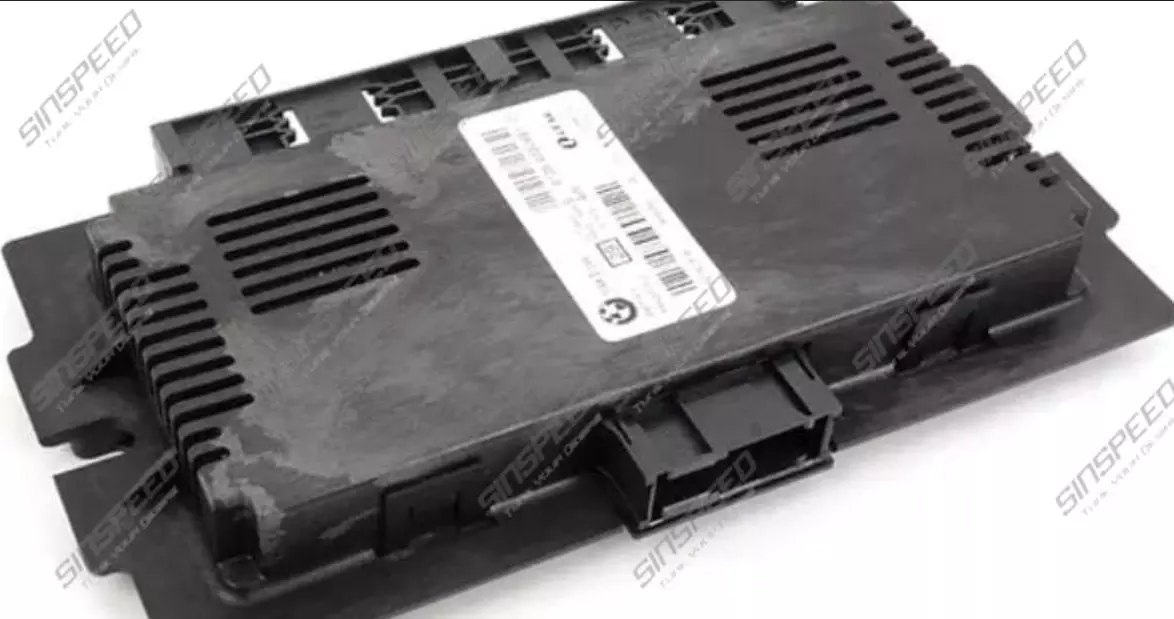
Understanding the Mini Footwell Module: A Comprehensive Guide
Modern vehicles are far more than just mechanical machines; they are complex networks of electronics, sensors, and control units working together to deliver safety, efficiency, and comfort. Among the many electronic components inside a car, the mini footwell module (often referred to as the FRM or footwell control module) plays a vital role in ensuring seamless operation of essential electrical systems.
While drivers may never physically interact with this unit, its presence is felt every time headlights turn on automatically, windows respond to a button press, or interior lights dim gradually. This article explores what the mini footwell module is, how it works, why it matters, and what drivers should know about its significance in vehicle electronics.
What is a Mini Footwell Module?
The mini footwell module is an electronic control unit located within the vehicle, typically installed beneath the dashboard in the driver’s footwell area. It acts as a central hub, receiving and transmitting signals between various switches, sensors, and actuators. Its primary function is to manage and distribute power to different systems, particularly those linked to lighting, windows, and comfort features.
This module bridges the gap between driver inputs and vehicle responses. For example, when a driver presses the headlight switch, the mini footwell module interprets the signal and sends the appropriate command to activate the lights. Without it, the seamless communication between user controls and vehicle components would not be possible.
Core Functions of the Mini Footwell Module
The mini footwell module is responsible for a wide array of functions. While these can vary slightly depending on the vehicle’s design and model year, the most common roles include:
Lighting Control
- Exterior lights: headlights, taillights, brake lights, and indicators.
- Interior lights: dome lighting, footwell illumination, and dimming functions.
- Adaptive lighting systems in advanced vehicles.
Power Window Management
- Controls the up-and-down movement of power windows.
- Ensures safety through anti-pinch features, preventing injury or damage if an obstruction is detected.
Mirror Adjustment
- Manages electronic side mirror positioning and heating functions.
Central Locking and Comfort Features
- Coordinates door locking and unlocking.
- Works with convenience systems like keyless entry or automatic locking when the car is in motion.
Communication with Other Control Units
- Uses protocols like CAN (Controller Area Network) to exchange information with the engine control unit, body control unit, and other electronic modules.
By handling these functions, the mini footwell module essentially acts as the nervous system for specific vehicle features, ensuring they respond accurately and efficiently.
Why is the Mini Footwell Module Important?
The importance of the mini footwell module lies in its role as a command center for multiple everyday functions that drivers rely on. If this module fails or malfunctions, the consequences can be noticeable and inconvenient. Common issues might include:
- Headlights or taillights not functioning.
- Power windows becoming unresponsive.
- Interior lights failing to operate correctly.
- Central locking refusing to engage.
Because these functions are integral to safety and convenience, the module is considered a critical component of modern vehicle electronics.
How the Mini Footwell Module Communicates
The communication within the mini footwell module is based on advanced automotive networking systems. Using CAN bus technology, it transmits signals quickly and efficiently, ensuring minimal delay between driver input and system response.
For example:
- When the brake pedal is pressed, the module instantly receives input and activates the brake lights.
- When the driver turns the indicator stalk, the module processes the command and signals the exterior indicators, while also triggering the dashboard light to blink in sync.
This level of coordination requires precise programming and efficient data handling, which is why the module is often referred to as a microcomputer within the vehicle.
Common Symptoms of Footwell Module Issues
Though robustly designed, electronic modules can face challenges due to wear, electrical surges, or water damage. Some typical signs that may indicate a mini footwell module problem include:
- Intermittent or non-functioning headlights.
- Windows that stop responding to switches.
- Warning lights on the dashboard related to lighting or body electronics.
- Unresponsive interior illumination or erratic dimming behavior.
Drivers noticing such symptoms are advised not to ignore them, as they can affect both safety and driving comfort. In such situations, it is always best to find a specialist near you who can carry out a proper diagnostic check.
Advancements in Footwell Module Technology
Automotive electronics continue to evolve, and the mini footwell module has seen significant improvements over the years. Some of the latest developments include:
- Energy efficiency: Modern modules are optimized to minimize power consumption, supporting better overall vehicle efficiency.
- Integration with smart lighting systems: Advanced footwell modules can control adaptive headlights that adjust beam angles based on speed, steering, and road conditions.
- Enhanced diagnostics: Built-in error reporting allows for quicker identification of faults during servicing.
- Software updates: In some vehicles, updates can be applied to improve functionality or resolve issues without replacing hardware.
These advancements make the footwell module not just a passive controller, but a dynamic part of the vehicle’s intelligent electronics.
The Future of Mini Footwell Modules
With the increasing move toward electric and autonomous vehicles, the role of the mini footwell module is expected to expand further. Future systems may integrate even more functionality, from advanced safety systems to real-time data sharing with other vehicle modules. Enhanced cybersecurity measures are also likely to be built into these components to prevent unauthorized access to vehicle networks.
As vehicles become more connected and software-driven, modules like the footwell unit will remain indispensable. They will continue to act as the bridge between human interaction and the digital backbone of automotive technology.
Conclusion
The mini footwell module may not be a part that drivers often think about, but it plays a crucial role in ensuring the smooth operation of key vehicle functions. From controlling lights and windows to enabling comfort and safety features, this module embodies the sophistication of modern automotive design.
As cars become more technologically advanced, the importance of electronic modules like the footwell control unit will only grow. Understanding its role helps drivers appreciate the unseen but vital components that make every journey safe, convenient, and comfortable.