Understanding the Benefits of Eggs Produced Without Soy-Based Feed
Imagine cracking an egg at the beginning of the day and the yolk being a rich vivid orange that is spread in a lazy manner across the pan. There's something incredibly satisfying about this, it's almost grounded.
However, behind this seemingly simple thing there is a saga of decision-making concerning what the chicken ate as well as how the hen lived and the final product that is put in the dish.
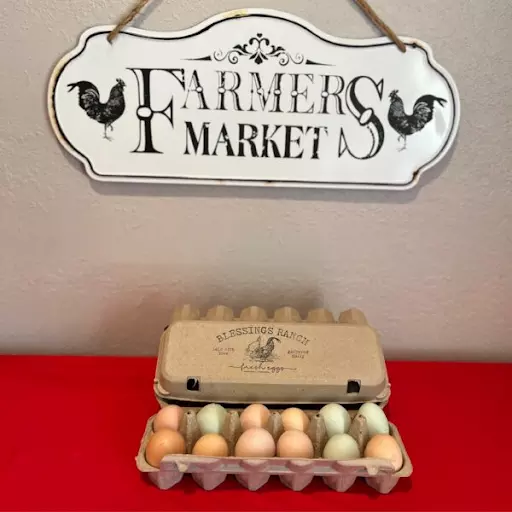
Eggs of hens that were raised without any soy-based diet are prominent in this photo. These eggs represent a change away of conventional feeding practices towards more in line with bird's natural instincts.
Soy-free eggs are gaining attention from people who pay more attention to food products. The distinction begins with feed. The majority of commercial enterprises rely on soy as a cheap protein, but other options are available, often paired with access to pasture or carefully well-balanced grains.
This results in eggs that may be more flavorful and may be more compatible with specific health concerns.
The Feed Factor: Why Soy Raises Questions
The main ingredient in poultry feed is soy for practical reasons. It is a great source of protein and helps keep costs low. Still, concerns linger. Soy contains phytoestrogens--compounds that can mimic estrogen in the body. It has been proven that they can pass to egg yolks in the event that hens consume a large amount of.
If you are a person who is who are sensitive to hormone fluctuations or parents concerned about their the development of their children, this information is important.
Soy's phytic acid also is a binding agent for minerals, thus reducing the absorption of nutrients in hens themselves. The birds that are healthier tend to have egg yolks that are more nutritious. An hen suffering from food inconsistencies may not transmit the highest potential vitamins and fats. The content of what is in can influence what will come out.
Nutritional Edges Worth Noticing
Eggs that do not contain soy typically come from systems that encourage the foraging. The time of the year for pasture brings sunshine as well as insects and greens, which are elements which boost vitamin D levels, vitamin E, as well as healthy fatty acids naturally.
Research on flocks raised in pastures shows more of these nutrients when compared with strict confinement of birds. Methods that are free of soybeans often coexist with these methods, enhancing the effects.
Examine the fat composition. Traditional feeds that are high in soy and corn increase polyunsaturated fats (PUFAs) especially omega-6 kinds. In excess, omega-6 may alter in the direction of inflammation as time goes by.
Eggs that are free of soy, particularly of birds that eat a variety of diets, typically have an advantageous omega-6-to omega-3 ratio. The yolk has a different feel, often being described as more firm or robust after cooking.
A long pause in the analysis here is that oxidation also plays a role. A lower PUFA levels could mean that they are less risk of rancidity in the beginning or even during the cooking process.
Vitamin D stands out. Exposure to sunlight and being free of the soy's damaging effects can result in eggs that have significantly higher levels of Vitamin D that is naturally present. In a time of there are many chase-related supplements offer no benefit, this food can be an underlying benefit. Have you noticed that some eggs seem to be more lively? It is usually due to a cause.
Health Considerations Beyond Basic Nutrition
If you suffer from reactions or allergies egg-free soy is a way to eliminate one factor. Soy is among the most common allergens as well as the transfer of intact proteins has been subject to debate, certain people have reported lower reactions when eating the eggs. This isn't the solution however it can make breakfast easier for those with sensitivities.
Balance of hormones is the subject of attention. Phytoestrogens found in yolks can increase the burden of estrogen in certain. Reduced exposure to estrogen is a good idea for many, particularly in more general discussion about the effects of endocrine disruptors.
There are implications for the hens: improved health, possibly fewer treatments such as antibiotics, and an outcome that is more similar to the traditional farming practices of small-scale farms.
It is also important to consider the environmental impact too. The less reliance on soy which is often linked to massive-scale monocultures as well as GMOs is a good way to support more diverse feeding strategies.
There aren't all farms that can achieve perfection however. The formulation of the feed must be taken care of to ensure the health of birds and avoid soy's enticing amino acid profiling. The best operations make investments into that equilibrium.
Read: Veg Egg by Vezlay Foods: A Smart Plant-Based Alternative
Taste, Texture, and Everyday Experience
Beyond the lab's figures, many are able to notice the different characteristics at the table. Eggs made from pasture-influenced, soy-free eggs tend to have a deeper hue and more flavor.
They heat up faster and have more body when baking, or retain their structure more effectively when cooked. It's a tiny satisfaction, but it will grow. An imagined Sunday brunch is like it's more deliberate.
There are many variations in availability. There aren't many grocery stores that carry the items and, in general, they have higher prices, reflecting the cost of feed as well as slower production.
The price can trigger an examination of the food's value. Does the additional cost worthy for staples that we rely on daily? Many people are focusing on high nutrient content and the use of minimal additions, the conclusion is to the positive.
Finding Quality Sources
The hunt for these eggs becomes easier after a bit of digging. Farmers' markets and direct-from-farm deliveries, and specialty stores often stock these eggs.
If you search for farm stores near me in Texas will often reveal local choices where transparency regarding the conditions of hens and feed is more transparent. The process of building relationships with producers is a way to simplify the process, and also helps small companies that operate differently.
Broader Implications for Food Choices
The choice of eggs that are not made with soy feed is part of a wider plan of eating mindfully. The goal is not to be perfect or abstaining from any things.
It is more about acknowledging that the industrial shortcuts can be a source of compromise. An egg is a small amount but when it is multiplied over food and people and the effects that they have on animal welfare, health and the use of land can add up.
The discussion around food has become more nuanced. The science of food is constantly evolving, our personal preferences vary, and the context plays a role.
Yet, exploring alternatives such as eggs that are soy-free can help us to better understand what end in nourishing our bodies. Amidst a sea of homogenous cartons, these serve in a way to remind us that the specifics of farming are important.
FAQs
Are eggs made without soy more nutritious than normal eggs?
In most cases, this is true, particularly when they are paired with pasture access. The hens usually have higher levels of vitamin D levels, E as well as more balanced fatty acids thanks to their food habits and their lifestyle.
Do soy-free eggs taste different?
Some report richer and more lively yolks that have a better quality and texture. This is evident during cooking, and in simple recipes such as scrambled eggs or fry eggs.
Who is the most benefited from having eggs made without soy?
People with soy allergies and those who are monitoring their the health of their hormones, and those looking to increase the density of their nutrient intake or who support the ethical practices of farming.
Are eggs that are soy-free always pasture-raised or organic?
However, there are many farms that combine these practices. Be sure to check the labels and request specifics from farms on feeding and housing.