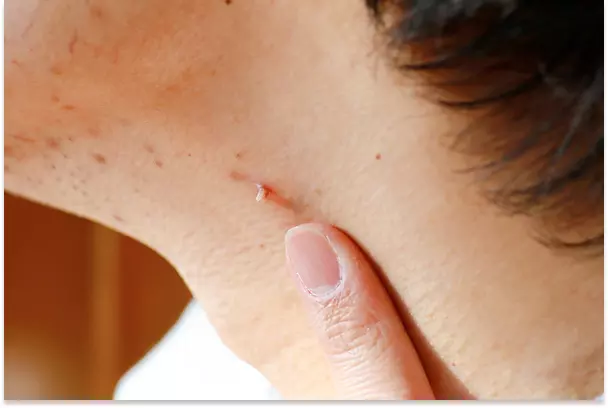
Understanding Skin Wart Removal and Severity Levels
Warts are a common skin concern that many people experience at some point in their lives. These small growths on the skin can appear anywhere on the body and are caused by certain strains of the human papillomavirus.
While warts are generally harmless, they can be bothersome, uncomfortable, and sometimes embarrassing.
Understanding the relationship between wart severity and the approach to removal can help anyone make informed decisions about their skin health.
What Are Skin Warts and Why Do They Appear
Skin Wart Removal Cost in Dubai develops when the virus enters the body through tiny cuts or breaks in the skin. The virus causes the top layer of skin to grow rapidly, creating a rough, raised bump.
Warts are contagious and can spread through direct contact or by touching surfaces that have been in contact with the virus.
The appearance and behavior of warts can vary greatly from person to person depending on several factors including immune system strength and the location of the wart.
Common Types of Skin Warts
Common Warts
These warts typically grow on fingers, hands, and knees. They have a rough, grainy appearance and are often grayish-brown in color. Common warts may have tiny black dots which are actually small clotted blood vessels.
Plantar Warts
Found on the soles of the feet, plantar warts grow inward due to pressure from walking and standing. They can be quite painful and feel like walking on a small stone. These warts often have a hard, thick skin layer covering them.
Flat Warts
These are smaller and smoother than other warts. Flat warts tend to grow in large numbers, sometimes up to one hundred at a time. They commonly appear on faces, legs, or other areas where people shave.
Filiform Warts
These warts look like long, narrow growths and often appear on faces, particularly around the mouth, eyes, or nose. They grow quickly and have a thread-like appearance.
Factors That Determine Wart Severity
The severity of a wart condition depends on several interconnected factors that influence how challenging the removal process might be. Understanding these factors helps set realistic expectations for anyone dealing with warts.
Size and Number of Warts
A single small wart is generally considered less severe than multiple warts or a cluster of warts. Larger warts that have grown over time may require more attention than newly formed smaller ones.
The number of warts present also matters because multiple warts can indicate a more active virus or a longer-standing condition.
Location of Warts
Warts in certain body areas can be more problematic than others. Warts on weight-bearing areas like feet can cause discomfort and may become more irritated with daily activities.
Warts on visible areas like the face or hands can affect self-confidence and may prompt people to seek removal sooner.
Duration of the Condition
Warts that have been present for a long time may have developed deeper roots or thicker layers of skin covering them.
Older warts can be more stubborn and might require more attention compared to newer growths that have not had time to establish themselves.
Immune System Health
People with stronger immune systems often find that their warts resolve more quickly or respond better to removal attempts.
Those with compromised immune systems may experience more persistent or widespread wart outbreaks that are considered more severe.
Mild Wart Severity
Mild cases typically involve one or two small warts in areas that are not constantly irritated. These warts are usually recent in appearance and have not had time to grow large or spread.
People with mild wart conditions often notice that their warts are relatively flat, have defined borders, and do not cause significant discomfort during daily activities.
In mild cases, the skin around the wart appears healthy without signs of spreading or irritation. The wart itself may still be responsive to basic approaches and often has not developed the thick, hard covering seen in more established growths.
Moderate Wart Severity
Moderate severity includes situations where warts have grown larger, perhaps the size of a pea or larger. There may be several warts present, possibly in clusters, though they remain contained to one general body area.
These warts may have developed thicker surface layers and might cause occasional discomfort, especially if located in areas that experience friction.
People with moderate wart severity might notice that their warts have been present for several months and have not resolved on their own.
The warts may have started to spread slowly to nearby skin but are not yet covering large areas. Discomfort during certain activities like walking or writing might be present depending on wart location.
Severe Wart Severity
Severe cases involve numerous warts that may cover significant areas of skin. These warts are often large, thick, and deeply embedded.
Mosaic warts, which are clusters of plantar warts growing together, fall into this category. Severe cases often involve warts that have persisted for years and have proven resistant to previous removal attempts.
In severe situations, warts may cause considerable discomfort or pain during normal activities. The skin around the warts might show signs of irritation or changes.
People with compromised immune systems or certain health conditions may be more likely to experience severe wart outbreaks that are difficult to manage.
Factors That Influence Wart Removal Approach
The severity level of warts plays a significant role in determining which removal methods might be appropriate. Mild cases often respond well to simpler approaches while moderate and severe cases may require more comprehensive attention.
Time Considerations
The duration a wart has been present affects how deeply it has established itself. Newer warts typically have not developed the thick protective layers that older warts possess, making them potentially easier to address.
Skin Type and Sensitivity
Different skin types react differently to wart removal approaches. Some people have sensitive skin that requires gentler methods while others have resilient skin that tolerates more intensive approaches.
The area where the wart is located also matters since facial skin is more delicate than skin on hands or feet.
Previous Removal Attempts
Warts that have been previously treated without success may have developed some resistance or may be more deeply embedded. This history can influence how future removal efforts are approached.
Understanding the Removal Process
The journey of wart removal typically involves multiple steps and requires patience. Warts do not always disappear with one attempt, and several sessions may be needed for complete removal.
The process involves working through the layers of the wart to reach its base where the virus resides.
Regular monitoring of progress helps determine if the chosen approach is working or if adjustments are needed. Some warts may shrink gradually while others may change color or texture as they respond to removal efforts.
When to Seek Professional Input
While many warts can be managed with patience and consistent care, certain situations warrant professional input. Warts that change appearance, bleed, or become painful should be examined.
Similarly, warts that spread rapidly or appear in sensitive areas like the face or genitals benefit from professional evaluation.
People with diabetes or circulation issues should be particularly attentive to foot warts since Enfield Royal Clinic Dubai offers these conditions can affect healing.
Anyone uncertain about whether a skin growth is actually a wart should have it checked to confirm the diagnosis before proceeding with any removal approach.
Read: The Role of Nutrition in Warts Healing Post Removal in Islamabad
Frequently Asked Questions
How can someone tell if their wart is mild or severe
The severity can be assessed by looking at the size, number, and behavior of the warts. Mild warts are typically few in number, small in size, and have not spread to other areas.
Severe warts are numerous, large, clustered together, or have been present for a long time without improvement. The level of discomfort experienced during daily activities also provides clues about severity.
Do all warts need to be removed
Not all warts require removal. Many warts eventually go away on their own as the immune system fights off the virus. This process can take months or even years.
The decision to remove warts often depends on factors like discomfort, appearance concerns, or the risk of spreading them to others.
Can warts become more severe over time
Warts can indeed become more severe if left unaddressed. They may grow larger, develop thicker protective layers, and spread to nearby skin.
Warts that are constantly irritated by friction from clothing, shoes, or daily activities may also become more problematic over time.
Why do some people get more severe warts than others
Individual immune response plays a major role in wart severity. People with stronger immune systems often control wart virus more effectively.
Age also matters since children and young adults tend to get warts more frequently but often clear them faster. Underlying health conditions that affect immunity can contribute to more severe or persistent wart outbreaks.
How long does it typically take to see improvement with wart removal
Improvement timelines vary widely based on wart severity and individual factors. Mild warts may show changes within weeks while more severe warts might take months to fully resolve.
Consistency and patience are important since warts can be stubborn and may require ongoing attention before they disappear completely.
Can warts come back after they have been removed
Warts can potentially return even after successful removal because the virus may remain in surrounding skin cells. The immune system ultimately controls the virus, and some people are more prone to recurrences than others.
Maintaining good skin health and avoiding direct contact with warts on oneself or others can help reduce the likelihood of new warts forming.
Are certain body areas more prone to severe warts
Areas that experience frequent moisture, friction, or minor injuries tend to be more susceptible to warts and potentially more severe outbreaks. Hands, feet, and areas that are frequently shaved are common locations.
Plantar warts on feet can become particularly troublesome because of the constant pressure from walking and standing.
What should someone do if a wart becomes painful
Painful warts, especially those on feet or areas that experience pressure, should be given extra attention. Reducing pressure on the area when possible and keeping the wart clean can help.
Persistent pain or pain that worsens over time warrants professional evaluation to ensure there are no underlying issues.
How does skin type affect wart severity and removal
Skin that is naturally thicker or calloused may allow warts to grow more deeply before being noticed. Oily skin might create different conditions for wart development compared to dry skin.
Skin sensitivity also matters since some people experience more irritation with certain removal approaches, which can affect consistency and success.
Can multiple warts be addressed at the same time
Multiple warts can certainly be addressed simultaneously, though the approach may need to be tailored to the number and location of the growths.
Widespread warts or those covering large areas may require more comprehensive planning to ensure healthy surrounding skin is protected while addressing each wart effectively.