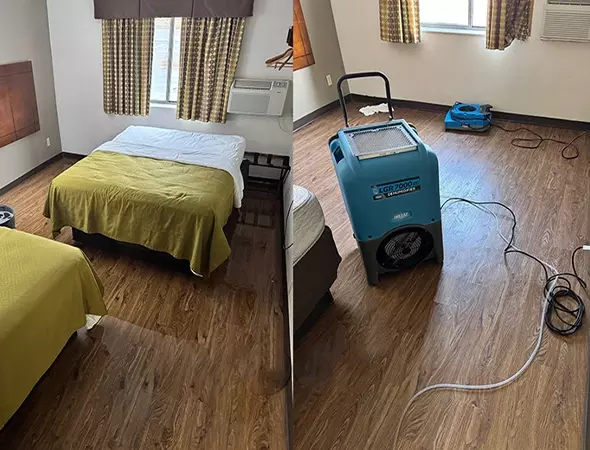
Understanding Residential Restoration Services in Calhoun, GA
A burst pipe at 2 a.m. rarely gives a warning. One minute a family is asleep, and the next, water is spreading across the hardwood floor and soaking into the drywall.
Situations like these are far more common than most homeowners realize, and they explain why residential restoration services in Calhoun, GA have become an important part of protecting local homes.
Restoration work covers more than mopping up water. It involves drying, cleaning, repairing, and sometimes rebuilding parts of a house after damage from water, fire, storms, or mold. Understanding how this process works can help homeowners act quickly when trouble strikes.
What Home Restoration Actually Involves
Restoration is the step that comes after the initial emergency is under control. It focuses on returning a property to the condition it was in before the damage happened.
The scope depends on the situation. A small kitchen leak might need only drying and minor repairs. A house hit by a major storm could require structural work, mold treatment, and full reconstruction of certain rooms.
Most projects share a few common stages:
- Assessment of the damage and any safety hazards
- Water or debris removal to stop further harm
- Drying and dehumidifying affected areas
- Cleaning and sanitizing surfaces and belongings
- Repairs and rebuilding to finish the job
Each stage matters. Skipping the drying phase, for example, can leave hidden moisture that leads to mold weeks later.
Why Timing Makes Such a Difference
Damage grows fast. Water can seep behind walls within hours, and mold can begin forming in as little as 24 to 48 hours. This is why quick response times are one of the most valued parts of any restoration effort.
Fast action also tends to lower total repair costs. The longer moisture or smoke lingers, the more materials it ruins. Catching problems early often means saving flooring, cabinets, and personal items that would otherwise need replacing.
For homeowners, the lesson is simple: the sooner damage is addressed, the smaller the problem usually stays.
Common Situations Local Homeowners Face
Homes in North West Georgia deal with a mix of weather and everyday plumbing risks. Heavy rain, aging pipes, and sudden temperature drops all play a role.
A few examples show how varied these problems can be:
- A slow leak under a bathroom sink that quietly warps the floor over months
- Storm flooding that pushes water into a basement or crawl space
- A small electrical fire that leaves smoke damage throughout a living room
- Mold discovered behind a wall after a roof leak goes unnoticed
Each case calls for a slightly different approach, which is why trained professionals often assess the property before deciding on a plan.
Read: Affordable & Reliable Roofing Services | AAARoofingstl
How Homes and Businesses Differ
While the core ideas overlap, restoring a home is not the same as restoring a business. Homes involve personal belongings, family routines, and living spaces that need careful handling.
Businesses, on the other hand, deal with downtime, inventory, and customer access. That is why commercial restoration services in Adairsville, GA often focus heavily on speed and minimizing disruption to daily operations.
A restaurant recovering from a kitchen fire, for instance, has very different priorities than a family recovering from a flooded basement. Understanding this difference helps property owners set the right expectations.
What to Look For in a Restoration Provider
Not every provider offers the same level of care or expertise. Homeowners tend to get the best results when they check a few key details before hiring.
Helpful things to consider include:
- Response availability, since emergencies rarely happen at convenient times
- Proper training and certification for handling water, fire, and mold
- Clear communication about the process and timeline
- Experience with insurance claims, which can ease a stressful situation
Local knowledge also helps. Companies familiar with the Calhoun, GA area often understand regional weather patterns and common home construction styles.
Providers such as Voda Cleaning & Restoration of North West Georgia are among the local names that homeowners may come across when researching options.
The Role of Insurance in Restoration
Many restoration projects tie directly into homeowners insurance. Water and fire damage are frequently covered, though the details depend on the policy.
Documenting the damage with photos before cleanup begins is a smart habit. Clear records make the claims process smoother and help avoid disputes later.
Some restoration teams work directly with insurance companies, which can reduce paperwork and stress for the homeowner. Asking about this early can save time.
A Realistic Look at the Process
Imagine a family returns from vacation to find a broken water heater has flooded part of the house. The panic is real, but the path forward is usually clear.
First, the source of the water is stopped.
Then the space is dried, damaged materials are removed, and repairs begin. Within days or weeks, depending on severity, the home starts to feel normal again.
This steady, structured approach is what separates professional restoration from a quick DIY cleanup that often misses hidden damage.
Key Takeaways for Homeowners
Restoration is about more than repairs — it is about protecting the safety and value of a home. Acting quickly, choosing qualified help, and keeping good records all make a difference.
If you own property in the area, it helps to know your options before an emergency happens. Keep a few trusted local providers in mind so you are not scrambling during a crisis. A little preparation now can save a great deal of stress later.
Frequently Asked Questions
How quickly should restoration begin after water damage?
Ideally within the first 24 to 48 hours. Fast action helps prevent mold growth and reduces the amount of material that needs replacing.
Does homeowners insurance cover restoration costs?
Many policies cover sudden damage from water or fire, though coverage varies. Reviewing your policy and documenting the damage with photos is always a good idea.
Can homeowners handle restoration on their own?
Minor cleanups may be manageable, but larger damage often hides moisture or structural issues. Professionals have the tools to detect and treat problems that are easy to miss.
How long does the restoration process usually take?
It depends on the severity. Small projects may take a few days, while major damage involving rebuilding can take several weeks.
What is the difference between cleanup and restoration?
Cleanup handles the immediate mess, while restoration returns the property to its original condition through drying, repairs, and reconstruction when needed.