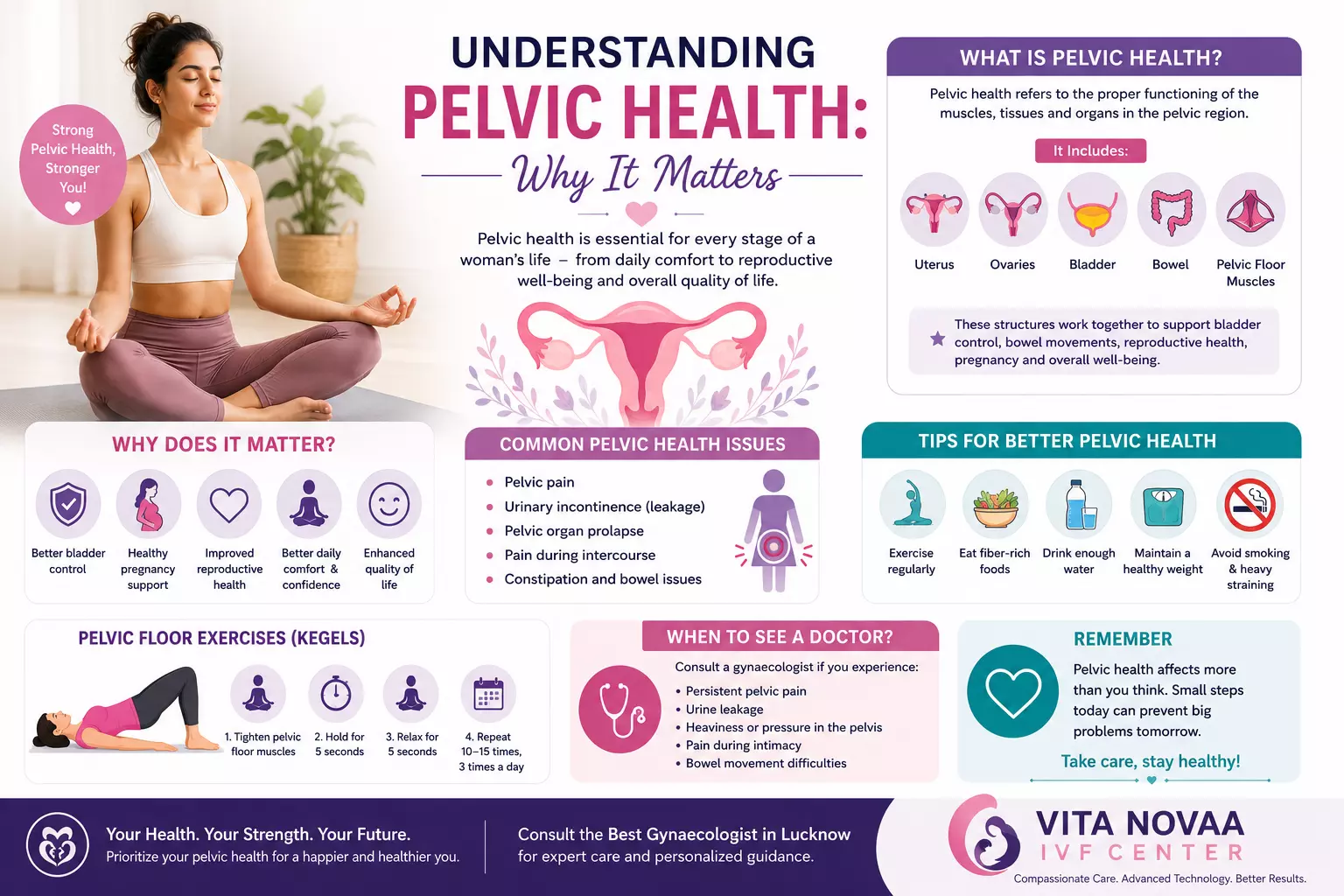
Understanding Pelvic Health: Why It Matters
Women often pay attention to visible health concerns such as weight changes, skin issues, or menstrual problems, but one area that is frequently overlooked is pelvic health. Pelvic health plays an important role in a woman's overall well-being and can affect daily activities, reproductive health, pregnancy, and quality of life.
Many women do not think about pelvic health until symptoms like pain, discomfort, or bladder problems appear. However, understanding pelvic health and taking care of it early can help prevent many complications.
If you are looking for guidance from the Best Gynaecologist in Lucknow, understanding pelvic health can be an important step toward maintaining overall wellness.
What Is Pelvic Health?
Pelvic health refers to the proper functioning of the muscles, tissues, and organs located in the pelvic area.
The pelvic region includes:
- Uterus
- Ovaries
- Bladder
- Bowel
- Pelvic floor muscles
These structures work together to support important body functions such as:
- Urination
- Bowel movements
- Reproductive health
- Pregnancy support
- Sexual health
Healthy pelvic muscles and organs help maintain normal body functions and daily comfort.
What Are Pelvic Floor Muscles?
Pelvic floor muscles are a group of muscles located at the bottom of the pelvis.
These muscles help:
- Support pelvic organs
- Control bladder function
- Support bowel movements
- Support pregnancy and childbirth
- Maintain core stability
When these muscles become weak or tight, various health problems may develop.
Why Does Pelvic Health Matter?
Pelvic health affects more than just reproductive health.
Healthy pelvic function contributes to:
Better Bladder Control
Strong pelvic muscles help control urine flow and reduce accidental leakage.
Healthy Pregnancy Support
During pregnancy, pelvic muscles support the growing baby and help prepare the body for childbirth.
Better Reproductive Health
Pelvic health can influence overall reproductive wellness.
Improved Daily Comfort
Pelvic discomfort may interfere with daily activities, work, and sleep.
Better Quality of Life
Good pelvic health can support physical and emotional well-being.
Common Pelvic Health Problems in Women
Many women experience pelvic health issues at some point in life.
Pelvic Pain
Pelvic pain may occur due to:
- Infections
- Endometriosis
- Muscle problems
- Hormonal conditions
Pain may be mild or severe.
Urinary Incontinence
This means accidental leakage of urine.
It may happen during:
- Coughing
- Sneezing
- Laughing
- Exercise
Pelvic Organ Prolapse
This condition occurs when pelvic muscles become weak and organs shift downward.
Symptoms may include:
- Pressure sensation
- Discomfort
- Heaviness in the pelvic area
Pain During Intercourse
Pelvic muscle problems and certain medical conditions may contribute to discomfort.
Constipation
Weak pelvic muscles can sometimes affect bowel movements.
Causes of Pelvic Health Problems
Several factors may affect pelvic health.
Pregnancy and Childbirth
Pregnancy places additional pressure on pelvic muscles.
Vaginal delivery may sometimes affect muscle strength.
Aging
Muscle strength naturally changes with age.
Hormonal Changes
Hormones support tissue strength and flexibility.
Hormonal changes during menopause may affect pelvic tissues.
Obesity
Excess body weight can increase pressure on pelvic structures.
Chronic Constipation
Frequent straining may weaken pelvic muscles over time.
Heavy Lifting
Repeated heavy lifting may increase stress on the pelvic floor.
Surgery
Certain pelvic surgeries may affect pelvic function.
Symptoms That Should Not Be Ignored
Women often ignore early warning signs because they assume they are normal.
Some symptoms may require medical attention:
- Persistent pelvic pain
- Urine leakage
- Pain during intercourse
- Frequent urination
- Difficulty emptying the bladder
- Heavy pressure in the pelvis
- Severe menstrual pain
- Lower back discomfort
If symptoms continue, consulting the Best Gynaecologist in Lucknow can help identify possible causes.
How Pelvic Health Affects Reproductive Health
Pelvic health and reproductive health are closely connected.
Poor pelvic health may sometimes influence:
Menstrual Comfort
Certain pelvic conditions may contribute to painful periods.
Fertility
Conditions affecting pelvic organs may impact conception in some women.
Pregnancy
Healthy pelvic muscles support pregnancy and childbirth.
Recovery After Delivery
Pelvic muscles play an important role after childbirth.
Read: 9-Month Pregnancy Care Tips: A Comprehensive Guide to
Ways to Maintain Healthy Pelvic Health
Simple lifestyle habits can help support pelvic wellness.
Exercise Regularly
Physical activity supports muscle strength and circulation.
Activities may include:
- Walking
- Yoga
- Stretching
- Low-impact exercise
Maintain a Healthy Weight
Balanced body weight reduces pressure on pelvic muscles.
Eat Fiber-Rich Foods
Fiber helps prevent constipation.
Examples include:
- Fruits
- Vegetables
- Whole grains
- Beans
Drink Enough Water
Hydration supports healthy body function.
Avoid Smoking
Smoking may affect tissue health and increase coughing, which can stress pelvic muscles.
Avoid Heavy Straining
Frequent heavy lifting and straining may affect muscle strength.
What Are Pelvic Floor Exercises?
Pelvic floor exercises help strengthen the muscles that support pelvic organs.
These exercises may help:
- Improve bladder control
- Support pelvic strength
- Reduce discomfort
- Improve recovery after childbirth
Healthcare professionals can provide guidance regarding proper techniques.
When Should You Visit a Gynaecologist?
Many women delay seeking help because they assume pelvic symptoms will improve on their own.
Consider consulting a doctor if:
- Pelvic pain becomes severe
- Symptoms affect daily activities
- Urinary problems continue
- Menstrual pain becomes worse
- Symptoms continue for a long period
Early diagnosis may help prevent further complications.
Why Choose Vita Novaa IVF Center?
Women's health needs personalized attention and experienced care. Vita Novaa IVF Center focuses on providing compassionate support and comprehensive healthcare services tailored to individual needs.
The center combines modern technology with experienced specialists to help women receive proper evaluation and treatment guidance. Whether it is reproductive health concerns, fertility support, or women's wellness care, the team aims to provide patient-centered care throughout every stage of treatment
.
If you are looking for support from the Best Gynaecologist in Lucknow, Vita Novaa IVF Center is committed to helping women make informed healthcare decisions.
Conclusion
Pelvic health is an important part of overall wellness that many women often overlook. Healthy pelvic muscles and organs support daily activities, reproductive health, pregnancy, and overall quality of life.
Paying attention to symptoms and maintaining healthy lifestyle habits can help support pelvic wellness. If you experience ongoing discomfort or pelvic concerns, seeking guidance from the Best Gynaecologist in Lucknow can help identify possible causes and ensure timely care.
FAQs
1. What is pelvic health?
Pelvic health refers to the proper functioning of pelvic muscles, tissues, and organs that support bladder, bowel, and reproductive functions.
2. Can pregnancy affect pelvic health?
Yes. Pregnancy and childbirth may place additional pressure on pelvic muscles and tissues.
3. What are common symptoms of pelvic health problems?
Common symptoms include pelvic pain, urine leakage, pressure sensation, and discomfort during daily activities.
4. Can pelvic exercises help?
Pelvic floor exercises may help strengthen muscles and support pelvic function.
5. When should I see a gynaecologist for pelvic health concerns?
You should consider medical advice if symptoms become severe, persistent, or interfere with daily life.