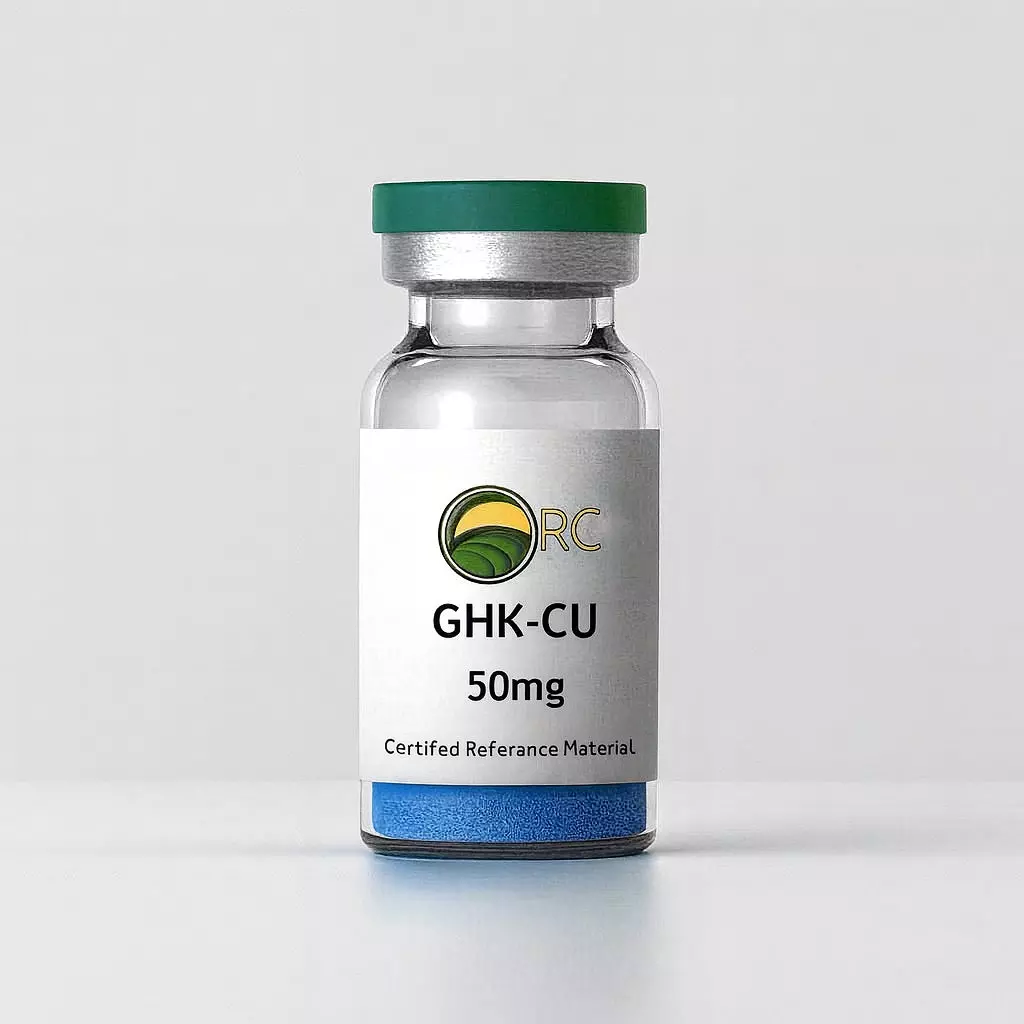
Understanding GHK-Cu and Its Potential Benefits for Skin Health
Skin health plays an important role in maintaining a youthful appearance and protecting the body from environmental damage.
As skincare research continues to advance, scientists are exploring different compounds that may support skin repair, collagen production, and overall skin quality.
One compound receiving attention in cosmetic and scientific research is GHK-Cu, a copper-binding peptide associated with several biological processes involved in skin maintenance and regeneration.
Its potential applications have made it an interesting subject for researchers investigating advanced skincare solutions.
What Is GHK-Cu?
GHK-Cu is a naturally occurring copper peptide complex consisting of a small chain of amino acids bound to a copper ion. It is found naturally in human plasma, saliva, and urine, although its levels can change with age.
Researchers have studied this compound because of its potential involvement in tissue repair, cellular communication, and skin regeneration.
Copper is an essential trace mineral that supports several biological functions. It contributes to enzyme activity, connective tissue formation, and antioxidant defence.
When combined with a peptide, copper may participate in biological processes that influence how skin cells function and respond to damage.
The growing interest in this compound comes from its possible ability to support natural skin maintenance mechanisms rather than simply improving the appearance of the skin temporarily.
How Does It Work in the Skin?
The skin is constantly exposed to environmental factors such as ultraviolet radiation, pollution, temperature changes, and everyday stress. These factors can gradually affect collagen, elastin, and other structural components responsible for skin firmness and elasticity.
GHK-Cu has been investigated for its potential role in regulating cellular activities associated with tissue repair. Researchers believe it may influence the behaviour of fibroblasts, which are specialised cells responsible for producing collagen and other components of the skin's extracellular matrix.
It has also attracted scientific interest because of its possible involvement in antioxidant activity and inflammatory responses. These processes are important for maintaining healthy skin and supporting its natural recovery mechanisms.
However, laboratory findings do not automatically establish the effectiveness of every skincare product containing this ingredient. More high-quality human research is needed to determine the extent of its benefits.
Potential Benefits for Skin Health
1. Supporting Collagen Production
Collagen is one of the most important proteins in the skin. It provides structural support and helps maintain firmness, smoothness, and elasticity. As people age, natural collagen production gradually declines, contributing to fine lines, wrinkles, and changes in skin texture.
Research into copper peptides suggests that they may influence biological pathways involved in collagen production. By supporting fibroblast activity, these compounds could potentially contribute to healthier-looking skin.
Maintaining collagen is particularly important for individuals interested in long-term skincare and age-related skin changes.
2. Improving Skin Texture and Elasticity
Uneven texture, roughness, and reduced elasticity are common concerns associated with ageing and environmental exposure. Healthy skin depends on a balanced structure of collagen, elastin, and other supportive proteins.
GHK-Cu has been investigated for its potential influence on extracellular matrix remodelling. This process involves the maintenance and renewal of structural materials within the skin.
Although further clinical studies are necessary, these properties make copper peptides an interesting subject in cosmetic research focused on improving skin quality.
3. Supporting Natural Skin Repair
The skin acts as a protective barrier against external substances, microorganisms, and environmental damage. When this barrier becomes compromised, the body's natural repair mechanisms become particularly important.
Copper peptides have attracted attention for their possible involvement in tissue repair and cellular regeneration. Laboratory research suggests that they may influence processes associated with wound healing and the activity of cells involved in tissue maintenance.
These findings are promising, but they should not be interpreted as proof that cosmetic peptide products can treat wounds or replace established medical treatments.
4. Providing Antioxidant Support
Free radicals are unstable molecules that can contribute to oxidative stress within the body. Environmental pollution, ultraviolet exposure, and other external factors can increase oxidative stress, potentially affecting skin structure over time.
Antioxidant defence mechanisms help protect cells from this type of damage. Copper peptides have been studied in relation to antioxidant activity and their potential influence on biological processes that help maintain cellular balance.
Supporting these natural defence mechanisms may be relevant to maintaining healthier-looking skin as part of a comprehensive skincare routine.
5. Supporting the Appearance of Ageing Skin
Fine lines, wrinkles, uneven texture, and reduced firmness are common signs of ageing. While these changes are natural, many people explore skincare ingredients that may help maintain a smoother and more refreshed appearance.
Copper peptide research has focused on its possible relationship with collagen production, skin remodelling, and cellular repair. These mechanisms could potentially contribute to improvements in the visible characteristics of ageing skin.
However, results depend on product formulation, concentration, individual skin characteristics, and other factors. Consumers should avoid expecting immediate or guaranteed results.
GHK-Cu in Modern Skincare Research
The cosmetic industry increasingly explores peptides because of their potential to interact with specific biological pathways. Unlike traditional moisturising ingredients that primarily improve hydration, certain peptides are investigated for their possible signalling functions within the skin.
GHK-Cu is particularly interesting because it combines a short amino acid sequence with copper, an essential mineral involved in numerous biological processes.
Researchers continue investigating its stability, absorption, formulation, and effectiveness in topical applications. These factors are important because a compound's performance in laboratory conditions may differ from its behaviour in a finished skincare product.
Modern formulations may combine peptides with moisturising ingredients and other skin-supporting compounds. Nevertheless, compatibility and formulation quality remain essential considerations.
Important Considerations Before Using Copper Peptides
Although copper peptides have attracted considerable scientific interest, consumers should approach new skincare ingredients carefully.
First, product quality matters. Ingredients should come from reputable manufacturers that provide transparent information about formulation, quality control, and intended use.
Second, skin sensitivity should be considered. Individuals introducing a new topical product should follow its instructions and consider performing a patch test. If irritation, redness, or discomfort develops, use should be discontinued.
Third, copper peptides should not be considered a replacement for established skincare practices. Daily sun protection, gentle cleansing, adequate moisturisation, and a balanced lifestyle remain important foundations of skin health.
It is also important to distinguish between cosmetic products intended for topical use and research-grade peptide materials. Products not specifically manufactured and approved for cosmetic application should not be used directly on the skin.
The Future of Peptide-Based Skincare
Peptide research continues to expand as scientists investigate how small biological molecules interact with cells and tissues.
Copper-binding peptides represent one area of interest because of their potential involvement in collagen-related pathways, tissue maintenance, and antioxidant processes.
Future studies may provide clearer information about effective formulations, suitable concentrations, long-term safety, and measurable cosmetic outcomes.
As scientific understanding improves, peptide-based ingredients may contribute to more specialised skincare formulations. However, evidence-based research and responsible product development will remain essential for determining their practical value.
About Adonis Elite Peptides
Adonis Elite Peptides is a brand associated with the peptide research market, where interest in specialised compounds and their potential scientific applications continues to grow.
As research into copper-binding peptides develops, the brand name may be relevant to consumers and researchers exploring this area.
Anyone considering peptide-related products should carefully review product specifications, quality information, intended applications, and relevant safety guidance before making a purchasing decision. Transparency and responsible handling are important when evaluating specialised peptide products.
Conclusion
Copper peptides represent an interesting area of modern skincare research because of their potential relationship with collagen production, cellular repair, antioxidant activity, and skin maintenance.
Their possible applications have attracted attention from researchers investigating new approaches to maintaining skin quality and addressing visible signs of ageing.
Although early findings provide encouraging insights, further clinical research is necessary to establish their effectiveness and long-term safety in cosmetic applications.
For now, copper peptides are best viewed as promising research ingredients rather than guaranteed skincare solutions. Combining evidence-based skincare practices with carefully selected products remains the most practical approach to supporting healthy-looking skin.