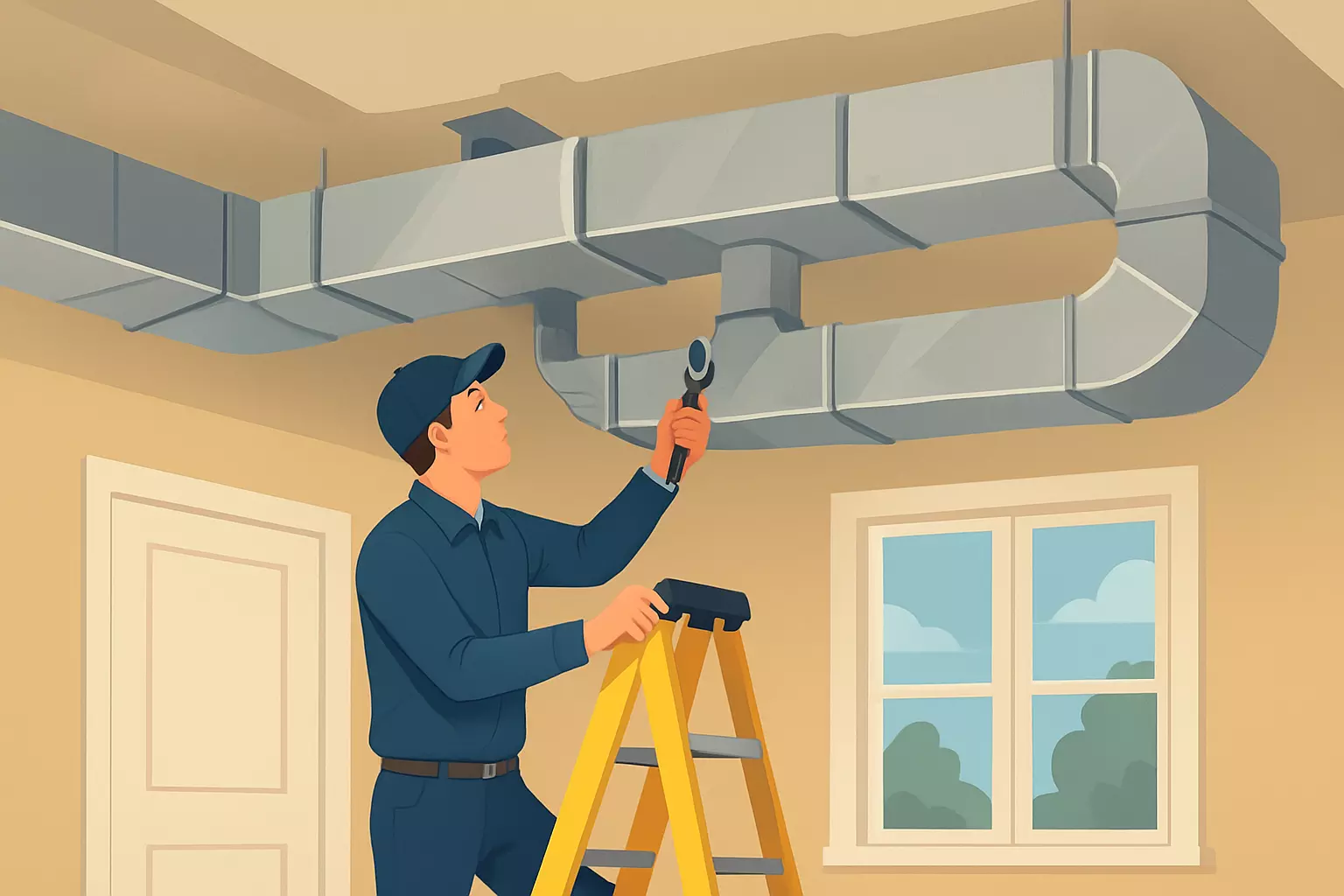
Understanding Air Duct Repair and Replacement in Residential Homes
Air ducts are a foundational part of any home’s heating and cooling system, yet they’re often one of the most overlooked components. Hidden behind walls, ceilings, or attics, ductwork quietly delivers conditioned air throughout the home. When ducts are damaged, poorly designed, or aging, even a high-quality HVAC system can struggle to keep indoor spaces comfortable.
This article provides a general, educational overview of the duct repair and replacement niche. It explains how duct systems affect comfort and efficiency, when repairs may be sufficient, and when full replacement becomes the more practical option.
The Role of Ductwork in Home Comfort
Ductwork serves as the distribution network for heated and cooled air. After air is conditioned by the HVAC system, ducts carry it to each room and return air back for reconditioning. For this process to work efficiently, ducts must be properly sized, sealed, and intact.
When ducts are compromised, common problems can arise, such as:
- Inconsistent temperatures between rooms
- Weak or uneven airflow
- Increased HVAC run times
- Higher energy consumption
Because these symptoms can also be caused by equipment issues, duct problems often go unnoticed without a closer evaluation.
Common Causes of Duct Damage
Duct systems can deteriorate for a variety of reasons, especially as homes age. Some of the most common causes of duct damage include:
- Wear and tear: Aging materials may crack, sag, or separate over time
- Poor installation: Improperly supported or undersized ducts from the start
- Physical damage: Accidental impact during renovations or attic work
- Pest activity: Animals can tear or dislodge duct sections
- Moisture exposure: Can weaken materials and connections
These issues often worsen gradually, making early detection important.
When Duct Repair May Be Enough
Not all duct issues require full replacement. In many cases, targeted repairs can restore performance and improve airflow. Repairs are often appropriate when damage is limited and the overall system design is still sound.
Examples of repairable issues include:
- Loose or disconnected joints
- Small cracks or punctures
- Collapsed sections in isolated areas
- Minor airflow leaks
Duct repair focuses on correcting specific problem areas while preserving the existing system where possible.
Signs Duct Replacement May Be the Better Option
In some situations, repairs are no longer cost-effective or sufficient. Duct replacement is often considered when the system has widespread issues or fundamental design flaws.
Common reasons for replacement include:
- Extensive deterioration throughout the duct system
- Poor duct sizing that restricts airflow
- Inefficient layouts that don’t serve all rooms well
- Repeated repairs with limited improvement
- Major home renovations or additions
Replacing ductwork provides an opportunity to redesign airflow distribution to better match the home’s current needs.
How Duct Issues Affect Energy Efficiency
Damaged or poorly designed ducts are a major source of energy loss. Air that escapes into attics, crawl spaces, or walls never reaches living areas, forcing the HVAC system to work harder to compensate.
Improved duct performance through repair or replacement can lead to:
- Reduced heating and cooling costs
- Shorter system run times
- Less strain on HVAC equipment
- More consistent indoor temperatures
Because ductwork directly impacts system efficiency, addressing duct issues often delivers noticeable improvements.
Read: The Complete Guide to Air Duct Sealing and Cleaning
What Professional Duct Repair and Replacement Typically Involve
Professional duct services begin with a thorough evaluation of the existing system. This assessment looks at duct condition, layout, airflow, and accessibility.
A typical process may include:
- Inspecting visible and accessible duct sections
- Identifying leaks, damage, or design limitations
- Repairing or removing compromised duct sections
- Installing properly sized and supported ducts if replacement is needed
- Testing airflow and system balance
Homeowners researching how duct repair and replacement services generally work often consult informational resources
like to better understand the scope and purpose of these services.
Comfort Improvements Homeowners Often Notice
After duct repair or replacement, many homeowners experience immediate improvements in comfort. These may include:
- More even temperatures throughout the home
- Stronger, more consistent airflow
- Faster heating and cooling response
- Reduced noise from the HVAC system
These benefits contribute to a more comfortable living environment and improved system reliability.
Ductwork and Indoor Air Quality
Beyond comfort and efficiency, duct condition also affects indoor air quality. Damaged ducts can pull in dust, insulation particles, and other contaminants from unconditioned spaces.
Repairing or replacing compromised ducts helps:
- Reduce unwanted contaminants entering the system
- Support cleaner air circulation
- Improve overall HVAC system cleanliness
While ductwork alone doesn’t control air quality, it plays a supporting role alongside filtration and ventilation.
Taking a Long-Term View of Duct Care
Like other parts of a home, duct systems benefit from long-term planning. Periodic inspections, attention to airflow issues, and addressing damage early can prevent more extensive problems later.
A proactive approach helps homeowners:
- Avoid escalating repair costs
- Improve HVAC efficiency over time
- Maintain consistent indoor comfort
- Extend the lifespan of heating and cooling equipment
Conclusion
Air duct repair and replacement are essential but often overlooked aspects of home comfort and efficiency. Understanding how ductwork affects airflow, energy use, and indoor conditions allows homeowners to make informed decisions when problems arise.
Whether addressing minor damage or planning a full system upgrade, properly functioning ducts help ensure that heating and cooling systems deliver comfort where it matters most—inside the home.