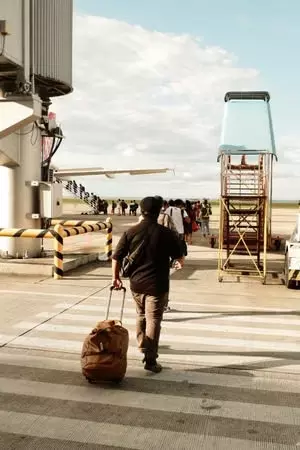
Turkey Transit Visa
Istanbul has become one of the busiest connecting hubs between Asia, Africa, Europe, and the Americas, and thousands of passengers pass through its airport every single day without ever intending to see the city itself.
For most nationalities, that connection happens without any extra paperwork. But for a specific group of travellers heading toward a handful of destinations in Latin America, an additional step enters the picture: the Turkey Transit eVisa.
This guide breaks down what the transit eVisa actually covers, who needs one, how the application works, and what a traveller can realistically do during a layover, based entirely on official guidance published by the Turkey Transit Visa information page.
It is written with the kind of practical detail a first-time transit passenger actually searches for, drawing on the same questions that show up again and again in traveller forums and search results.
What exactly is the Turkey Transit eVisa?
The Turkey Transit eVisa is an online travel authorisation designed for a narrow purpose: allowing certain passport holders to leave the restricted transit zone and remain inside the airport itself for a short window, generally understood to be up to a day, strictly for connecting purposes.
It does not function as a tourist visa, and it does not grant permission to leave the airport grounds or enter the wider country. Anyone hoping to step outside for a few hours of sightseeing during a layover should not confuse this document with a standard entry visa.
Who needs a transit eVisa when flying through Turkey?
Eligibility comes down to nationality. According to the official eligible-country list, passport holders from countries including Afghanistan, Burkina Faso, Cameroon, Guinea, India, Mauritania, and Nepal fall under this requirement when connecting through a Turkish airport.
Travellers from these nations should check the current list carefully before booking, since eligibility criteria can be updated and vary by individual circumstances.
Do all connecting flights through Turkey require this visa?
No, and this is where a lot of confusion tends to creep in. The transit eVisa only becomes relevant under a specific condition: the traveller's final destination must be Colombia, Mexico, Panama, or Venezuela.
Passengers from eligible nationalities connecting onward to destinations outside that short list follow different rules entirely, which may or may not involve a visa depending on the airline's routing and standard transit regulations.
Anyone unsure about their specific itinerary should confirm requirements against their exact final destination rather than assuming a blanket rule applies.
What documents are needed to apply?
The application process stays relatively lean compared to standard entry visas. Two core requirements stand out: a valid passport and confirmed booking details for the final destination.
These get uploaded alongside the completed application form. There is no mention of extensive financial documentation or invitation letters for this particular category, which reflects the transit-only nature of the authorisation.
Read: New Zealand Tourist Visa Application Process Explained
How does the application process actually work?
The process follows three straightforward stages. First, the applicant completes the online visa application form and uploads the required documents.
Second, payment gets submitted through a credit or debit card, or another method displayed during checkout.
Third, the applicant receives status updates by email as the request moves through processing, with the approved eVisa eventually delivered electronically.
Printing a copy for travel remains the recommended step before departure, even though many airports now accept digital confirmations shown on a phone or tablet.
How fast can the transit eVisa be processed?
Processing speed depends on which option gets selected during application. Faster processing, sometimes referred to as super-rush, can return an approval within about an hour, though this comes with an additional fee on top of the standard visa cost.
Standard and rush processing options are also available for travellers who are not working against a tight connection window and prefer the regular timeline.
Fee amounts vary depending on processing speed, and the most accurate current pricing should always be confirmed directly through the official visa fee page before applying.
What can a traveller actually do during a layover at a Turkish airport?
This is one of the more practical questions travellers search for, and the answer depends heavily on how much time sits between flights.
Lounges — Business class passengers and frequent flyer members often get access to airline-operated lounges, while paid-entry lounges remain open to other travellers at most major international airports. These spaces typically include seating, Wi-Fi, refreshments, and sometimes shower facilities.
Rest options — Waiting areas are scattered throughout departure gates, and select airports offer short-stay hotel facilities or dedicated rest zones, though availability differs from one terminal to another.
Food and drink — International and Turkish restaurants operate throughout the terminal, alongside cafés serving lighter meals and beverages. Many food outlets run around the clock to accommodate overnight connections.
Shopping — Duty-free stores sit just past passport control, stocked with everything from electronics and cosmetics to local Turkish products and travel souvenirs.
Everyday passenger services — Free or limited-time Wi-Fi, currency exchange counters, ATMs, and prayer or family care rooms round out the practical amenities available to transiting passengers.
Why accuracy matters more than convenience here
A recurring theme across immigration policy, and one worth repeating for anyone researching this topic, is that transit rules shift based on nationality, routing, and destination country, sometimes with little advance notice.
Relying on outdated blog posts or secondhand travel advice can lead to missed connections or denied boarding.
The safest approach is checking the current eligibility list and application conditions directly through the official source before finalising any booking, and reconfirming details closer to the actual travel date if the itinerary was booked well in advance.
Final thoughts for connecting travellers
The Turkey Transit eVisa exists for a fairly narrow slice of travellers: specific nationalities connecting toward a short list of Latin American destinations. For everyone else passing through Istanbul, transit typically proceeds without this extra step.
Understanding exactly where a particular itinerary falls, well before departure, remains the single most useful habit for anyone routing through one of the world's busiest connecting hubs.