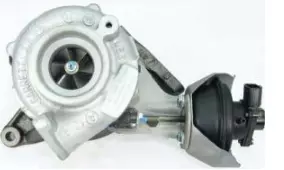
Turbo Repair: Preserving Efficiency and Power in Modern Engines
Turbochargers have revolutionized the way engines deliver performance, blending power with efficiency in ways that naturally aspirated engines struggle to match. By compressing air into the combustion chamber, a turbo increases the oxygen available for fuel combustion, resulting in greater power output and improved fuel economy.
However, given their exposure to extreme conditions—high heat, high pressure, and high rotational speeds—turbos are prone to wear and eventual malfunction. When problems arise, turbo repair becomes the best option to restore performance, maintain reliability, and extend the life of the engine.
Understanding the Demands on a Turbocharger
A turbocharger operates at extraordinary speeds, often rotating above 200,000 RPM. Alongside speed, it must withstand temperatures exceeding 900°C in diesel engines and sometimes higher in petrol engines. This combination of heat, velocity, and pressure pushes the material properties of the turbocharger to their limits.
Key components include:
- Turbine Wheel and Housing – Harness exhaust gases to spin the shaft.
- Compressor Wheel and Housing – Draw in and compress fresh air into the engine.
- Bearing System – Keeps the shaft stable and minimizes friction during high-speed rotation.
- Actuators and Controls – Regulate boost levels and airflow for consistent performance.
Because of these demanding conditions, even minor neglect in maintenance can escalate into turbo failure, making professional repair essential.
Common Indicators of Turbo Trouble
Drivers may notice symptoms long before a turbo fails completely. Early recognition helps prevent additional engine damage. Some of the most common warning signs include:
- Excessive Exhaust Smoke – Oil leaking past worn seals can burn, producing blue or grey smoke.
- Whining or Siren-Like Noises – Caused by imbalance, bearing failure, or contact between compressor blades and housing.
- Loss of Power – A faulty turbo reduces boost pressure, making the engine feel sluggish.
- Excessive Oil Consumption – Damaged seals or poor lubrication inside the turbo can increase oil use.
- Check Engine Light – Modern vehicles often detect turbo underperformance or actuator faults electronically.
Recognizing these symptoms and acting promptly can save both the turbo and the engine from further damage.
The Technical Process of Turbo Repair
Turbo repair is a precise engineering task that goes far beyond replacing damaged parts. Each stage ensures the turbocharger is restored to manufacturer-level performance:
- Initial Diagnosis – Identifying whether the fault lies in lubrication, contamination, actuator failure, or mechanical wear.
- Disassembly – The turbo is dismantled to expose turbine, compressor, bearings, and seals.
- Component Analysis – Each part is measured, inspected under microscopes, and tested for cracks, deformation, or imbalance.
- Cleaning – Specialized chemical and ultrasonic cleaning removes carbon, soot, and oil residue.
- Replacement of Wear Components – Bearings, seals, and other consumable parts are replaced with new high-quality components.
- Balancing – High-speed balancing machines ensure that turbine and compressor wheels spin without vibration, even at 200,000+ RPM.
- Reassembly and Calibration – The turbo is reassembled with precise torque specifications and calibrated for actuator function.
- Final Testing – Many workshops simulate real-world airflow and boost conditions to confirm the turbo performs correctly before reinstallation.
This process demands advanced tools and expertise, emphasizing why turbo repair should only be trusted to professionals.
Challenges in Modern Turbo Repair
Turbocharger technology has evolved significantly in the last decade. Variable geometry turbos, twin-scroll designs, and electronic actuators add complexity to repair work. For example:
- Variable Geometry Turbos (VGTs) use movable vanes that adjust airflow, improving performance across engine speeds. Repair requires calibration to restore vane response.
- Electronic Actuators demand diagnostic software and precision testing to ensure compatibility with engine management systems.
- Lightweight Materials such as titanium and ceramic are used in some high-performance turbos, requiring careful handling to avoid fractures.
Repairing modern turbos is no longer just mechanical—it involves electronics, software calibration, and advanced material knowledge.
Preventive Maintenance and Care
A properly maintained turbo can last well over 150,000 miles. Preventive care reduces the need for early repair:
- Use High-Quality Oil – Lubrication is critical for bearings and seals. Always follow the manufacturer’s oil specification.
- Warm-Up and Cool-Down Periods – Letting the engine idle briefly after hard driving prevents oil from burning inside the turbo.
- Replace Filters on Schedule – Clean air and oil filters prevent debris and sludge from entering the turbo.
- Monitor Boost Pressure – Installing a boost gauge helps ensure the turbo is not being overworked.
These practices significantly extend turbo lifespan while reducing repair costs in the long run.
Economic and Environmental Impact of Repair
Turbo repair is not just about saving money; it also supports environmental sustainability. Reconditioning existing turbos reduces metal waste and the energy footprint associated with manufacturing new parts. For businesses with fleets, repair minimizes downtime and operating costs, making it both a practical and eco-friendly solution.
Why Professional Expertise is Essential
Given the high speeds and precision tolerances involved, even a minor mistake during repair can lead to catastrophic failure. A misaligned shaft, an unbalanced turbine, or poorly sealed bearings can cause engine damage far beyond the cost of the turbo itself. That’s why it is always advisable to Find a specialist near you who has the right diagnostic equipment, technical expertise, and quality control procedures.
Conclusion
Turbochargers embody the intersection of performance and efficiency in modern engines. Yet, their complexity and demanding operating environment mean that they require careful attention when faults occur. Turbo repair is a highly technical process that involves engineering precision, specialized tools, and deep expertise.
With timely intervention, proper maintenance, and reliance on professional repair, drivers can extend the life of their turbochargers while keeping their vehicles running at peak efficiency.