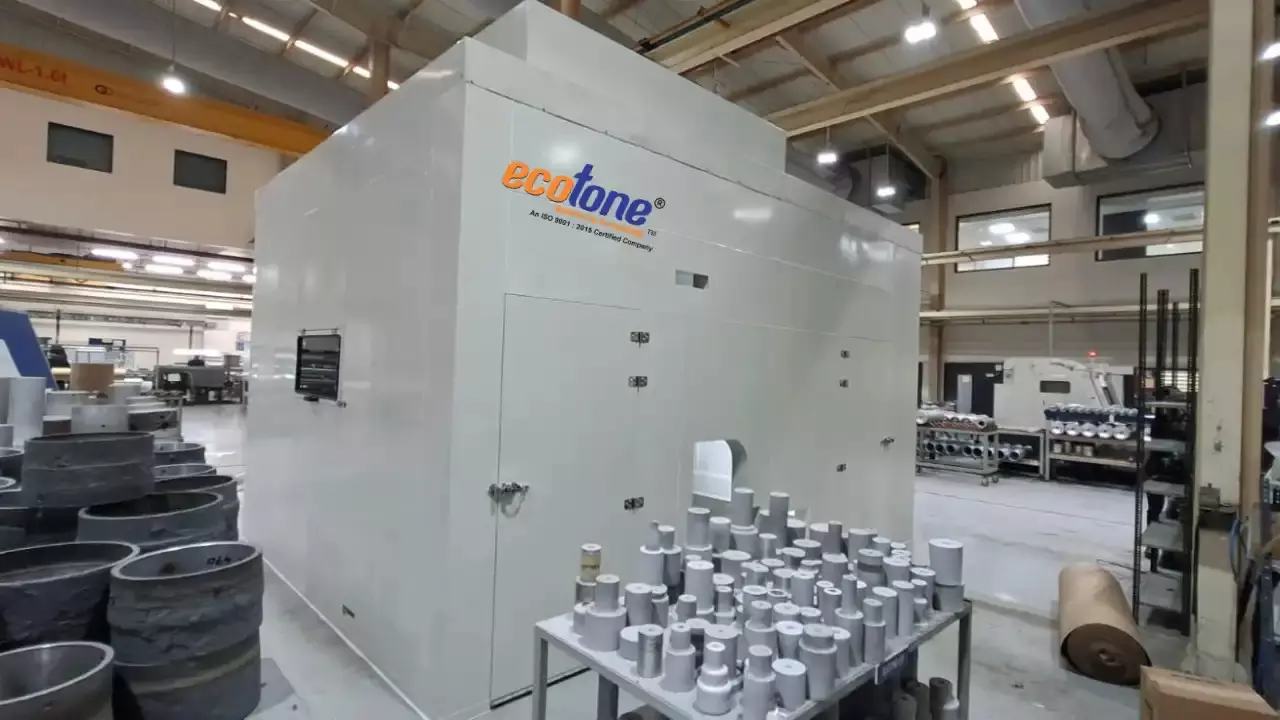
Turbine Acoustic Enclosure: A Practical Solution for Industrial Noise Control
Turbines are essential in power plants, manufacturing facilities, process industries, and energy projects, but their operation can generate high levels of mechanical and aerodynamic noise.
A Turbine Acoustic Enclosure is designed to contain this noise close to the source while maintaining safe operating conditions.
It creates a controlled barrier around the equipment using engineered acoustic panels, sealed joints, and carefully treated openings. This approach can improve workplace comfort, reduce noise exposure, and support site-specific environmental noise requirements.
How Acoustic Enclosures Reduce Turbine Noise
Effective turbine noise control requires more than simply surrounding the machine with metal walls.
Acoustic enclosures generally combine dense outer panels with sound-absorbing insulation such as mineral wool or rockwool. The internal layer absorbs reflected sound energy, while the external skin helps restrict sound transmission.
Doors, panel joints, cable entries, pipe penetrations, and other openings also require proper acoustic sealing because even small untreated gaps can reduce overall performance.
Ventilation Without Compromising Performance
Turbines produce heat and need reliable airflow, so ventilation is a critical part of enclosure design. Acoustic louvers, silencers, treated ducts, and engineered inlet and outlet paths can reduce noise leakage while maintaining cooling air movement.
Designers should consider heat load, airflow volume, pressure drop, ambient temperature, and turbine operating conditions before finalizing the ventilation system.
A properly engineered Turbine Acoustic Enclosure balances noise reduction with thermal management instead of treating these requirements separately.
Read: Are You Ready to Accelerate Business Growth with Wind
Access, Safety, and Structural Design
Maintenance teams need convenient access to the turbine and its associated components.
For this reason, an enclosure may include acoustic doors, removable panels, inspection windows, service openings, internal lighting, and suitable floor arrangements. Outdoor installations may also require weather-resistant construction, corrosion protection, drainage, and durable coatings.
Depending on the application, provisions for fire and gas detection, emergency access, and other safety systems can be incorporated into the enclosure design.
Why Custom Engineering Matters
Every turbine installation differs in size, noise spectrum, layout, ventilation demand, and surrounding environment. A standard enclosure may not address all these variables effectively.
Site assessment and acoustic evaluation help determine panel construction, insulation thickness, ventilation treatment, access requirements, and structural configuration.
A custom Turbine Acoustic Enclosure can therefore provide a more practical solution for the actual operating conditions of the facility.
Maintaining Long-Term Acoustic Performance
Routine inspection is important after installation. Door seals, panel joints, silencers, louvers, insulation, and structural components should be checked periodically for wear or damage.
Modifications to cables, ducts, or piping should also be acoustically sealed. With appropriate engineering and maintenance, a Turbine Acoustic Enclosure can provide dependable industrial noise control while preserving accessibility, cooling, equipment reliability, and day-to-day operational efficiency.