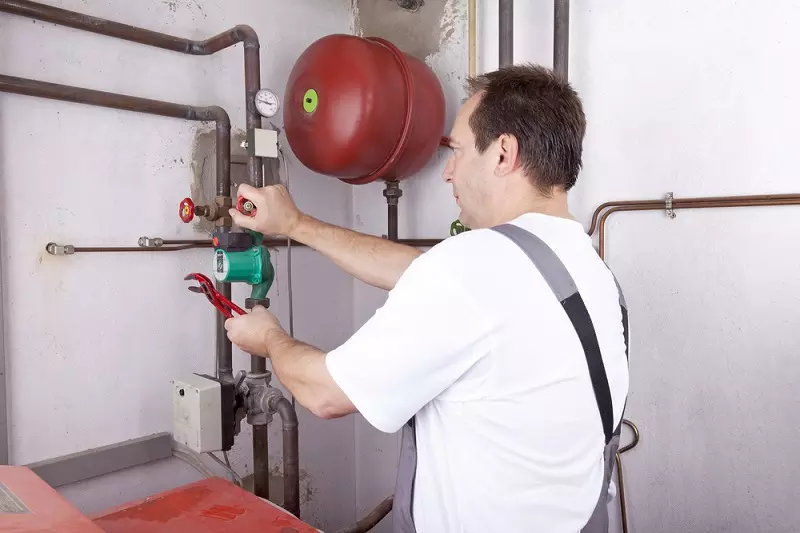
Troubleshooting Common Issues with Hot Water St Kilda Systems
Ever jumped in the shower expecting a warm embrace, only to be met with an Arctic blast? Or perhaps you've noticed your solar hot water system making strange noises that sound like it's auditioning for a horror film soundtrack? What about when your instantaneous gas hot water goes cold mid-shampoo, leaving you frantically trying to rinse soap from your hair?
If you're nodding along to any of these scenarios, you're not alone. Solar hot water systems are brilliant for reducing energy bills and environmental impact, but like any technology, they can sometimes throw a wobbly. Whether you're dealing with lukewarm water when you need it piping hot, mysterious leaks appearing on your roof, or a system that's decided to go completely silent when it should be humming along nicely, this guide has got you covered.

How Solar Hot Water Systems Work?
Before we investigate what can go wrong, it's helpful to understand the basics of how these clever systems work. Solar hot water systems harness the sun's energy through collectors (usually mounted on your roof) to heat water that's stored in an insulated tank. The heated water rises naturally or gets pumped through the system, ready for when you need it.
Most systems include a booster element – either electric or gas – that kicks in when the sun isn't doing its job properly. Think of it as your backup dancer, stepping in when the main performer needs a break. This ensures you've got hot water in St Kilda even during those grey, drizzly days or when demand exceeds what solar alone can provide.
Not Enough Hot Water:
One of the most common complaints is that solar hot water is not hot enough for daily needs. This frustrating issue often crops up during winter months or extended cloudy periods, but it can happen any time of year. The first thing to check is your booster settings – it might simply be turned off or set too low.
Temperature settings on your system controller could also be the culprit. Many systems allow you to adjust the desired water temperature, and if someone's accidentally lowered it, you'll be left with disappointingly tepid showers. Additionally, sediment build-up in the tank can reduce heating efficiency, essentially creating an insulating layer that prevents proper heat transfer.
No Hot Water at All:
When you've got no hot water from solar panels whatsoever, it's time for some detective work. First, check the obvious – is your system turned on? Circuit breakers can trip, isolator switches can be accidentally flipped, and power outages can reset controllers. These simple checks can save you an expensive service call.
If your solar hot water pump is not working the issue, you might hear unusual silence where there should be gentle humming. Pumps can fail due to age, electrical faults, or blockages in the system. Without the pump circulating water through the collectors, you're essentially left with a very expensive roof ornament that doesn't heat anything.
Pressure and Flow Issues:
Solar hot water low-pressure problems can turn your morning shower into a frustrating trickle. Low pressure might indicate a leak somewhere in the system, a faulty pressure relief valve, or issues with your home's overall water pressure. Start by checking if the low pressure affects all taps or just the hot water.
Sometimes the issue isn't low pressure but inconsistent flow. This can happen when air gets trapped in the system, creating pockets that disrupt water flow. You might notice spurting or spluttering from taps, particularly after the system has been serviced or if the water supply has been interrupted.

Leaks and Physical Damage:
Discovering your solar hot water system leaking on the roof is never pleasant. Leaks can develop in collectors due to corrosion, frost damage, or impact from falling branches. Even small leaks can cause significant damage over time, potentially affecting your roof structure and leading to costly repairs beyond just the hot water system.
Physical damage isn't always dramatic. Sometimes it's a gradual deterioration of seals and gaskets, which can be accelerated by extreme weather conditions. Regular visual inspections can catch these issues early. Look for water stains on or around collectors, unusual moss or algae growth on your roof, or water dripping from overflow pipes.
Strange Noises and System Behaviour:
When your solar hot water system starts making noise, it's trying to tell you something. Gurgling sounds often indicate air in the system or problems with water circulation. Banging or knocking noises might suggest thermal expansion issues or water hammer – both fixable but needing attention to prevent damage.
Hissing or whistling sounds frequently point to valve problems, particularly the temperature and pressure relief valve. These valves are crucial safety components, so any issues need prompt attention. A constantly running relief valve might indicate excessive temperature or pressure in your system, which could be due to a faulty thermostat or blocked return line.
Troubleshooting by Brand
Different manufacturers have their quirks, and knowing your system's specific characteristics helps with troubleshooting. Solahart hot water problems, for instance, often relate to their specific controller systems or pump configurations. Their troubleshooting guides are comprehensive, but some issues require familiarity with their particular setup.
Edwards solar hot water booster not working is another brand-specific issue we see frequently. Edwards systems use particular booster elements that can fail differently than generic models. Their diagnostic procedures often involve checking specific error codes on digital controllers, which can point directly to the problem component.
Electric vs Gas Booster Problems:
Electric hot water service not working issues often stem from element failure, thermostat problems, or electrical faults. Elements can burn out over time, especially in areas with hard water that causes mineral build-up. If your electric booster isn't heating, check your switchboard first – the circuit might have tripped due to a fault or overload.
Instantaneous gas hot water problems present differently. These systems rely on proper gas pressure, adequate ventilation, and functioning ignition systems. If your instantaneous hot water goes cold mid-use, it might be due to insufficient gas flow, blocked ventilation, or a faulty flow sensor not detecting water movement properly.
DIY Fixes vs Calling a Professional:
Knowing when to roll up your sleeves and when to reach for the phone can save both money and headaches. Simple tasks like checking and resetting circuit breakers, adjusting temperature settings, or cleaning accessible filters are perfectly suitable for confident DIYers. These basic maintenance tasks can resolve many common issues without professional help.
However, anything involving gas connections, electrical work beyond basic switches, or climbing on roofs should be left to qualified professionals. Working at heights requires proper safety equipment and training, whilst gas and electrical work requires specific licenses. Additionally, DIY repairs might void your warranty or home insurance coverage if something goes wrong.
Maintenance Tips:
Prevention truly is better than a cure when it comes to hot water systems. Annual professional servicing can catch small issues before they become expensive problems. During these services, technicians check valve operation, test water quality, inspect anodes, and ensure all safety devices function correctly.

Between professional services, there's plenty you can do to keep your system running smoothly. Regularly check for visible leaks, ensure roof-mounted collectors are free from excessive dirt or bird droppings, and test your temperature and pressure relief valve every six months. Keep vegetation trimmed away from ground-mounted systems to ensure proper ventilation.
Conclusion:
Dealing with hot water system problems in St Kilda can be frustrating, especially when all you want is a nice hot shower after a long day. But understanding these common issues – from solar hot water not working properly to instantaneous systems cutting out mid-use – puts you in control. You now know what to look for, what you can fix yourself, and crucially, when it's time to call in the experts.
Keep in mind that while solar hot water systems are generally reliable and efficient, they do need some TLC to keep performing at their best. Regular maintenance, prompt attention to problems, and understanding your specific system's needs will ensure you get years of reliable service. Don't let small issues snowball into major repairs by ignoring warning signs.