What Is the Best Trigger Finger Treatment at Home for Finger Stiffness?
Finger stiffness can be frustrating, especially when it makes simple activities such as typing, gripping a cup, cooking, or opening a jar uncomfortable.
Trigger finger is a common hand condition that may cause a finger to catch, click, or feel stiff when you bend or straighten it. For people with mild symptoms, trigger finger treatment at home can be a useful part of a daily hand-care routine.
The right approach depends on the severity of your symptoms. Gentle movement, stretching, rest, and other supportive measures may help you maintain comfortable finger mobility.
What Causes Trigger Finger?
Trigger finger occurs when the tendon that helps bend a finger has difficulty moving smoothly through its surrounding sheath. Irritation or thickening around this area can make movement less fluid.
You may notice stiffness when waking up, tenderness near the base of the affected finger, clicking during movement, or a sensation that the finger temporarily locks. Symptoms can develop gradually and may become more noticeable when repeatedly using the hand.
Understanding these changes can help you decide when simple home care may be appropriate and when professional advice is needed.
Can Gentle Exercises Help With Finger Stiffness?
Gentle finger exercises are often included in hand-care routines because maintaining movement can help prevent unnecessary stiffness.
One simple exercise is to slowly straighten the affected finger as far as comfortably possible and then relax it. You can also gently open and close your hand without forcing the affected finger.
Another option is controlled finger extension. Place your hand comfortably on a flat surface and gradually lift the affected finger while keeping the other fingers relaxed. The movement should remain gentle rather than forceful.
If an exercise causes increased discomfort, stop and allow your hand to rest.
Try Gentle Massage and Hand Care
Some people include gentle massage around the palm and base of the affected finger as part of their trigger finger treatment at home routine. Light pressure may help you relax the surrounding tissues and make your hand-care session more comfortable.
Warmth may also feel soothing for some people. A warm compress can be used for a short period before gentle movement. However, avoid excessive heat and never apply anything that could burn the skin.
The goal of home care should be comfortable movement rather than aggressive pressure.
Consider Supportive Hand Therapy Tools
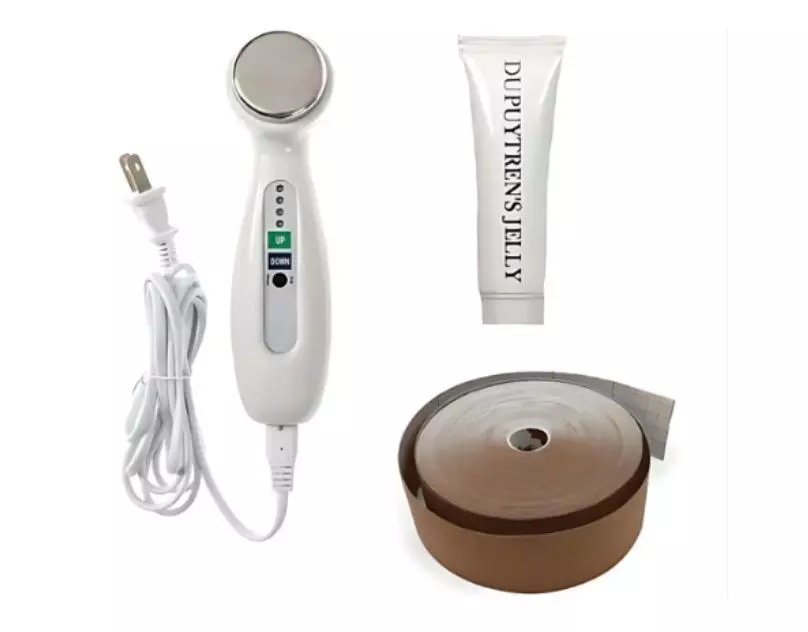
Some people prefer using a hand therapy tool as part of their regular routine. Products such as the Trigger Finger Wand are designed for targeted, at-home hand care and may be considered by people looking for a non-surgical approach to supporting finger mobility.
If you use a hand therapy device, follow the manufacturer's instructions carefully. Avoid applying excessive pressure or attempting to force a finger into a position that feels painful.
Give Your Hand Time to Rest
Repeated gripping and activities that require constant finger bending may aggravate symptoms. If your daily routine involves repetitive hand movements, taking short breaks can give your hand an opportunity to relax.
You can also look at how you hold tools, phones, keyboards, or other objects. Making small changes to reduce unnecessary strain may make everyday hand use more comfortable.
Rest does not necessarily mean completely avoiding movement. Gentle, comfortable movement can still be part of your routine.
When Should You See a Healthcare Professional?
Home care may not be suitable for every case. If your finger frequently locks, becomes increasingly difficult to straighten, or symptoms interfere with normal activities, consider speaking with a qualified healthcare professional.
A professional can assess the affected finger and determine whether additional treatment is appropriate. Depending on the situation, treatment options may include activity modification, splinting, physical or occupational therapy, medication, injections, or a procedure.
Seeking advice is particularly important if symptoms are persistent or getting worse rather than improving.
Creating a Simple Home Routine
A consistent routine can be easier to follow than occasional intensive sessions. You might begin with gentle finger movements, followed by comfortable stretching and a short period of relaxation. If massage or a hand therapy tool is part of your routine, use it gently and according to its instructions.
Pay attention to how your finger responds over time. If an activity consistently increases discomfort, modify or stop it rather than pushing through the symptoms.
Conclusion
The best trigger finger treatment at home depends on the individual and the severity of the condition. For mild stiffness, gentle exercises, comfortable stretching, rest from repetitive activities, and supportive hand care may help maintain finger movement.
At-home care should always be gentle and consistent rather than aggressive. If triggering, locking, or stiffness continues or becomes worse, professional evaluation can help you understand the available treatment options and choose an approach suited to your needs.