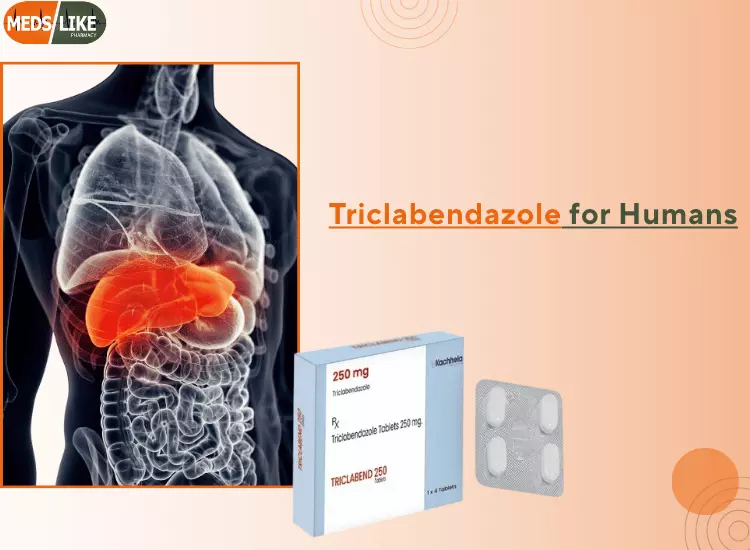
Triclabendazole for Humans: Uses, Dosage & Safety
Triclabendazole is an antiparasitic medicine used primarily to treat certain infections caused by parasitic flatworms.
It is particularly important in the treatment of fascioliasis, an infection caused by liver flukes such as Fasciola hepatica and Fasciola gigantica.
Unlike many commonly used deworming medicines, triclabendazole has specific activity against these parasites and is recognized by the World Health Organization (WHO) as an important treatment for fascioliasis.
People searching for information about Triclabendazole for Humans may find educational resources such as useful for learning about medicines, their purposes, and safety considerations.
However, medication information available online should not replace diagnosis or treatment advice from a qualified healthcare professional.
What Is Triclabendazole?
Triclabendazole is an anthelmintic, meaning it is a medicine designed to treat infections caused by certain parasitic worms. It is especially effective against liver flukes responsible for fascioliasis.
In the United States, triclabendazole is available as EGATEN tablets and is approved for treating fascioliasis in patients aged 6 years and older.
Fascioliasis can develop when people consume contaminated water or uncooked aquatic plants containing the infective stages of the parasite.
Once inside the body, the parasites can migrate through the liver and eventually reach the bile ducts. Infection may cause abdominal discomfort, fever, digestive symptoms, or other complications.
What Is Triclabendazole Used For?
The primary human use of triclabendazole is the treatment of fascioliasis. WHO identifies triclabendazole as the recommended treatment for this infection.
It can act against different stages of the liver fluke, making it particularly valuable for treating human fascioliasis.
Triclabendazole may also be used for paragonimiasis, another parasitic infection caused by lung flukes, in appropriate clinical circumstances.
WHO guidance recognizes triclabendazole as a treatment option for paragonimiasis as well.
The medicine should not be considered a general-purpose dewormer for every type of intestinal parasite. Different parasites require different medicines, so accurate diagnosis is important before treatment.
How Does Triclabendazole Work?
Triclabendazole works against susceptible parasitic flukes by interfering with their cellular structures and essential biological processes. This activity affects the parasite and helps eliminate it from the body.
Because different parasitic infections respond differently to medications, triclabendazole should be used for an infection for which it is medically appropriate.
Taking an antiparasitic medicine without knowing the cause of symptoms may delay proper diagnosis and treatment.
Read: Top 10 Best Corporate Healthcare Service Providers in India
Triclabendazole Dosage for Humans
The appropriate dose depends on the infection being treated, the patient's body weight, age, medical condition, and the treatment regimen recommended by a healthcare professional.
For example, the current U.S. prescribing information for EGATEN recommends two 10 mg/kg doses given 12 hours apart for patients aged 6 years and older being treated for fascioliasis. The tablets are taken orally with food.
WHO guidance can use different regimens depending on the disease and treatment setting.
For fascioliasis, WHO describes triclabendazole at 10 mg/kg as a single administration, with a 20 mg/kg regimen divided into two doses 12–24 hours apart when treatment failure occurs.
These differences highlight why people should not calculate or change their own dose based on information found online. The correct regimen should be determined according to the specific infection, current local guidance, and the product being prescribed.
How Should Triclabendazole Be Taken?
Triclabendazole should be taken exactly as directed by a healthcare professional. The U.S. product information recommends taking EGATEN with food.
Tablets may be swallowed whole, divided in half, or crushed and administered with applesauce according to the prescribing information.
Patients should complete the prescribed treatment rather than taking additional doses because symptoms continue.
If symptoms do not improve or return after treatment, medical evaluation may be necessary to determine whether the infection remains present or whether another condition is responsible.
Common Side Effects
Like other medicines, triclabendazole for humans can cause side effects.
The current prescribing information lists abdominal pain, nausea, diarrhea, vomiting, headache, itching, rash or hives, decreased appetite, sweating, and musculoskeletal chest pain among reported adverse reactions.
Some symptoms may also occur because parasites are dying or being cleared from the body. However, severe, persistent, or unusual symptoms should be reported to a healthcare professional.
People who experience signs of a serious allergic reaction, severe weakness, fainting, or other concerning symptoms should seek prompt medical attention.
Important Safety Information
Triclabendazole is not appropriate for everyone. It should not be used by people with a known hypersensitivity to triclabendazole, other benzimidazole medicines, or certain ingredients in the product.
The current U.S. label also includes a warning about QT interval prolongation, a heart rhythm issue.
Medical supervision may be particularly important for people with a history of QT prolongation, electrolyte abnormalities, certain liver problems, or those taking medicines that can affect the QT interval.
Patients should tell their healthcare provider about all prescription medicines, over-the-counter products, and supplements they use before starting treatment.
Triclabendazole and Pregnancy
Pregnant or breastfeeding individuals should discuss triclabendazole treatment with a healthcare professional before taking it.
The decision to use an antiparasitic medicine during pregnancy depends on the severity of the infection, potential benefits, and possible risks.
Do not start, stop, or change antiparasitic treatment during pregnancy without appropriate medical advice.
Preventing Parasitic Infections
Treatment is important, but prevention can help reduce the risk of reinfection. Fascioliasis is associated with contaminated water and aquatic vegetables.
WHO recommends measures such as improved food hygiene, sanitation, safe water practices, and appropriate veterinary and public-health interventions.
People living in or traveling to areas where liver fluke infections occur should follow local food and water safety recommendations.
Final Thoughts
Triclabendazole is an important antiparasitic medicine for humans, particularly for treating fascioliasis. It is also recognized by WHO as a treatment option for paragonimiasis. T
he medicine has specific uses and should not be treated as a general remedy for every type of worm infection.
can provide general educational information about triclabendazole and other health topics, but patients should rely on qualified healthcare professionals for diagnosis, dosing decisions, and individualized treatment advice.
If you suspect a parasitic infection, professional evaluation can help identify the specific parasite and determine whether triclabendazole or another treatment is appropriate.
Using the correct medicine at the correct dose is an important part of safe and effective treatment.