Travel Tips for First-Time Visitors Using a Kenya eTA
Visiting Kenya for the first time is an adventure filled with excitement, stunning landscapes, vibrant culture, and unforgettable wildlife experiences. One of the easiest ways to enter Kenya is by using an electronic travel authorization, commonly known as an Kenya eTA Process. This digital permit simplifies your travel process, removing the need for lengthy paperwork and allowing you to focus on planning your itinerary and enjoying your journey.
While the eTA system is convenient, first-time visitors often have questions about how to use it effectively and maximize their experience in Kenya. From understanding the application process to preparing for your first safari, this guide provides essential travel tips to help you navigate the country with ease, comfort, and confidence.
Kenya offers extraordinary diversity. Whether you are drawn to the vast savannahs of the Maasai Mara, the pristine beaches of Diani and Mombasa, or the bustling streets of Nairobi, there is something for every traveler. The eTA ensures that your entry is smooth, but it’s important to be prepared with the right documentation, travel plans, and knowledge of local customs.
Beyond the eTA itself, being a responsible and informed visitor can significantly enhance your experience, allowing you to immerse yourself fully in Kenya’s unique culture, cuisine, and wildlife. With careful planning and practical tips, your first trip to Kenya can be smooth, memorable, and worry-free.
1. Understanding the Kenya eTA
The eTA is a digital travel authorization that allows visitors to enter Kenya without physical paperwork.
Tips for first-time travelers:
- Ensure your passport is valid for at least six months beyond your entry date.
- Provide accurate personal information during application to avoid delays.
- Double-check all details to prevent mistakes like misspelled names or incorrect passport numbers.
- Benefit: Reduces stress compared to traditional visa applications and ensures your documentation is in order before arrival.
2. Apply Well in Advance
Even though the eTA process is relatively quick, applying ahead of time is essential.
Recommendations:
- Submit your application at least 2–4 weeks before departure.
- Allow time to resolve technical glitches or payment issues.
- Early application frees you to plan your itinerary, book accommodations, and arrange safari tours without stress.
3. Keep Copies of Your eTA Confirmation
After approval, it’s important to have multiple copies of your confirmation.
Practical tips:
- Keep a printed copy in your carry-on.
- Save a digital copy on your phone.
- Carry confirmation alongside your passport for smooth airport entry.
4. Check Health and Vaccination Requirements
Kenya’s diverse ecosystems pose unique health risks.
Health tips:
- Get recommended vaccinations, such as yellow fever.
- Carry proof of immunization if required.
- Consider malaria prophylaxis depending on the areas you plan to visit.
- Bring a small first-aid kit, insect repellent, and water purification options.
5. Plan Your Transportation Ahead
Kenya offers several transportation options, which can be confusing for first-timers.
Tips for smooth travel:
- Book domestic flights or private transfers in advance.
- Understand local traffic patterns and road conditions.
- Hire experienced drivers or guides for rural or safari regions.
- Plan extra travel time for popular destinations like Maasai Mara, Amboseli, or Tsavo.
6. Understand Local Currency and Payment Options
Kenya primarily uses the Kenyan Shilling (KES).
Financial tips:
- Familiarize yourself with denominations and exchange rates.
- Carry a mix of cash and digital payment options like mobile money.
- Cash is preferred in rural areas, markets, and small lodges.
- Avoid exchanging currency in unverified locations.
7. Learn Basic Local Etiquette
Kenya is culturally diverse, with over 40 ethnic groups.
Etiquette tips:
- Learn basic greetings: “Jambo” (hello) and “Asante” (thank you).
- Dress modestly in rural areas.
- Ask for permission before photographing people.
- Respect local customs to enrich your experience and foster goodwill.
8. Pack Smart and Travel Light
Packing appropriately is key to comfort.
Packing tips:
- Lightweight clothing for coastal regions, layers for cooler highlands.
- Comfortable walking shoes, hats, sun protection, and reusable water bottles.
- Neutral-colored clothing for safari trips to avoid disturbing wildlife.
- Efficient packing makes traveling between destinations easier.
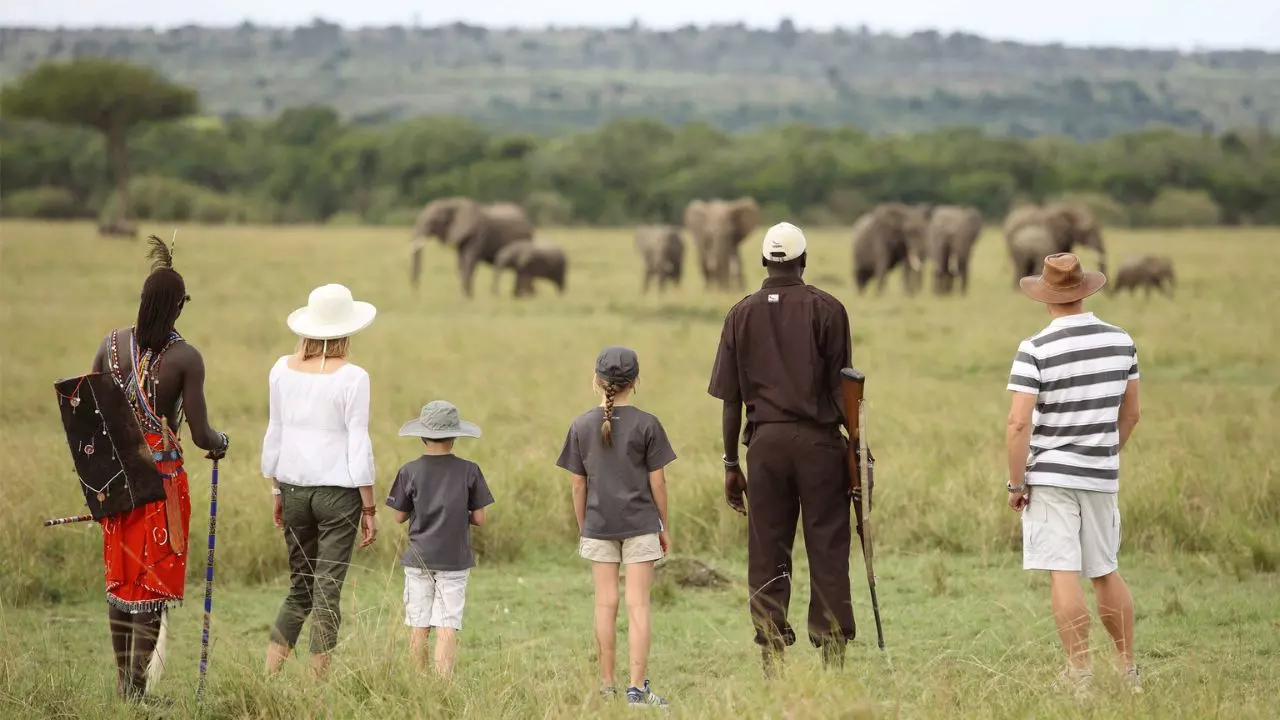
9. Plan Your Safari Experience
A safari is often the highlight of a Kenya trip.
Safari tips:
- Research different parks and reserves.
- Maasai Mara: Great Migration.
- Amboseli: Stunning views of Mount Kilimanjaro.
- Tsavo: Less crowded, off-the-beaten-path experience.
- Book tours and guides in advance.
- Prepare for early mornings, long drives, and variable weather.
10. Stay Connected Safely
Connectivity varies across Kenya.
Tips:
- Purchase a local SIM card or reliable data plan.
- Use maps and confirm reservations while traveling.
- Be cautious with public Wi-Fi and sensitive information.
11. Be Environmentally and Socially Responsible
Kenya’s wildlife and landscapes are precious.
Tips for responsible travel:
- Minimize plastic waste.
- Respect wildlife; do not feed animals.
- Stick to designated paths in parks.
- Support eco-friendly accommodations.
- Respect local traditions and sacred sites.
12. Stay Flexible and Embrace the Adventure
Travel often brings surprises.
Tips for flexibility:
- Expect road delays, weather changes, or itinerary adjustments.
- Embrace unplanned experiences—they can become the most memorable moments.
- Keep a positive attitude and be open to local experiences.
Conclusion
Travel Tips for First-Time Visitors Using a Kenya eTA offers convenience and peace of mind, allowing you to focus on exploring this remarkable country. By preparing carefully, staying informed, and embracing both planned and spontaneous experiences, first-time visitors can fully enjoy Kenya’s breathtaking landscapes, vibrant culture, and extraordinary wildlife. Following these tips ensures your adventure will be memorable, seamless, safe, and deeply enriching.