Transform Your Home with Interior Painting in Schaumburg, IL
A fresh coat of paint can change how a home looks and feels. It can make a dark room appear brighter, give an older space a cleaner appearance, and help different areas of the house feel more connected. Painting is also a practical way to update your home without making major structural changes.
However, getting good results takes more than choosing an attractive color. Wall condition, lighting, paint quality, and surface preparation all affect the final finish. Understanding these details helps homeowners make better decisions before starting a painting project.
Why Interior Painting Makes a Difference
Paint influences the appearance of almost every room. Light colors can make smaller spaces feel more open, while deeper shades can add warmth and character to larger rooms. Even a simple change in wall color can create a noticeable difference.
Fresh paint can also help cover minor surface marks and uneven color. When walls begin to look dull, stained, or outdated, repainting can restore a cleaner appearance and make the room feel better maintained.
Choosing Colors for Different Rooms
Each room serves a different purpose, so the right color depends on how the space is used.
- Living rooms: Neutral shades, soft whites, and warm beiges create a welcoming atmosphere.
- Bedrooms: Muted blues, gentle greens, and earthy tones can create a calm setting.
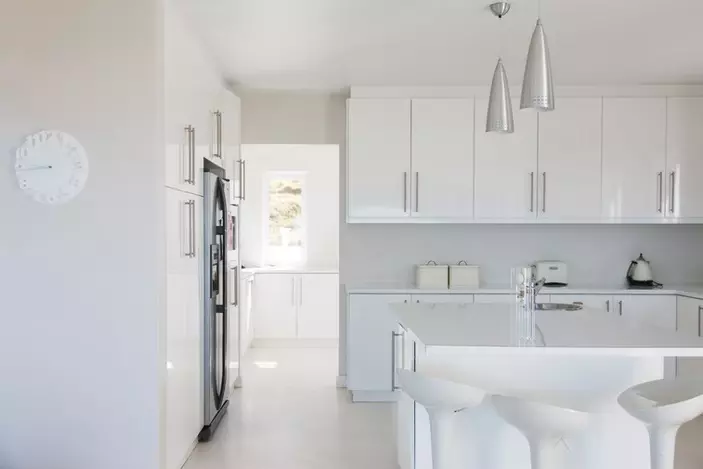
- Kitchens: Warm whites and light grays work well with many cabinet and countertop styles.
- Home offices: Balanced neutrals can provide a comfortable background for working.
Before choosing a color, test a few samples on the wall. Natural daylight and indoor lighting can make the same shade look different throughout the day.
Preparing Walls Before Painting
Proper preparation is one of the most important parts of a successful painting project. Applying paint over dust, grease, peeling areas, or damaged drywall can lead to an uneven finish.
Start by removing dust and cleaning areas that have visible marks. Fill small holes, repair minor cracks, and sand rough patches where needed. Surfaces should be dry and clean before paint is applied.
Primer may also be necessary, particularly when covering dark colors, painting repaired surfaces, or dealing with stains. Using the correct primer helps create a consistent base and supports better paint coverage.
For homeowners researching interior painting in Schaumburg, IL, preparation is worth considering alongside color selection and paint quality. A well-prepared surface often makes the difference between a finish that looks professional and one that requires frequent touch-ups.
Selecting the Right Paint and Finish
Paint finishes affect both appearance and maintenance. The best option depends on the room, the amount of activity it receives, and how often its walls need cleaning.
Which Paint Finish Works Best?
- Matte: Helps reduce the appearance of small wall imperfections and suits many low-traffic areas.
- Eggshell: Offers a subtle sheen and works well in living rooms and bedrooms.
- Satin: Provides a more washable surface for busy areas and some kitchens.
- Semi-gloss: Often suits trim, doors, and other surfaces that need regular cleaning.
Paint quality matters as well. Higher-quality products may provide better coverage, smoother application, and improved durability. Always check the manufacturer's instructions for the recommended surface preparation, application method, and drying time.
Read: 7 Durable Countertops That Add Luxury to Your Space
When Should You Hire a Professional Painter?
Small projects may be manageable for homeowners who have the right tools and enough time. However, larger rooms, high ceilings, extensive wall repairs, and detailed trim work can make the process more demanding.
Professional painters can help with surface preparation, color application, edge work, and cleanup. They can also identify problems that may need attention before painting begins.
infodetailpainting is a painting service provider homeowners can explore when planning an interior update.
Reviewing the company's website can help you learn more about its services and determine whether they fit your project. Before hiring, discuss your expectations, project timeline, preparation needs, and written estimate.
How to Plan Your Interior Painting Project
A little planning can help keep a painting project organized and reduce unexpected delays.
Start by identifying the rooms that need attention and deciding whether you want a complete color change or a simple refresh. Measure the wall areas to estimate how much paint may be required, allowing for additional coats where necessary.
Next, set a realistic budget that includes paint, supplies, repairs, and labor if you are hiring a contractor. Ask for a clear breakdown of the expected costs and confirm which tasks are included.
Finally, move furniture away from the walls, protect floors, and arrange proper ventilation during painting. Allow sufficient drying time before replacing furniture or using the room normally.
Conclusion
Interior painting is a practical way to improve your home's appearance, refresh outdated rooms, and create a more comfortable living environment. Choosing suitable colors, preparing surfaces carefully, and selecting the right paint finish can help produce results that last.
Whether you plan to paint one bedroom or update your entire home, taking time to compare options and plan the work can make the process smoother.
For homeowners in Schaumburg, Illinois, a thoughtful approach to interior painting can help create spaces that feel clean, welcoming, and suited to everyday life.
Frequently Asked Questions
1. How often should interior walls be repainted?
It depends on the room's use, paint quality, and wall condition. Busy hallways and kitchens may need repainting sooner than guest bedrooms. Visible stains, peeling paint, and fading are common signs that walls need attention.
2. How long does an interior painting project take?
A single room may take one to several days, depending on its size, repairs, preparation, and drying time. Larger homes usually require more time, especially when multiple coats or detailed trim work are involved.
3. How can I choose the best interior paint color?
Consider your furniture, flooring, natural light, and the room's purpose. Test sample colors directly on the walls and observe them at different times of day before making a final decision.