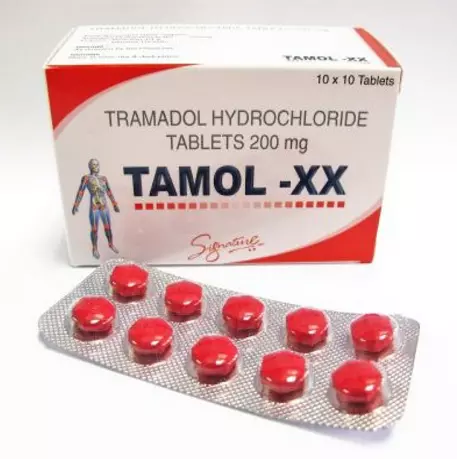
Tramadol Reviews for Severe Pain Effectiveness Safety & Precautions
Tramadol reviews for serious pain, like moderate to pretty intense discomfort, are something a lot of people look up before they even consider taking it.
Tramadol is a prescription pain-relief medication, usually used when other treatments don’t do much, or when they stop working the way you hoped. Honestly, patients tend to want to know how well it really works, how safe it seems for everyday use, and what others say in real life—not just what the label claims.
What Is Tramadol and How Does It Work?
Tramadol is a centrally acting pain reliever, it kind of works by changing the way the brain and nervous system respond to pain signals, so the pain feels less noticeable. It interacts with specific neurotransmitters, like serotonin and norepinephrine, and that shift can help reduce pain perception over all, not just one small part.
In practice, Doctors often give tramadol for post surgical pain, injury related discomfort, chronic back pain, severe arthritis pain, and sometimes nerve related pain too. Since it has opioid-like properties (even if it is not the same as classic opioids), it is usually considered when milder pain relievers do not do enough.
Tramadol for Severe Pain: Effectiveness Review
Tramadol for severer pain, kinda helps in a mixed but decent way, from what patients and clinicians say. In general it seems moderately effective when the pain is really intense, but it’s not a magic fix.
People often mention stuff like a clear drop in pain intensity, being more able to do daily tasks without too much trouble, and even sleeping better because the discomfort calms down. In post-injury situations some also feel they bounce back quicker, or at least move forward faster than expected.
Still, how well it works can change a lot. It may depend on someone’s personal pain tolerance, the dose that was prescribed, how long it’s used, and the actual medical condition underneath the pain. A few patients describe that tramadol gives strong short term relief, but then it becomes less reliable when it goes on for a long time.
Safety of Tramadol: What You should Know
Tramadol is usually safe when it is taken exactly as prescribed by a healthcare professional, but it really is not totally harmless. You can feel fine most of the time, and still there can be problems.
Common side effects may include:
Some common side effects can include, dizziness or drowsiness, nausea or vomiting, constipation, headache, and fatigue. It can also feel like you are slowed down a bit, kind of heavy headed.
There are also more serious risks, though they happen less often. Things like dependence or a habit forming pattern, breathing difficulties especially if someone misuses it, and seizures in higher doses or for people who are more sensitive. It can also clash with certain antidepressants, or even alcohol.
So, because of all that , tramadol should always be used with medical supervision, and not just on your own or by copying someone else’s routine.
Read: Buy Tramadol Online: A Better Way to Approach Pain Concerns
Important Precautions Before Using Tramadol
Before you start with tramadol, patients should really think about a few precautions first, because it s not just “take and go” right. If you’re considering it, keep these points in mind
Try not to mix tramadol with alcohol or sedatives .
Also let your doctor know about all the medicines you are taking, even the ones that seem minor or occasional. If you feel drowsy, avoid driving or handling heavy machinery, because that can become risky fast.
And please dont increase the dose without medical advice, even if the pain feels stubborn. People with seizure disorders, or anyone with liver or kidney problems should get extra attention, it s safer that way.
Also , proper monitoring is essential, so the use stays safe over time.
Step-by-Step Guidance for Safe Use
If you’ve been prescribed tramadol, here is a more relaxed step guide you can follow, just don’t skip the basics, ok
Step 1: Medical consultation
Start with a doctor’s evaluation first, to confirm whether tramadol fits your pain condition . This helps a lot with suitability.
Step 2: Stick to the prescribed dosage
Take only the exact amount your prescription says, no more no less. Never self-adjust, even by a little.
Step 3: Watch for side effects
Pay attention to how your body reacts during the first few days. If something feels unusual, take note.
Step 4: Avoid self-medication
Do not combine tramadol with other painkillers or sedatives, unless your healthcare provider approves it.
Step 5: Keep regular follow-ups
Let your healthcare provider know about progress, and also mention any side effects you notice .
Online searching and safety awareness
A lot of people do search phrases like buy tramadol online or order tramadol online because it feels convenient, quick and all. But you really have to remember that tramadol is a prescription medicine, not something casual.
In general it should only be taken from
- Licensed pharmacies, and only
- A real, valid medical prescription
- Doctors or other verified healthcare providers
Try to steer clear of unverified sources or sketchy sites because they can end up selling fake items or unsafe products. That can lead to serious health risks, even when the listing looks normal.
Final Verdict:
Tramadol can work pretty well for managing severe pain, if it’s used the right way and monitored by a clinician. A lot of people do get meaningful relief , though it also comes with certain risks that really can’t be brushed off like it’s nothing.
Key takeaways:
- Helps with moderate to severe discomfort
- Needs to be taken with strict medical guidance
- Not a good idea for self medication, at all
- Calls for careful monitoring of side effects and possible dependence
So if you’re thinking about tramadol, the safest route is to talk with a healthcare professional first , so they can tailor the plan to your situation and medical history, not just generic advice.