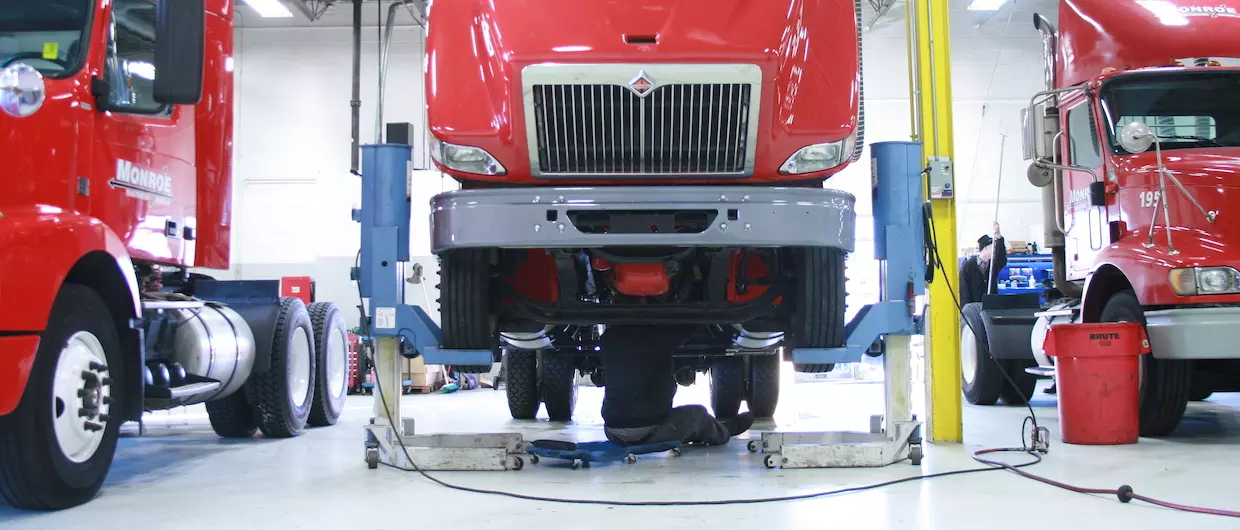
Trailer Service and Repair: Keeping Your Trailer in Top Condition
When it comes to transporting goods, equipment, or vehicles, a well-maintained trailer is essential for safety and efficiency. Trailer service and repair play a crucial role in ensuring that your trailer operates smoothly and reliably. In this article, we will discuss the importance of trailer service and repair, common issues that arise, and tips for selecting the right service provider.
Why Trailer Service and Repair is Essential
1. Safety on the Road
Safety should always be the top priority for anyone who operates a trailer. Regular service and timely repairs help prevent accidents caused by equipment failures. Issues like faulty brakes, worn tires, and compromised lighting can lead to dangerous situations on the road. Routine maintenance ensures that your trailer is safe for use, protecting both the driver and other road users.
2. Minimizing Downtime
In business, time is money. Delays caused by trailer breakdowns can result in missed deliveries and dissatisfied customers. Quick access to trailer service and repair minimizes downtime, allowing you to get back on the road swiftly and maintain productivity.
3. Extending Trailer Lifespan
Regular maintenance and prompt repairs can significantly extend the lifespan of your trailer. Addressing minor issues before they escalate into major problems helps preserve the integrity of the trailer, maximizing your investment.
4. Compliance with Regulations
Trailers must adhere to specific safety and regulatory standards. Regular service ensures compliance with local and federal regulations, helping you avoid fines and legal complications while ensuring your trailer operates within safety guidelines.
Common Issues Requiring Trailer Service and Repair
Understanding the typical problems that can arise with trailers can help you stay proactive about maintenance. Here are some common issues to watch for:
1. Brake Problems
Brakes are among the most critical components of any trailer. Common issues include worn brake pads, faulty brake lines, and malfunctioning brake controllers. Regular inspections and prompt repairs are essential for safe operation.
2. Tire Wear and Damage
Tires are crucial for safe towing. Look for signs of uneven wear, low tread depth, or visible damage. Regular tire rotations and pressure checks can help extend tire life and improve fuel efficiency.
3. Electrical System Failures
Trailers rely on electrical systems for lights, brakes, and other functions. Common electrical issues include faulty wiring, blown fuses, and malfunctioning lights. Regular checks can help identify and rectify these issues before they become dangerous.
4. Frame and Structural Damage
Trailers can suffer from frame and structural issues due to wear and tear or accidents. Regular inspections can help identify cracks, rust, or other damage that may compromise the integrity of the trailer.
5. Hitch and Coupling Problems
Hitch and coupling mechanisms must be in good working order for safe towing. Issues can include worn couplings, loose bolts, or rusted components. Regular checks can prevent dangerous situations on the road.
Best Practices for Trailer Maintenance
To keep your trailer in optimal condition, consider the following best practices:
1. Regular Inspections
Implement a routine inspection schedule. Regularly check brakes, tires, lights, and other critical components to ensure everything is functioning properly. This proactive approach can help catch issues early.
2. Keep Accurate Records
Maintain detailed records of all service and repairs performed on your trailer. This documentation can help track maintenance schedules and provide valuable information during inspections.
3. Use Quality Parts
When repairs are necessary, always opt for high-quality replacement parts. While cheaper options may save money initially, they often lead to further issues down the line.
4. Follow Manufacturer Recommendations
Consult your trailer’s owner manual for specific maintenance schedules and requirements. Following the manufacturer’s recommendations ensures that you’re taking the right steps to maintain your trailer’s integrity.
5. Monitor Driving Conditions
Be aware of the conditions in which you’re towing. Rough terrains, heavy loads, and extreme weather can all impact the wear and tear on your trailer. Adjust your maintenance schedule accordingly.
Choosing the Right Trailer Service and Repair Provider
Selecting the right service provider for your trailer is crucial. Here are some tips to help you make an informed decision:
1. Experience and Expertise
Look for a repair shop with extensive experience in trailer service and repair. Experienced technicians will have a better understanding of the specific needs of different types of trailers.
2. Comprehensive Services
Choose a provider that offers a wide range of services, from routine maintenance to complex repairs. This ensures that all your trailer needs can be met in one location.
3. Read Customer Reviews
Research customer feedback and testimonials to assess a company’s reputation. A reputable service provider will have positive reviews, indicating reliability and quality service.
4. Check Response Times
In emergencies, quick response times are critical. Look for providers that guarantee fast assistance, ideally within 30 minutes to an hour.
5. Transparency in Pricing
Choose a service that provides clear and upfront pricing, avoiding hidden fees. This helps you budget effectively and ensures there are no surprises when you need assistance.
Conclusion
Regular trailer service and repair is essential for ensuring the safety, efficiency, and longevity of your equipment. By understanding common issues, implementing best practices for maintenance, and selecting the right service provider, you can keep your trailer in optimal condition. Investing in routine maintenance not only prevents costly repairs but also enhances safety on the road. Don't wait for problems to arise—schedule a service today to ensure your trailer is always ready for the journey ahead.