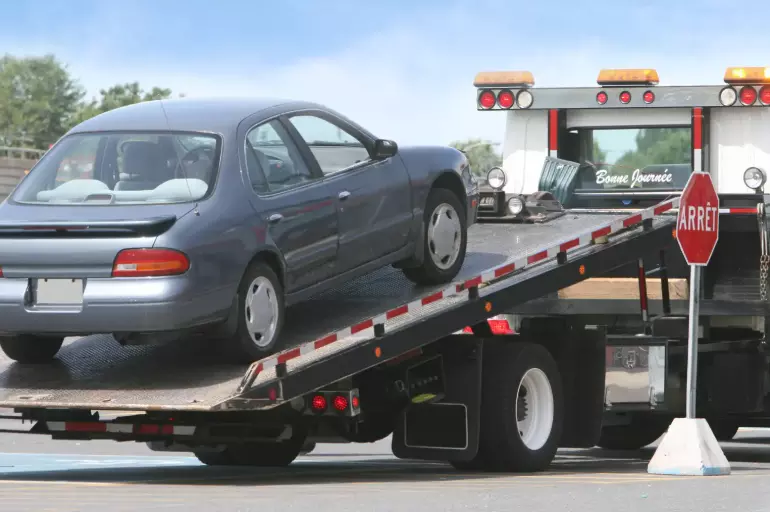
Towing on the Motorway: Speed Limits, Safety Tips, and Legal Guidelines
0If you're planning on towing a trailer or caravan for a weekend trip or a cross-country move, it's important to understand the rules and best practices for towing on the motorway. Whether you're an experienced driver or a first-timer, towing changes how your vehicle handles and responds, especially at high speeds.
This guide will walk you through the essentials: speed limits, safety tips, and legal guidelines to help you stay safe—and legal—while towing. Plus, we’ll answer some common questions to clear up any confusion.
Understanding the Basics: What Does Towing Involve?
Towing means pulling a trailer, caravan, or another vehicle using your car or truck. On the motorway, towing becomes more challenging due to higher speeds, increased traffic, and longer braking distances. Even if your car can tow a trailer, that doesn’t mean you’re automatically ready for the motorway.
Why Is Motorway Towing Different?
When you're car towing a trailer on a motorway, you’re dealing with:
- Faster traffic
- Longer stopping distances
- More intense wind resistance
- Less room for error
That’s why understanding the rules and following best practices is so important.
Speed Limits for Towing on the Motorway
One of the most common questions drivers have is, “How fast can I go when towing a trailer on the motorway?” Here’s the answer:
National Speed Limits for Towing
In most states, the maximum speed limit for a car towing a trailer on a motorway is 55 mph to 65 mph, depending on your location. For example:
- California: 55 mph
- Texas: 60–65 mph
- Florida: 65 mph (unless posted otherwise)
- New York: 55 mph for vehicles towing trailers
These limits are lower than regular car speed limits because towing increases the risk of jackknifing, trailer sway, and longer braking times.
Always check your local state laws because speed limits vary.
Legal Guidelines You Need to Follow
Before you hook up a trailer and head for the highway, make sure you're complying with all legal requirements. Here are the basics:
1. Vehicle & Trailer Compatibility
Your vehicle must be rated for towing the weight of your trailer. Check your owner’s manual to find:
- Maximum towing capacity
- Tongue weight limit
- Gross trailer weight (GTW)
2. Trailer Lights & Signals
All trailers must have:
- Brake lights
- Turn signals
- Reflectors
- A license plate (with light)
These lights should be wired correctly to your vehicle. Double-check they’re working before every trip.
3. Safety Chains Are a Must
Using safety chains is a legal requirement in most states. They act as a backup in case the hitch fails. Cross them under the hitch to prevent the trailer tongue from hitting the road.
4. Braking System
If your trailer weighs more than 3,000 pounds, many states require it to have its own braking system. Surge brakes or electric brakes are commonly used.
5. Mirrors and Visibility
Your rear-view mirrors should give you a clear view of the road behind the trailer. If they don’t, you’ll need to install towing mirrors.
6. Load Distribution
Load your trailer evenly and ensure about 60% of the weight is in the front half. This helps maintain stability and reduce sway.
Safety Tips for Towing on the Motorway
Legal requirements are only part of the equation. Smart driving habits will keep you, your passengers, and other road users safe. Here are some practical tips:
1. Drive Slower Than You Think You Need To
Even if the speed limit is 65 mph, that doesn’t mean you should drive that fast. Stay in the right lane and aim for a safe, comfortable speed. This gives you more time to react and helps prevent trailer sway.
2. Increase Your Following Distance
Leave at least 5–7 seconds of space between you and the vehicle in front. You need more room to stop when towing.
3. Avoid Sudden Movements
Avoid sharp lane changes or sudden braking. Make all movements smooth and deliberate.
4. Watch the Weather
Strong winds and heavy rain can make towing dangerous. If conditions look rough, consider waiting it out or taking an alternate route.
5. Practice Makes Perfect
If you're new to towing, practice driving with the trailer in a parking lot or on quiet roads before hitting the motorway.
When You Shouldn’t Tow on the Motorway
There are situations where towing on the motorway isn’t just risky—it could be illegal or dangerous:
- If your trailer doesn’t have functioning lights
- If your load isn’t properly secured
- During high wind warnings
- If your vehicle is overloaded
When in doubt, don't tow. A few hours of delay are better than risking an accident.
Common Mistakes to Avoid While Towing
Even experienced drivers can make errors while towing. Here are the big ones to avoid:
1. Overloading Your Trailer
Just because your trailer fits more gear doesn't mean you should fill it. Always stay within the weight limits for both your car and trailer.
2. Not Checking Tire Pressure
Low tire pressure can lead to blowouts, especially on the trailer. Check both vehicle and trailer tires before your journey.
3. Ignoring Wind Resistance
A high-profile trailer catches more wind. This can reduce fuel efficiency and cause sway. Reduce speed to compensate, and drive cautiously in crosswinds.
4. Using Cruise Control
Cruise control may not be safe while towing, especially on hills. You need manual control over acceleration and braking.
5. Forgetting the Height of Your Trailer
Be mindful of bridge clearances and overhead obstacles. Know your total vehicle height before entering tight spaces.
Can You Use the Left Lane While Towing?
In many states, vehicles towing trailers are restricted to the right lane or right two lanes on highways with three or more lanes.
For example:
- California: Right lane only, or the lane immediately to the left of the right lane.
- Texas: Must use right lane unless overtaking.
- Florida: Right lanes only unless turning left or passing.
Violating these rules can lead to hefty fines.
What to Do in an Emergency
If your trailer starts to sway or jackknife:
- Stay calm
- Don’t slam the brakes
- Take your foot off the gas
- Hold the steering wheel steady
- Gradually slow down and pull off the road
If you have a flat tire or mechanical issue, pull over as far from traffic as possible, turn on your hazard lights, and set out emergency triangles or flares.
Frequently Asked Questions (FAQs)
1. Is it legal to drive a car towing a trailer on a motorway?
Yes, it's legal as long as your vehicle and trailer meet all safety and legal requirements. These include proper lights, brakes, safety chains, and registration. Make sure to follow state-specific speed limits and lane restrictions.
2. Do I need a special license to tow a trailer on the motorway?
In most cases, a regular driver’s license is enough to tow a small trailer. However, if you're towing a large trailer or heavy load, some states may require a special endorsement or commercial license. Check with your local DMV.
3. How can I reduce trailer sway on the motorway?
To reduce sway:
- Load the trailer properly (60% of weight in the front)
- Drive slowly, especially in windy conditions
- Use a weight distribution hitch or sway control device
- Avoid sudden movements or sharp turns
Final Thoughts: Stay Safe and Stay Smart
Towing on the motorway is all about preparation, awareness, and common sense. Whether it’s your first time or your fiftieth, take the time to:
- Check your equipment
- Know your speed limits
- Follow towing laws in your state
- Drive defensively
By following these tips, you’ll help ensure that your journey with a car towing a trailer on a motorway is smooth, safe, and stress-free.
Safe travels!